

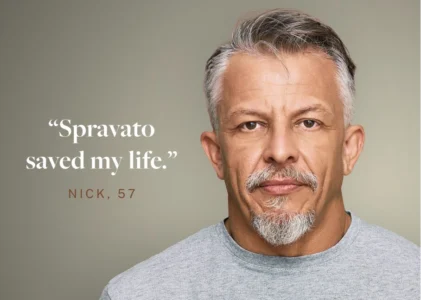
For patients in Tennessee struggling with depression that hasn’t improved with standard treatments, Spravato® (esketamine) offers new hope. Spravato is a cutting-edge nasal spray treatment for adults with treatment-resistant depression (TRD) – depression that hasn’t responded to at least two other antidepressants. It’s also approved for major depression with acute suicidal ideation, providing rapid symptom reduction. Spravato was approved by the FDA in 2019, marking the first major antidepressant breakthrough in decades. This innovative therapy has been called a “game-changer,” helping many people finally find relief when other treatments haven’t worked. Athena Care is proud to be an authorized Spravato treatment center in Tennessee, bringing this hopeful advancement to our communities.
What Exactly Is Spravato (Esketamine)?
Spravato is the brand name for esketamine, a chemical cousin of the anesthetic ketamine. Ketamine itself has been used (in controlled medical settings) for years to help depression, but esketamine is a more targeted form of the molecule. Spravato comes as a nasal spray and is only available in certified medical clinics – you cannot take it home or get it at a regular pharmacy. It’s often used alongside a traditional oral antidepressant, but it can also be used as a standalone cure. By combining Spravato with an oral antidepressant, studies found about 70% of patients experienced significant improvement in symptoms, a considerably higher response rate than with antidepressants alone. In other words, Spravato offers a new lifeline to those who hadn’t responded to other medications. Importantly, it can work much faster than typical antidepressants – some patients feel noticeable relief within 24 hours of a dose. (Conventional antidepressants often take 4–6 weeks to kick in.) This rapid effect can be crucial for individuals in crisis and represents a major advancement in depression care.
How Does Spravato Work in the Brain?
Spravato’s mechanism is unique. Most antidepressants (like SSRIs) work by boosting serotonin or other neurotransmitters, but esketamine targets the brain’s glutamate system. Specifically, it acts on the NMDA receptors, which leads to a surge of glutamate – a neurotransmitter involved in learning and neural plasticity. This cascade is thought to help repair and form new neural connections in areas of the brain linked to mood and emotions. In simpler terms, Spravato may help “rewire” circuits in the brain that have become stuck in patterns of depression. Researchers have observed that esketamine triggers the growth of new synapses (connections between brain cells), which can restore communication in mood-regulating regions. This is why the benefits of Spravato can persist even after the drug’s immediate effects wear off – it’s not just the medicine’s presence in your body, but the lasting changes it sparks in the brain. This novel way of working is what makes Spravato so fast-acting and effective for many patients who haven’t had success with other treatments.
Spravato Treatment Process: What to Expect
Spravato treatment is always done in-office under medical supervision. Because esketamine can have mind-altering effects, there are strict safety protocols (part of the REMS program) requiring that you take it at a certified clinic and not at home. Athena Care is one such certified provider in Tennessee. Here’s what a typical Spravato session looks like:
- Check-In: A healthcare provider will review your current condition and vital signs and confirm you’re set for your Spravato dose that day. They’ll also ensure you haven’t eaten in the last 2 hours (to reduce nausea during treatment).
- Nasal Spray Administration: You’ll self-administer the Spravato nasal spray under guidance. The medication comes in single-use devices – each device delivers 28 mg of esketamine. Depending on your prescribed dose (usually 56 mg or 84 mg per session), you will use two or three spray devices, with a short rest between each. You spray it into each nostril and follow any instructions (like tilting your head back).
- Observation Period (2 Hours): After the dose, you’ll relax in the clinic for about two hours. During this time, the medical staff monitors you for any side effects or changes in blood pressure. You may sit or lie down in a comfortable setting – many people feel drowsy or groggy, so this is quiet recovery time. Monitoring for 2 hours is required to ensure any immediate side effects wear off and that you’re safe to leave.
- Post-Treatment and Going Home: Once the observation period is over, the doctor checks that you’re alert and stable. Because Spravato can cause temporary dizziness or sedation, you cannot drive yourself home that day. You’ll need a friend or family member to drive you, and you should take it easy for the rest of the day (avoid operating machinery, etc., until the next morning).
Spravato isn’t a one-time treatment – it’s given as a series of sessions following a structured schedule. In the initial induction phase (Weeks 1–4), patients usually receive Spravato twice per week. This frequent dosing helps jump-start the antidepressant effects. After the first month, you transition to a maintenance phase: for Weeks 5–8, treatments are typically once weekly. Beyond Week 8, ongoing maintenance sessions might be once a week or every two weeks, depending on how you’re responding. Every person’s plan is individualized – some may continue weekly, while others can space out treatments if they’re doing well. Your progress is regularly evaluated by the psychiatrist, and the goal is to find the minimum effective frequency to maintain your improved mood.
Side Effects and Safety of Spravato
Like any medication, Spravato can cause side effects, but they are generally short-lived and managed by the monitoring period. Because esketamine is related to an anesthetic, some of its effects feel unusual. Common side effects include:
- Dizziness or lightheadedness
- Drowsiness or sedation (feeling sleepy or sluggish)
- Dissociation – this means feeling strange or disconnected from reality (some describe it as “dream-like” sensations or out-of-body feeling)
- Nausea (feeling sick to your stomach)
- Temporary increase in blood pressure
These effects typically peak shortly after the nasal spray and then fade within the 2-hour observation period. By the time you are ready to leave the clinic, most patients find that the dizziness or “foggy” feeling has worn off. In clinical studies, serious side effects were rare, and most people tolerate Spravato well with the proper precautions. The medical team will check your blood pressure multiple times because a moderate rise in blood pressure is a known effect, especially in the first hours. You might also experience a mild headache or an upset stomach; clinics often advise not eating right before the session to minimize nausea. Importantly, you are never left alone during treatment – the care team is there to support you and address any discomfort. Because of the monitoring and clinic setting, Spravato is considered very safe, and any side effects that do occur are handled on the spot. After treatment, avoid driving or alcohol until the next day, since you may have some lingering drowsiness or slowed reaction time.

How Effective Is Spravato for Depression?
Spravato has shown impressive results for many patients with hard-to-treat depression. In clinical trials, roughly ~70% of patients saw a positive response (meaning a significant reduction in depression symptoms) when Spravato was combined with an oral antidepressant. This is notably higher than typical response rates for standard antidepressants alone (which tend to be around 40–60% response). Moreover, Spravato works rapidly. Many patients report feeling relief or a lift in mood within the first 24–48 hours after a Spravato session. Some even experience fewer suicidal thoughts just a day or two after starting treatment – a remarkable benefit for those in acute crisis. By contrast, traditional antidepressants can take a month or more to yield noticeable improvement. This quick action of Spravato can be life-saving for those who have severe depression or suicidal ideation, providing a “bridge” to keep them safe and hopeful while longer-term therapies (like oral meds or therapy) take effect.
It’s important to understand that Spravato may be a strand-alone treatment, but often it is part of a broader treatment plan. Spravato is often used in conjunction with ongoing care such as talk therapy and antidepressant medication management. In studies, a significant portion of patients achieved not just response but full remission of depression symptoms after several weeks of Spravato therapy plus standard treatment. Many who respond to Spravato describe it as a “reset” that allowed other aspects of their treatment to finally work. Everyone is different, of course, and not every patient will respond to Spravato. But for about 2 out of 3 people with TRD, Spravato has made a meaningful difference – reducing depression severity, lifting that heavy cloud, and even, in many cases, allowing them to enjoy life again. This level of effectiveness, especially in such a tough population, is why there’s so much excitement around Spravato as an option.
Insurance Coverage and Accessibility
One concern with any new treatment is cost. Spravato sessions involve the medication itself and the supervised clinic time, so without insurance coverage the expenses can add up (the medication plus monitoring sessions can run thousands of dollars over the full course). Fortunately, because Spravato is FDA-approved for treatment-resistant depression, most insurance providers now cover Spravato treatment for eligible patients. If you meet the criteria for TRD (e.g. failed two antidepressants, etc.), your insurance is likely to pay for Spravato, often requiring prior authorization. Spravato is also covered by Medicare and many Medicaid plans under certain guidelines. This coverage has made Spravato accessible to many people who need it, turning what would be an expensive therapy into something affordable aside from standard copays.
At Athena Care, we understand the insurance process can be daunting, but we’re here to help. Athena Care’s multiple mental health clinics in Tennessee are in-network with most major insurance plans. Our care coordinators will work with you to verify your insurance benefits for Spravato and to handle any necessary paperwork or approvals. If you’re not sure whether your insurance will cover Spravato, you can reach out to us for an insurance verification – we’ll clarify what is covered and if there are any out-of-pocket costs. In short, cost should not be a barrier to trying Spravato if it’s medically appropriate for you. There are also patient support programs and Janssen (the manufacturer) offers assistance in some cases to ensure people can access this treatment. We want to make this innovative depression treatment as accessible as possible for Tennesseans who can benefit from it.
Spravato Treatment in Tennessee at Athena Care
Athena Care has taken the steps to become one of the first certified Spravato treatment centers in the Nashville area and the state of Tennessee. We are officially recognized and authorized by Janssen (Spravato’s manufacturer) to provide esketamine therapy, meaning we meet all the strict safety and training requirements. When you receive Spravato at Athena Care, you’re in a safe, controlled environment with experienced medical professionals. Our clinics follow all protocols to the letter – from comfortable treatment rooms to continuous monitoring – to ensure you have a positive and secure experience with each session.
Athena Care offers Spravato treatment at multiple locations across Tennessee, so you can find a clinic convenient to you. We have clinics in Nashville, Memphis, Knoxville, Murfreesboro, Franklin, Clarksville, and more – all fully equipped for Spravato therapy. Each location has a dedicated Spravato care team will guide you through the process with compassion and expertise. We pride ourselves on creating a calm, supportive atmosphere. Many patients appreciate that our treatment rooms are peaceful and private, helping them feel relaxed during the two-hour observation period. Athena Care’s motto is “Comprehensive mental health care for Tennessee,” and bringing Spravato to our patients is part of that commitment. We stay on the cutting edge of evidence-based treatments, and Spravato is one of the most promising breakthroughs we’ve seen for depression in a long time.
If you think Spravato might be a fit for you, we encourage you to reach out for a consultation. Our team will happily answer your questions, evaluate your situation, and coordinate with your current providers (or help you establish care) to determine if you meet the criteria for Spravato. Remember, you don’t have to battle treatment-resistant depression alone or lose hope. Spravato offers a new path forward – one that’s bringing relief and even joy back into people’s lives. Contact Athena Care’s Spravato specialists in Tennessee to discuss your options and take the next step toward overcoming depression. You deserve relief, and effective help is available. Athena Care is here to guide you on that journey to better mental health.
You deserve relief, and we at Athena Care are committed to helping you find the treatment that brings you healing and happiness. Reach out today, and take the next step toward a brighter tomorrow.
To learn more, please fill out this short contact form. You may also call or text 1-866-530-5226 or email [email protected].
If you or someone you love would benefit from talking to a mental health provider in Tennessee, call or text:
877-641-1155
One of our Care Coordinators will help you get the care you need.

Justin Lapollo, DO
Psychiatrist
Dr. Lapollo specializes in offering full spectrum outpatient psychiatric treatment including psychiatric medication management, individual psychodynamic psychotherapy, Transcranial Magnetic Stimulation (TMS) mapping/treatment, and Ketamine treatment.

Meg Stein, CFP
Editor
Meg is a certified mindfulness instructor and works at Alive and Aware Practice in Durham, NC. She has over ten years of experience as a content creator and marketing consultant, working in mental healthcare and social justice.
Sources:
Athena Care: athenacare.health
Reach Behavioral Health: reachbh.org
SprashadMD: sprashadmd.com
Kaiser Permanente: healthy.kaiserpermanente.org