

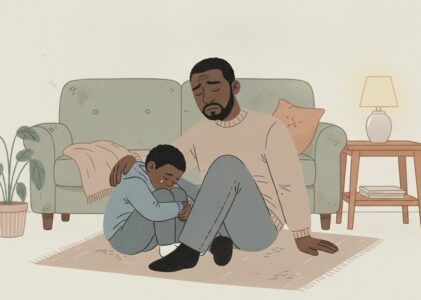
Every parent has had this moment: your kid seems off. Sad for no clear reason, wound up with worry, snapping at everyone in the house, or suddenly pulling away from friends. And underneath it is always the same question — is this just a phase, or do I need to get help?
The reassuring answer first: most of this is normal. Sadness after a disappointment, nerves before a big test, a short fuse during a stressful week, an awkward stretch with friends — these are ordinary parts of growing up. The goal isn’t to erase every hard feeling. It’s to recognize when a passing mood has turned into a pattern that needs more support than home alone can give.
Athena Care psychiatrist Dr. Jack Koch, MD shares more about the signs that parents or caregivers can look for. We also include a brief, confidential quiz for adults to assess if a child in their life needs help.
Jump to quiz
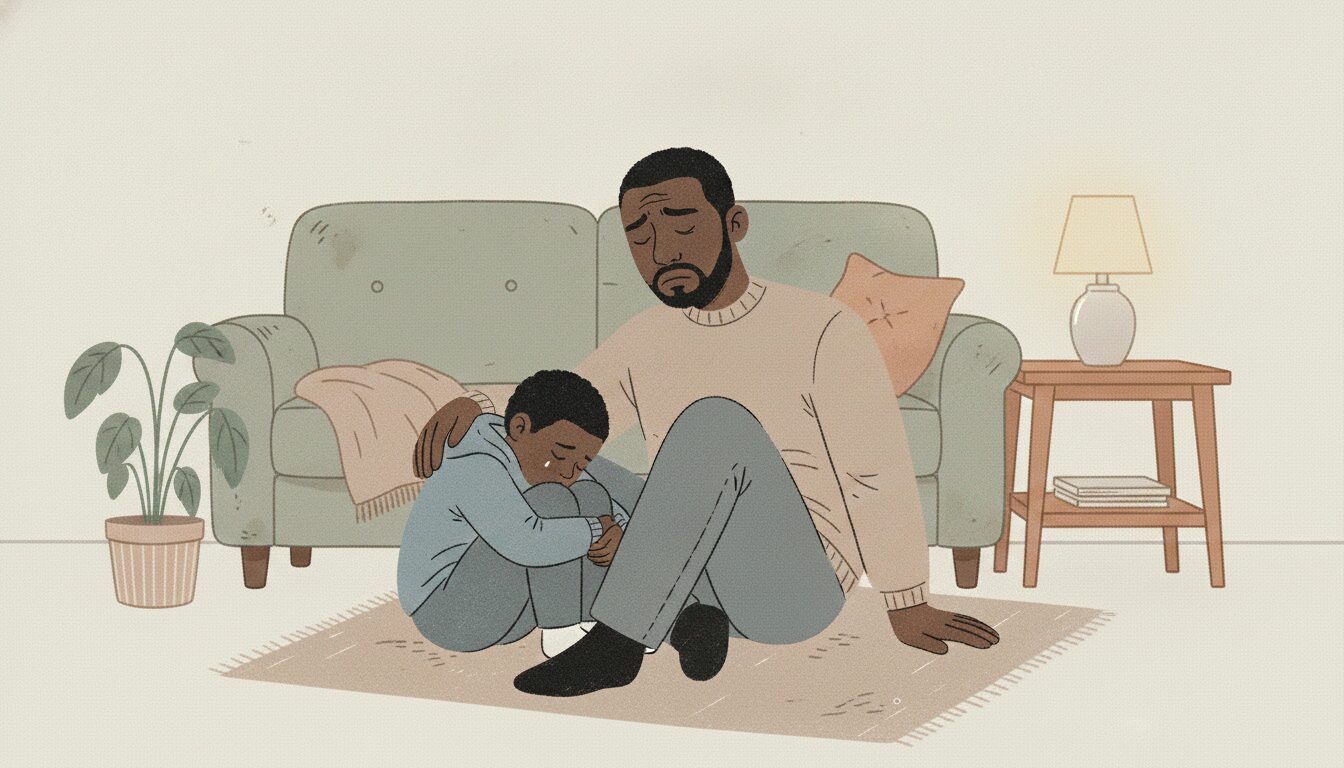
Why Kids Struggle — And Why It’s More Common Than You Think
Sadness. Grief, disappointment, and low moods show up for every kid at some point. They become a concern when they linger for weeks, flatten a child’s interest in things they used to love, or show up alongside changes in sleep, appetite, or energy.
Anxiety. Worry is protective in small doses — it helps kids prepare and pay attention. It becomes a problem when it’s disproportionate to the situation, when a child can’t talk themselves down from it, or when it starts driving avoidance: skipping school, dodging sleepovers, refusing normal activities.
Anger. Irritability and anger are often the disguise mental health struggles wear in kids, especially boys and younger children who don’t yet have the words for “I feel anxious” or “I feel sad.” Frequent meltdowns, a hair-trigger temper, or anger that’s out of proportion to the trigger can be a signal worth paying attention to, not just a discipline issue.
Social struggles. Trouble making or keeping friends, being excluded or bullied, or withdrawing from peers are both a cause and a symptom of emotional distress — and one tends to feed the other.
Children’s Mental Health in Tennessee
Parents here aren’t imagining it — the data backs up what many families are feeling. Tennessee currently ranks 42nd out of 51 states and DC for youth mental health, based on a combination of how common mental illness is among young people and how much access they have to care. Nearly one in five Tennessee young people reported a major depressive episode in the past year — roughly 108,000 kids statewide — and close to two-thirds of them didn’t receive any mental health treatment for it.
Anxiety is one of the most common concerns Tennessee parents raise: the 2023 Vanderbilt Child Health Poll found that about 29% of Tennessee parents were worried their child had undiagnosed anxiety or depression, and statewide surveys have found anxiety diagnoses among Tennessee children roughly doubling over just a few years. Tennessee’s own Department of Education reports that 38% of the state’s high school students describe persistent feelings of sadness or hopelessness — and that more than two-thirds of Tennessee youth with clinical depression go untreated.
Social pressure plays a real role too. State health officials have flagged bullying, social isolation, and loss of friendships as recurring risk factors showing up in youth mental health crises across Tennessee, alongside family stress and disrupted routines.
None of this is meant to alarm you — it’s meant to normalize asking the question. If you’re noticing something, you’re not overreacting, and you’re far from alone.
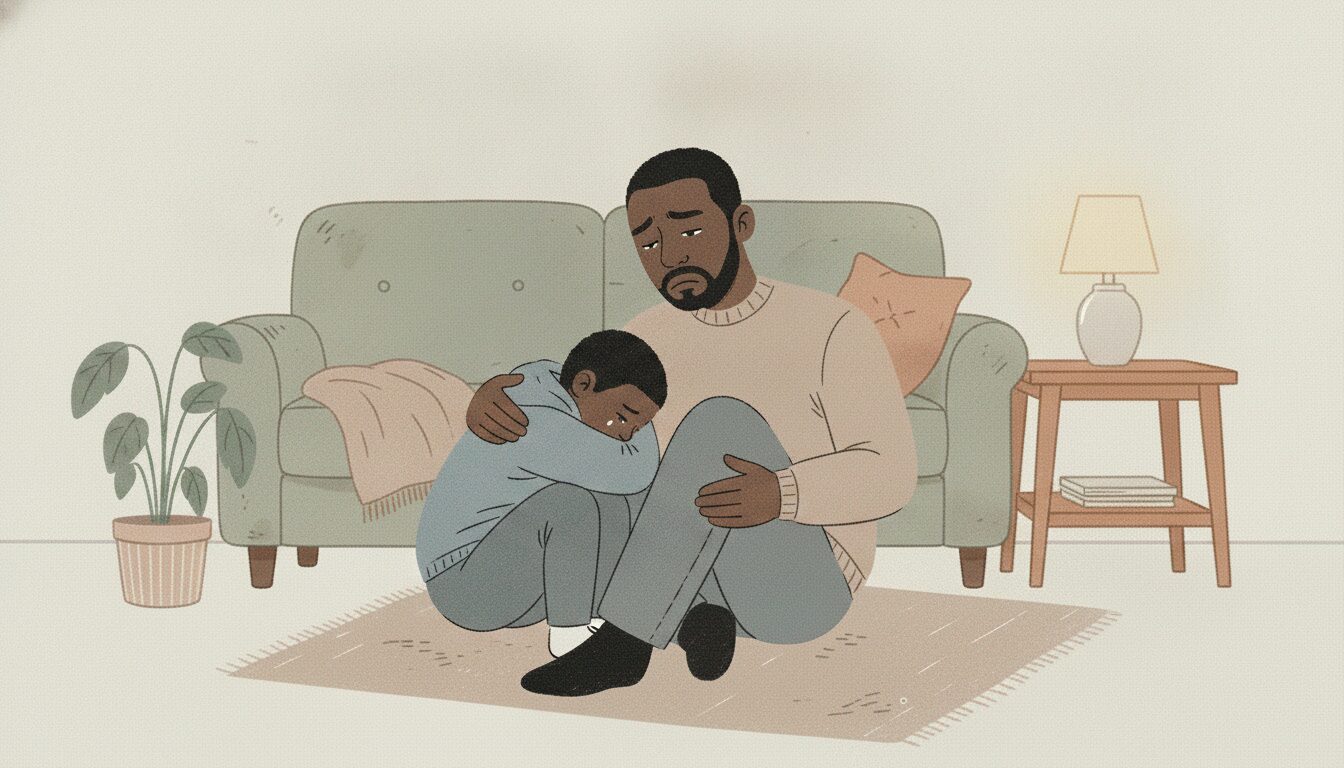
Signs It’s Time for a Professional, Not Just Patience
- Sadness or flatness lasting more than two weeks, especially with loss of interest in things they used to enjoy.
- Worry that won’t turn off or that leads to avoiding school, friends, or normal routines.
- Anger or meltdowns that are frequent, intense, and increasingly hard to de-escalate — especially if they’re new or escalating.
- Pulling away from friends, sudden peer conflict, or talk of being excluded or bullied that isn’t resolving.
- Physical complaints with no medical explanation — stomachaches or headaches tied to school or social situations.
- Sleep, appetite, or energy changes that are sustained.
- A noticeable academic or behavioral shift at school that a teacher has also flagged.
- Any mention of self-harm or suicide — this needs same-day attention, not a wait-and-see approach.
What Helps
Tennessee pediatricians can usually do an initial mental health screening and refer families to a child therapist or psychiatrist when needed — you don’t have to find a specialist on your own first. Therapy (especially cognitive behavioral therapy) is typically the first step for anxiety, sadness, and social difficulties, with medication considered when symptoms are more severe or therapy alone isn’t moving the needle. Telehealth has meaningfully expanded access for Tennessee families, particularly outside the state’s largest cities, where specialists can be hard to find in person.
One more thing worth knowing: research on why teens don’t seek help shows the biggest barrier isn’t cost or access — it’s that most kids believe they should be able to handle it on their own, and many worry about what others will think. That’s a place parents have real influence. Naming the struggle out loud, without judgment, is often what makes a child willing to accept help at all.
The Optimistic Part
Kids are resilient, and sadness, anxiety, anger, and social struggles are genuinely treatable — especially when caught early. Getting help isn’t an admission that something has gone wrong as a parent. It’s the fastest path back to your kid feeling like themselves.
Any adult can take the free quiz linked below to get a clearer picture of whether or not a child in your life may benefit from professional help.
You can also reach out to one of our Care Coordinators at 877-641-1155, and we’ll help you take the next step. If your child talks about wanting to die or hurt themselves, don’t wait for an appointment — call or text 988 (Suicide & Crisis Lifeline) or go to your nearest emergency room.
If any of the above resonated with you or someone you love, reach out to Athena Care so we can help. You can contact us by filling out this short form or call/text us at +1 877-641-1155 or email [email protected].
Assessment Quiz

Dr. Jack L Koch Jr., M.D.
Psychiatrist
Dr. Koch obtained his undergraduate degree at the University of South Alabama, obtained his medical degree at the University of South Alabama College of Medicine, completed his Internship and Residency in General Psychiatry at the Vanderbilt University Medical Center, and completed his Fellowship in Child and Adolescent Psychiatry at the Vanderbilt University Medical Center. During his last year at Vanderbilt University Medical Center, he served as Chief Fellow for the Division of Child and Adolescent Psychiatry.

Meg Stein, CFP
Editor
Meg is a certified mindfulness instructor and works at Alive and Aware Practice in Durham, NC. She has over ten years of experience as a content creator and marketing consultant, working in mental healthcare and social justice.
Sources:
The Sycamore Institute, “Child and Adolescent Mental Health in Tennessee” (2025)
Mental Health America, “2025 State of Mental Health in America” report — Tennessee youth findings (2025)
Vanderbilt Child Health Poll (2023), cited via The Sycamore Institute
Tennessee Department of Education, “TN AWARE” Youth Mental Health Data Brief
Health Resources & Services Administration (HRSA), Tennessee Title V State Action Plan — Tennessee Youth Risk Behavior Survey data (2024)