

What Good Autism Representation on TV Looks Like
For a long time, autism on screen meant a genius with a quirk, or a character who existed to teach everyone else a lesson. That's changing.
Here is what four popular shows get right, where they fall short, and what to look for next time you press play.
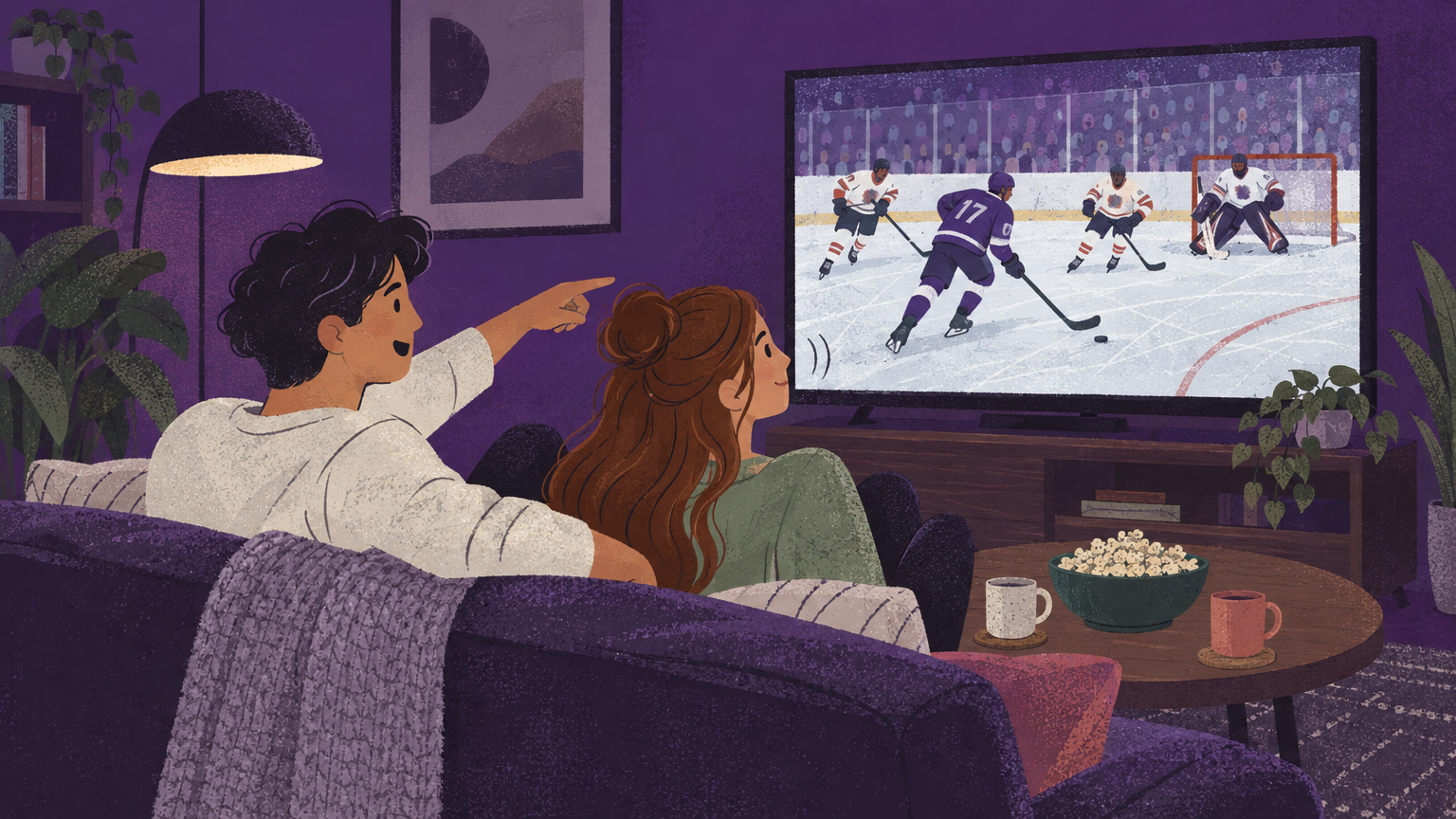
Heated Rivalry: Autism Without an Announcement
Shane Hollander's autism is never named on screen in this hockey romance. Author Rachel Reid, who has an autistic child, said she realized while writing a later book that Shane is probably autistic. Hudson Williams, who plays him, also has a close autistic family member.
What viewers notice is how it shows up. CBC points to the first episode, where Shane doesn't realize Ilya is flirting until it's made explicit, and to the finale, where he cooks eight hamburgers for two people because the recipe said to. His autism isn't a plot point, a weakness, or a stereotype, yet it's present in everything he does. TIME adds that he's Asian, at a time when most autistic representation is overwhelmingly white.
One caution from TIME: some of Williams's off-screen jokes about the character, like comparing him to a Roomba, didn't land well with some autistic viewers. Even loving, well-informed people can get the language wrong.
Extraordinary Attorney Woo: Strengths First
Many people name this Korean drama as their benchmark. A 2025 journal analysis credits it with weaving together social difficulties, exceptional memory, and intelligence, and with emphasizing Woo's strengths rather than only her challenges. It also treats her trouble with eye contact as a real difficulty rather than a surface trait.
The catch is that Woo is a savant, and savant abilities are rare among autistic people. Park Eun-bin, who plays her, isn't autistic. Watch Woo as one vivid person, not a template. The show itself makes that point when she meets another autistic character whose life looks nothing like hers.
The Pitt: Casting Matters
This medical drama shows what changes when an autistic performer plays an autistic role. Tal Anderson, who is autistic, plays Becca King, the autistic twin sister of Dr. Mel King, and earned her first Emmy nomination for the part. Anderson is clear that a character isn't a stand-in for her: she says she and Becca are very different people with different circumstances.
She also pushes back on a common shortcut. Lumping ADHD, dyslexia, and autism into one story without showing different lived experiences leads people to assume they're all the same. The Pitt avoids that by giving viewers several neurodivergent characters who aren't alike.
Love on the Spectrum: Real People, Real Dating
This docuseries isn't scripted, which is its strength. Creator Cian O'Clery says applications from autistic people looking for help entering the dating world increase every year. Participants tell the team what kind of person they'd like to meet, and the matchmaking is tailored to each of them. That respect for self-determination is a big part of why it works. It treats autistic adults as people with romantic goals, not subjects to be pitied.
O'Clery is realistic about the larger picture, though. He notes that neurotypical actors still frequently play neurodivergent roles.
It’s also worth noting that reviews within the autism community are mixed. The same is true of many other shows, such as Atypical, another series that gets a lot right. It’s worth asking whether universal acceptance is even possible for someone, or something, that is supposed to represent you. No single show can speak for every autistic person, and expecting one to may be the real problem.
All that said, there’s still room for improvement. Research suggests a higher share of autistic people identify as aroace (aromantic and asexual) than neurotypical people do. A dating show can't tell that part of the community's story if everyone on screen is looking for romance. It would be exciting to see shows like Love on the Spectrum feature an aroace person who finds deep meaning in friendships, or someone seeking a companion without any romantic or sexual connotation. That would widen what "connection" can look like on screen.
What to Look For
You don't need a diagnostic manual to spot good representation. A few practical signs of what to look for:
- Autistic people are involved. Autistic actors, writers, or consultants usually produce more specific, less stereotyped work.
- Autism is shown, not lectured. Shane's story works because it doesn't stop so he can explain himself.
- Strengths and struggles both appear. Good portrayals avoid both pity and the "superpower" trap.
- No single character carries everything. The best shows, like The Pitt, offer more than one kind of autistic experience.
Watching Together
If you're a parent, teacher, or friend of an autistic person, you may want to pick one of these shows and watch it with the person you care about. Afterward, ask something open: "Did anything feel familiar?" Their answer will tell you more than any list of traits. And if a portrayal rings false to them, take that seriously.
Autistic viewers disagree with each other about what feels authentic, and that makes sense. As Dr. Van Horn explains, "While autistic individuals share certain characteristics that define the diagnosis, they may have just as many—if not more—differences in their strengths, challenges, interests, and experiences. For many autistic people, autism is a core part of who they are, but it is not the whole of who they are.”
Representation is improving, but slowly. Shows like these prove that autistic characters can be funny, romantic, flawed, and fully human. The more stories we see, the less any one of them has to do.
Fluker, D. (2026, July 21). ‘The Pitt’ star Tal Anderson on her first Emmy nomination and the importance of autistic representation. Forbes. https://www.forbes.com/sites/dominiquefluker/2026/07/21/the-pitt-star-tal-anderson-on-her-first-emmy-nomination-and-the-importance-of-autistic-representation/
‘Heated Rivalry’ handles autism with love, care, and a touch of awkwardness. (2026). TIME. https://time.com/7344379/heated-rivalry-autism-shane/
Navigating autism representation in ‘Extraordinary Attorney Woo’: A Korean drama perspective. (2025). Kajian Pendidikan, Seni, Budaya, Sosial, dan Lingkungan, 2(1), 1-13. https://ojs.ympn2.or.id/index.php/KPSBSL/article/download/3/62
Stechyson, N. (2026, January 8). Heated Rivalry’s Shane is autistic. If you didn’t notice, that’s the point. CBC News. https://www.cbc.ca/news/canada/shane-heated-rivalry-autistic-9.7036356
TV’s neurodivergent casting reckoning. (2026, August 19). The Hollywood Reporter. https://www.hollywoodreporter.com/tv/tv-features/tv-neurodivergent-casting-1236676608/
Talk to a Care Coordinator