

If you’ve typed some version of this into a search bar at 2 a.m., you’re in good company. “Can anxiety be prevented?” “Is anxiety a disorder for life?” “Are panic attacks dangerous?” — these are some of the most commonly searched anxiety questions online, and underneath all of them is the same quiet hope: please tell me this gets better.
Athena Care therapist, Extasy Grinn, LCSW offers this honest answer: “Anxiety can be treated, and for many people it can significantly decrease or even seem to “go away” for periods of time. However, the experience of anxiety varies from person to person. Whether anxiety fully resolves or continues to emerge at times often depends on its underlying causes and the individual’s circumstances.”
There is hope though! Highly effective treatments for anxiety exist. Extasy puts it like this: “Ultimately, anxiety is manageable and treatable. Although it may not disappear completely for everyone, most people can learn to effectively cope with it and prevent it from significantly interfering with their daily lives.”
Wondering if you have anxiety? Jump to quiz
What the data shows
“Anxiety can stem from many different sources. While it is often described as the body’s physiological response to a perceived threat or fear, it is not always solely a mental health issue,” says Extasy. “Medical conditions such as thyroid disorders, hormonal imbalances, certain medications, and other physical health concerns can contribute to or worsen anxiety symptoms. The good news is that anxiety is highly treatable. ”
Anxiety disorders are, by a wide margin, among the most treatable mental health conditions we know how to address. The World Health Organization is direct about this: everyone can feel anxious sometimes, but people with anxiety disorders often experience fear and worry that is both intense and excessive, difficult to control, and capable of causing significant distress if left untreated.
The frustrating part is access, not effectiveness. Although highly effective treatments exist, only about 1 in 4 people who need care actually receive any treatment, held back by lack of awareness that anxiety is a treatable condition, underinvestment in mental health services, a shortage of trained providers, and lingering stigma. In other words, the science of what works is well ahead of how many people actually get to use it. That gap is a systems problem — not a sign that you’re somehow untreatable.
What treatment looks like
Extasy shares that, “Individuals can learn effective coping skills and strategies to manage anxious thoughts and physical symptoms. Techniques such as mindfulness, grounding exercises, relaxation skills, cognitive restructuring, and other evidence-based interventions can help reduce anxiety over time.”
In 2024, the WHO updated its global guidelines for treating generalized anxiety disorder and panic disorder, and the recommendations are refreshingly specific. The guidelines recommend brief, structured psychological interventions based on cognitive behavioral therapy (CBT) as a first step, note that guided self-help tends to outperform unguided self-help, and find little difference in effectiveness between digital and face-to-face therapy, or between individual and group formats.
Medication has a role too. The same guidelines support the use of SSRIs for both generalized anxiety and panic disorder, while recommending against benzodiazepines except for brief, severe episodes lasting no more than a week. Exercise and stress-management techniques like relaxation and mindfulness training are also formally recommended, not just offered as a footnote.
A 2025 analysis in Psychology Today, drawing on the largest CBT meta-analysis to date, adds a hopeful detail specific to panic: a 2025 meta-analysis of 39 studies on panic disorder found that CBT produced a large effect size compared to control conditions, and separate research found that moderate to vigorous aerobic exercise — about 45 minutes, three times a week for roughly two months — was also an effective treatment. Therapy and movement work well together.
“But are panic attacks actually dangerous?”
This is one of the most searched anxiety questions for a reason — panic attacks feel like they could be an emergency. A panic attack triggers your body’s fight-or-flight response, the same survival mechanism your ancestors relied on to escape real danger — except here it fires without an actual threat present. Your heart races, you sweat, you feel breathless, because your nervous system is doing exactly what it was built to do, just at the wrong moment.
The reassuring consensus across clinical sources is consistent: panic attacks are intensely uncomfortable, but not physically dangerous. That said, if chest pain is new to you, or you have a family or personal history of heart problems, get it checked out by a doctor first — ruling out other causes is smart, not paranoid.
What you can do on your own
You don’t need a diagnosis to start building a calmer baseline:
- Move your body regularly. Even a brisk daily walk helps regulate the same stress-response system that drives anxiety.
- Notice and name what’s happening. Simply recognizing “this is my nervous system’s alarm going off, not an actual emergency” can take some of the charge out of a spike of fear.
- Practice slow, deliberate breathing or progressive muscle relaxation. These give your body a physical signal that it’s safe to stand down.
- Watch caffeine and alcohol. Both can amplify physical anxiety symptoms.
- Protect your sleep. A tired nervous system is a jumpier one.
These habits genuinely help — but they work best as a companion to professional care, not a replacement for it when anxiety is significantly disrupting your life.
The importance of confronting anxiety with support
“One of the most important concepts in overcoming anxiety is unlearning excessive avoidance,” says Extasy. “While it may feel helpful to avoid situations that trigger anxiety, doing so can actually reinforce the brain’s belief that those situations are dangerous. Over time, avoidance often strengthens anxiety rather than reducing it.”
When individuals gradually expose themselves to anxiety-provoking situations while using healthy coping skills, they teach their brain that they are capable of handling the discomfort and that the feared outcome is often unlikely to occur. With consistent practice, confidence grows, anxiety decreases, and the physiological response becomes less intense over time.
Often, learning how to do this is challenging without the support of a professional. A therapist, for example, can share what those healthy coping skills are that will allow you to confront anxiety in a transformative and supported manner.
Getting professional help
Reach out to a doctor or therapist if anxiety is showing up several days a week, interfering with work, relationships, or sleep, or if you’re avoiding places or situations because you’re afraid of how you’ll feel there. Frequent panic attacks, physical symptoms you can’t self-soothe through, or any thoughts of self-harm are all clear signals to seek support now rather than later.
The path forward is well-mapped. Recovery isn’t a matter of willpower or waiting it out — it’s a matter of matching yourself with treatment that has a strong track record, whether that’s CBT, medication, structured self-help, exercise, or some combination. The evidence says you can get there. The next step is simply starting the conversation with someone qualified to help you walk it.
We’re here to help
If any of the above resonated with you or someone you love, reach out to Athena Care so we can help. You can contact us by filling out this short form or call/text us at +1 877-641-1155 or email [email protected]. You can also take the short, self-assessment quiz below.
Do I have anxiety?
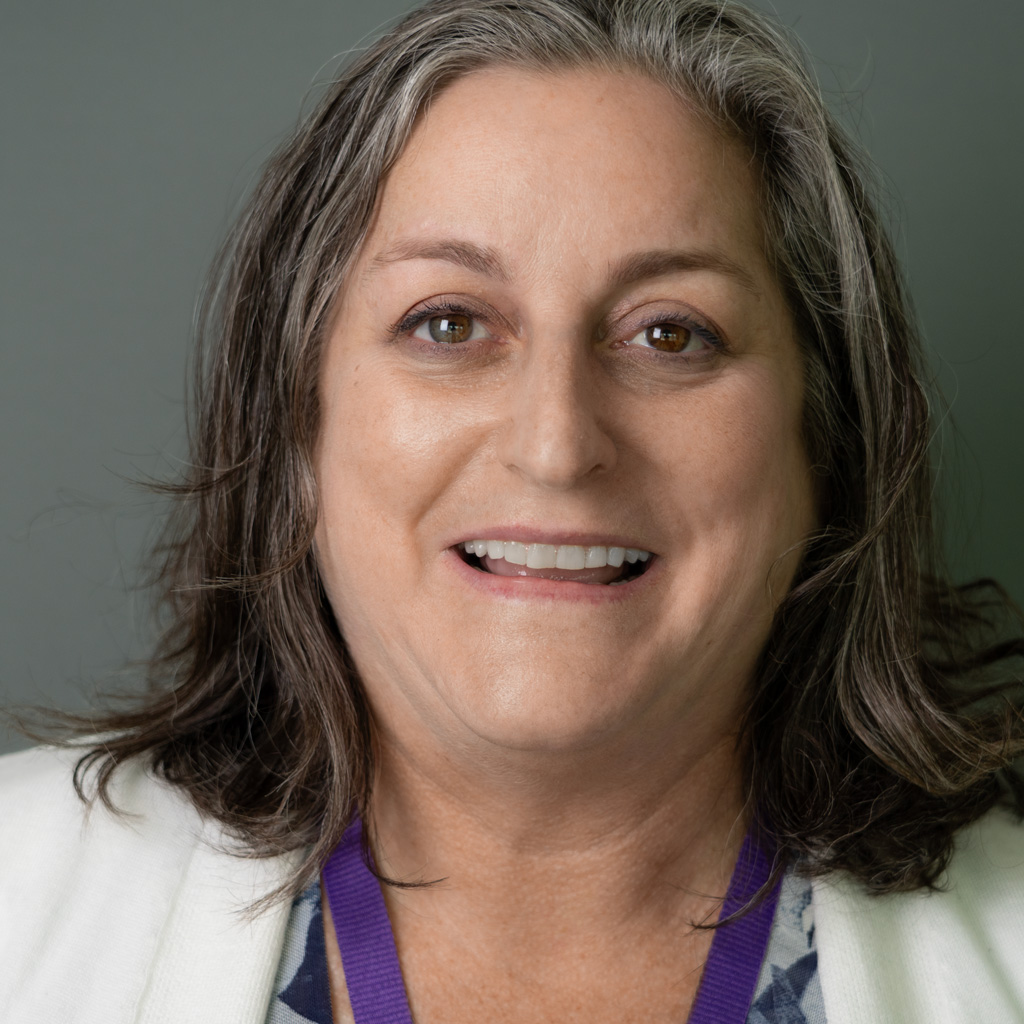
Extasy Grinn, LCSW
Therapist
Extasy is a Licensed Clinical Social Worker and provides individual therapy to adults. She has training and expertise in a variety of mental and behavioral health areas, including addiction treatment, geriatric care, child therapy and individual therapy with adults.

Meg Stein, CFP
Editor
Meg is a certified mindfulness instructor and works at Alive and Aware Practice in Durham, NC. She has over ten years of experience as a content creator and marketing consultant, working in mental healthcare and social justice.
Sources:
Beard, C. (2025, May 21). New research reviews treatments for panic disorder. Psychology Today. https://www.psychologytoday.com/us/blog/from-lab-to-real-world/202505/new-research-reviews-treatments-for-panic-disorder
Gray, S., Fu, S., Tucci, M., & Barbui, C. (2024). Management of generalized anxiety disorder and panic disorder in general health care settings: New WHO recommendations. World Psychiatry, 23(1), 149–150. https://onlinelibrary.wiley.com/doi/10.1002/wps.21172
Harvard Health Publishing. (2024, May 24). Panic attacks: Recognizing and managing panic attacks and preventing future attacks. Harvard Medical School. https://www.health.harvard.edu/mind-and-mood/panic-attacks-recognizing-and-managing-panic-attacks-and-preventing-future-attacks
World Health Organization. (2025). Anxiety disorders [Fact sheet]. https://www.who.int/news-room/fact-sheets/detail/anxiety-disorders