


Here is the good news: for most people, side effects are mild, often temporary, and very manageable. Even better, you are not doing this alone. Your prescriber’s job is to work with you to find a medication and dose that helps you feel better while keeping side effects as low as possible. We also include a short self-assessment tool below to help.
The worries are common — and reasonable
If you are hesitating, you are in good company. People often worry that a medication will change their personality, that they will feel “numb,” that they will become dependent, or that a side effect will be worse than the problem they are treating. These concerns deserve honest answers. Trusted sources like the National Institute of Mental Health and the National Alliance on Mental Illness (NAMI) are clear that mental health medications are meant to ease symptoms — not erase who you are — and that many people either have no side effects or find that they fade within a few weeks.
Athena Care nurse practitioner, Ariel Newton, PMHNP-BC says, “Most patient will have mild GI upset, headaches or dizziness when they initially start medication, but often this is only for the first 3 to 5 days and then those side effects disappear.”
It also helps to know that the most common medications are well understood. SSRIs, a frequently prescribed class for both depression and anxiety, are generally considered safe and well tolerated. Stimulants, the most studied ADHD treatment, work well for a large majority of people who take them.
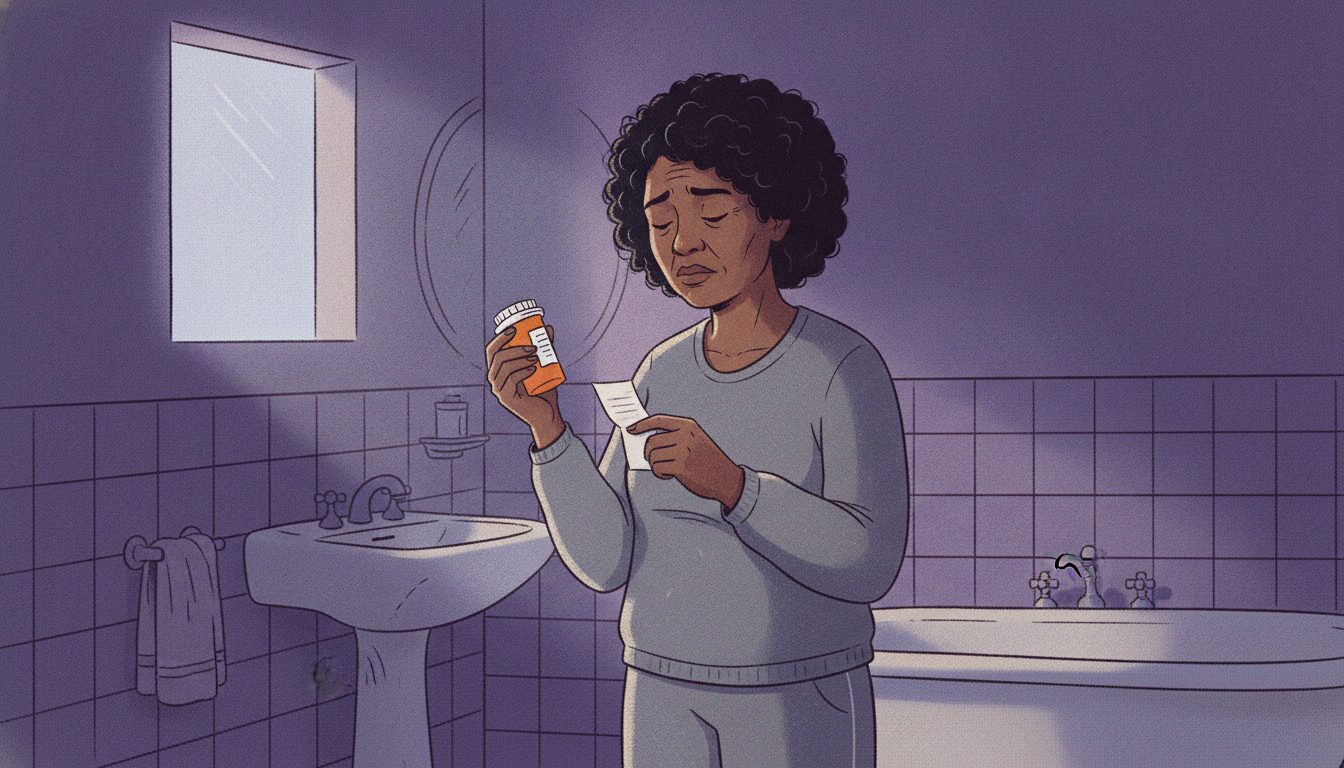
What side effects actually look like
Most early side effects are mild. For antidepressants and anti-anxiety medications, they can include an upset stomach, headache, changes in sleep, or feeling a little more anxious for a short time when you first start. Mayo Clinic notes that many of these ease after the first few weeks as your body adjusts. For ADHD stimulants, the most common effects are reduced appetite, trouble sleeping, and a “rebound” dip in mood as a dose wears off — all of which HelpGuide and WebMD describe as usually manageable with changes to timing or dose.
Serious reactions are rare, and your provider will tell you the specific warning signs to watch for, so you know exactly when to call.
How your provider keeps side effects low
“The goal with medication is to have the most improvement in symptoms with the least number of side effects, so if you are struggling, your provider will work with you to figure out how to manage any reported issues,” says Ariel.
You are not expected to just tough it out. The standard medication approach in the U.S. is “start low, and go slow.” Your provider usually begins with the lowest dose likely to help, then checks in regularly and adjusts based on how you respond. This process is designed to find the sweet spot where you get the benefit with the fewest side effects.
If something bothers you, there are many levers to pull: lowering the dose, changing when you take it, switching to an extended-release version, or trying a different medication altogether. Because there are so many options, one medication not fitting simply means another likely will. Your honest feedback is what makes this work, so keep the conversation going.
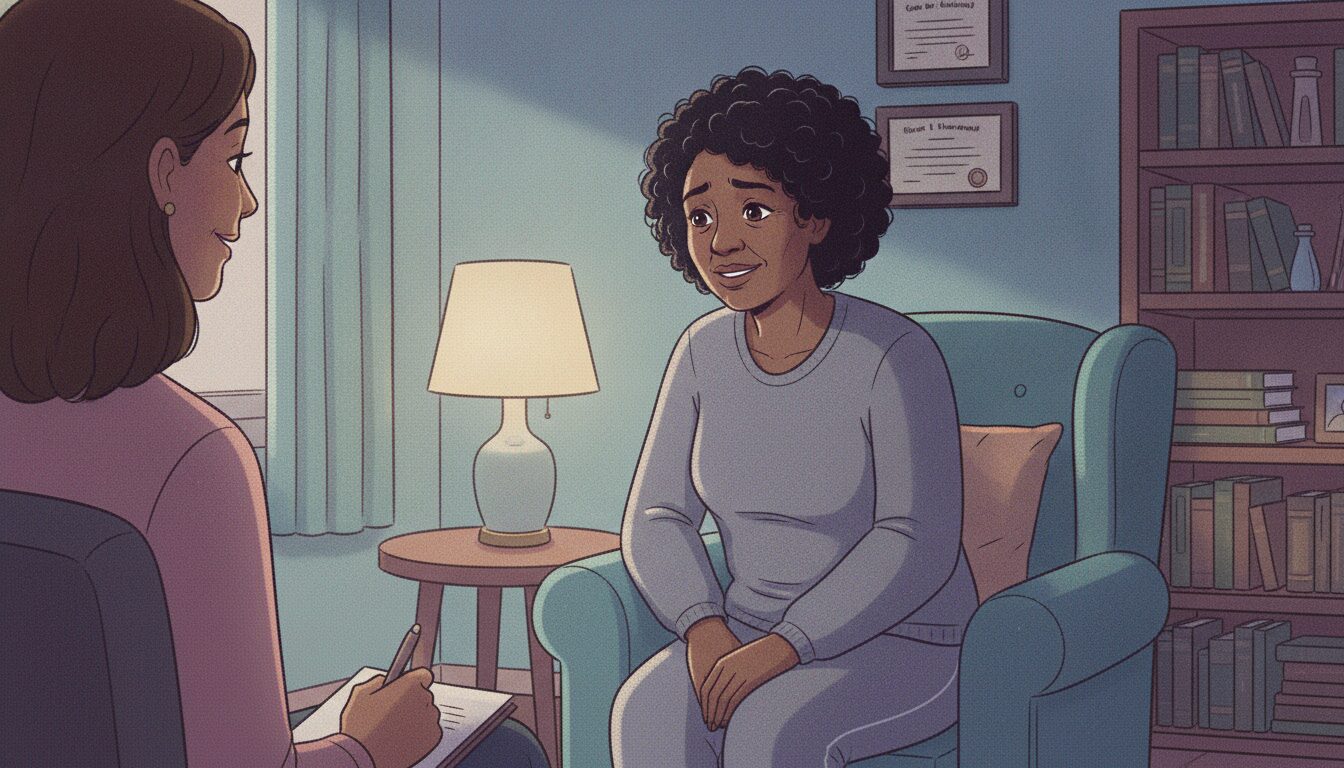
Practical steps you can take
You have real power to make the process smoother. A few things that help:
- Take it with food and water. This eases nausea, one of the most common early complaints.
- Mind the timing. If a medication makes you sleepy, ask about taking it at night; if it keeps you awake, mornings may be better.
- Keep a simple log. Jot down side effects, sleep, mood, and energy. Patterns help your provider fine-tune your plan.
- Never stop suddenly. Stopping abruptly can cause uncomfortable withdrawal-like effects. Always taper with your provider’s guidance.
- Share everything you take. Other prescriptions, over-the-counter medicines, supplements, alcohol, and caffeine can all interact, so give your provider the full picture.
- Be patient. Antidepressants often take four to six weeks to fully work, so early side effects may show up before the benefits do.
Takeaways
“Medication is a tool to help manage symptoms,” says Ariel. “And your provider will work with you to help find the best solution.”
Side effects are a solvable part of treatment, not a reason to avoid help that could change your life. Finding the right fit sometimes takes a little patience and a few adjustments — but that is a normal part of good, personalized care, not a sign that anything is wrong. With a prescriber in your corner and a few smart habits, most people land on a plan that works for them.
If you are considering medication, talk with a licensed healthcare provider about your specific situation. This article is for general information and is not a substitute for personalized medical advice.
If any of the above resonated with you or someone you love, reach out to Athena Care so we can help. You can contact us by filling out this short form or call/text us at +1 877-641-1155 or email [email protected].
Could medication help you?
A free, confidential self-assessment tool

Ariel Newton, PMHNP-BC
Nurse Practitioner
Ariel is a board-certified psychiatric mental health nurse practitioner. She attained her Masters of Science in Nursing from Vanderbilt University, specializing in Psychiatry.

Meg Stein, CFP
Editor
Meg is a certified mindfulness instructor and works at Alive and Aware Practice in Durham, NC. She has over ten years of experience as a content creator and marketing consultant, working in mental healthcare and social justice.
Sources:
National Alliance on Mental Illness (NAMI), Mental Health Medications and What to Expect From Your Medications (May 2026) — nami.org
Cleveland Clinic, Antidepressants (March 2026) and Selective Serotonin Reuptake Inhibitors (SSRIs) (January 2026) — my.clevelandclinic.org
WebMD, ADHD Medications and Side Effects, medically reviewed (April 2026) — webmd.com
HelpGuide.org, ADHD Medications for Children and Adults (February 2026) — helpguide.org
Mayo Clinic, Selective Serotonin Reuptake Inhibitors (SSRIs) — mayoclinic.org
National Institute of Mental Health (NIMH), Mental Health Medications — nimh.nih.gov