


Loneliness is not a personal failure — it’s a signal. And for many Americans, that signal comes in midlife, under pressures like unemployment, caregiving burdens, and lack of social support systems. Below we offer tips and an interactive quiz to help.
Loneliness isn’t about being physically alone; it’s the gap between the social connection we desire and what we actually experience. The Dictionary of Obscure Sorrows creates new, fictional words that poetically point to the many ways loneliness is experienced: aftergloom, n. the pang of loneliness you feel the day after an intensely social event, as the glow of voices and laughter fades into a somber quiet;1 ledsome, adj. feeling lonely in a crowd; drifting along in a sea of anonymous faces but unable to communicate with or confide in any of them.2 Loneliness may feel difficult, but by recognizing it, reaching out, building small, meaningful connections, and seeking help when needed, you can move from isolation toward connection.
Jump to quiz

Why loneliness in midlife is especially common in the U.S.
New research brings a surprising twist to what we thought we knew about loneliness: in the U.S., loneliness doesn’t just rise with old age — it peaks in midlife.3 A major international study, involving more than 64,000 adults from 29 countries, found that the U.S. (along with only one other country, the Netherlands) is unique in seeing highest loneliness levels during middle age rather than later in life.4
The study’s authors point out that middle-aged Americans report more loneliness than older adults, a pattern not seen in most other nations. Lead author, Robin A. Richardson, assistant professor of epidemiology at Emory University, says, “Middle-aged adults represent a critical population that is being overlooked.”5
Why might this be? The research suggests several factors. In the U.S., being unmarried, unemployed (or not working), dealing with depression, or having poor health are associated with higher loneliness among middle-aged people.5 In particular, unemployment was identified as a major contributor to midlife loneliness in the U.S. — more so than in many of the other countries studied.6
These findings challenge common assumptions. Historically, loneliness interventions and public-health attention have focused on adolescents, young adults, or seniors.7 But this study underscores that middle age — often assumed to be a stable, socially connected period — can in fact be a peak vulnerability point for loneliness in the U.S.
From signal to action: what you can do if you feel lonely
Recognizing loneliness is a first step. You can take the quiz below to help assess your level of possible loneliness. Here are practical strategies for helping yourself — especially if you’re in midlife, or dealing with work, health, or relational stresses.
1. Name it — and treat it as real
Juan Trevino, a Licensed Clinical Social Worker at Athena Care, says, “It’s okay to feel lonely. Naming the feeling can help reduce its intensity and helps you understand what you need.”8 Admitting that you feel lonely is not a failure. It’s a human signal. The fact that loneliness peaks during middle age in the U.S. highlights how societal structures and stressors (like job loss, economic pressure, weak social safety nets) often play a role — it isn’t about “you as a person.”
Ask yourself: What kind of connection are you missing? — friendship, deep emotional bond, community, shared purpose? Identifying the gap helps you respond meaningfully.
2. Strengthen existing relationships — reach out
Loneliness can lead to withdrawal, but often people simply lose touch because no one reaches out. Choose one or two people — friends, co-workers, family — and make contact. A quick message or a short call can re-open meaningful connection.
Set small goals:
- Text or message someone twice a week.
- Schedule a call or meet-up every couple of weeks.
- Try saying “yes” to social invites even when you feel reluctant.
These small efforts can re-establish social bonds over time.
3. Strengthen your relationship with yourself
Juan shares another tip that, “Sometimes the best place to start is by strengthening the relationship with yourself. Engage in activities you enjoy, practice mindfulness or journal. When you’re okay being with yourself, it can make isolation more palatable.”
What are the activities that help you feel more connected to yourself? Can you make space, even ten minutes, in your day to engage them?
4. Build daily micro-connections
You don’t always need deep friendship to feel less lonely. Brief, pleasant social interactions — chatting with a barista, greeting a neighbor, joining a local club or class — can create a sense of belonging and ease isolation.
Especially for middle-aged adults who are juggling work, family, or caregiving, these micro-moments can add up.
5. Engage in communities around shared interests or purpose
Joining groups centered on hobbies, volunteering, fitness, faith, or shared causes can help you connect with like-minded people. These spaces often foster natural social bonds where depth grows over time.
6. Use technology intentionally, not as a replacement
Digital communication can reduce loneliness — but only if used to deepen real relationships. Instead of passively scrolling, try sending a thoughtful message, a voice note, or arranging a video call. Use online spaces as a bridge, not a substitute, for real-world connection.
7. Re-write negative self-talk
“Being lonely often comes with negative thoughts like, “I’m not worthy,'” says Juan. “You can recognize your negative thoughts and reframe them to be compassionate.”
8. If loneliness feels overwhelming — reach out for help
Juan shares that, “If you feel lonely, it’s a reminder to reach out, reflect and take a small step to connect inside and out. “Being lonely might not be something you can immediately fix. It can take small steps like calling a friend or family member, getting out, joining a group. But if you can take small steps, it often gets better with time.
If loneliness starts affecting your mood, sleep, or motivation, consider talking with a licensed therapist. Professional support can help you navigate underlying stressors or depression.
If you or someone you love would benefit from talking to a mental health provider in Tennessee, call or text:
877-641-1155
One of our Care Coordinators will help you get the care you need.
Loneliness Assessment Quiz
Sources
- Koenig, J. (n.d.). [aftergloom] The Dictionary of Obscure Sorrows. https://www.dictionaryofobscuresorrows.com/
- Koenig, J. (n.d.). [ledsome] The Dictionary of Obscure Sorrows. https://www.dictionaryofobscuresorrows.com/
- Richardson, R. A., Harper, S., Keyes, K. M., Crowe, C. L., & Calvo, E. (2025). Contributors to age inequalities in loneliness among older adults: a decomposition analysis of 29 countries. Aging & Mental Health, 29(7), 1257–1265. https://doi.org/10.1080/13607863.2025.2473634
- Dudzik, Dr. Gregory (2025, April 22). Middle-age adults in US are lonelier than in most other countries. ABC News. https://abcnews.go.com/GMA/Wellness/middle-age-adults-us-lonelier-countries/story?id=121048502.
- Emory University. (2025, May 13). Middle-aged Americans are lonelier than older adults. Futurity. https://www.futurity.org/middle-aged-americans-loneliness-3280682-2
- Spahr, Rob (2025, April 22). Middle-aged Americans and loneliness: New study shows an alarming trend. Emory University News Center. https://news.emory.edu/stories/2025/04/hs-middle-aged-adults-and-loneliness-22-04-2023/story.html
- Wesson, Simon (2025, April 23). Middle-Aged Americans Are the Loneliest, Global Study Finds. Neuroscience News. https://neurosciencenews.com/middle-aged-loneliness-28701
- Juan Trevino (n.d.). Athena Care. https://www.athenacare.health/about-us/clinicians/juantrevino/

Juan Trevino, LCSW, IOP/PHP Director at Athena Care
Therapist
Juan Trevino is a Licensed Clinical Social Worker and a seasoned leader in therapeutic interventions and clinical program management.
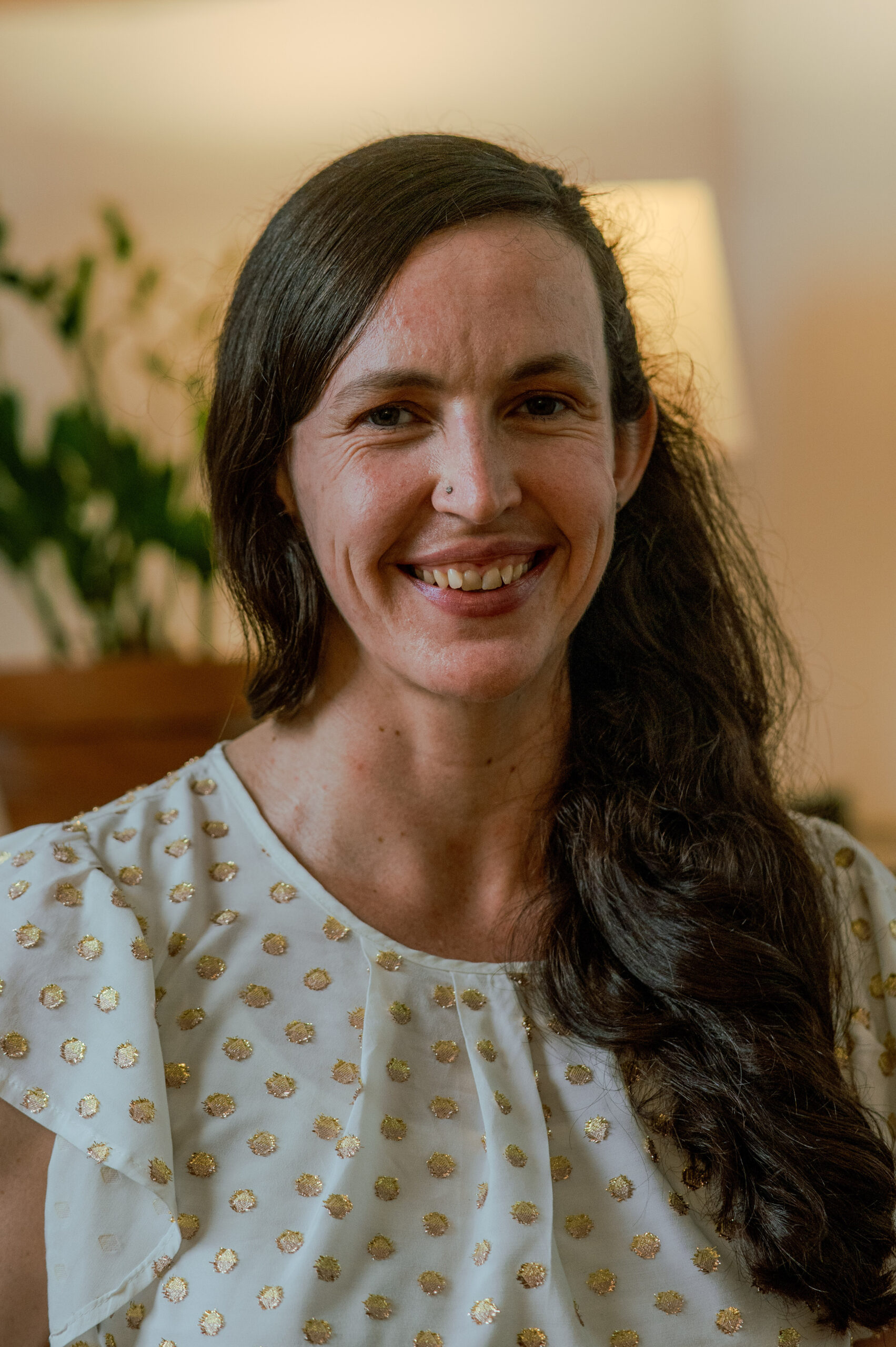
Meg Stein, CFP
Editor
Meg is a certified mindfulness instructor and works at Alive and Aware Practice in Durham, NC. She has over ten years of experience as a content creator and marketing consultant, working in mental healthcare and social justice.