


Depression is more common than most men realize — and more treatable than many fear. In the United States, depression affects over 6 million men each year, yet a large number of them never get help. The good news is that depression responds well to treatment, and recognizing the signs early is the first — and most powerful — step toward feeling better.
Why Depression Looks Different in Men
Depression doesn’t always look the way people expect. When depression occurs in men, it may be hidden by unhealthy coping behavior. For several reasons, male depression often goes undiagnosed or untreated — but when it is treated, it usually gets better.
Athena Care provider Natalie Meckel, PMHNP-BC offers more: “Depression presents differently in men than women and a lack of awareness about this leads to delays in men getting help. Sadness, crying spells, and hopelessness are how most people perceive depression, but in men a low mood more often manifests as irritability, shutting down emotionally, and withdrawing from relationships.”
Common Signs of Depression in Men
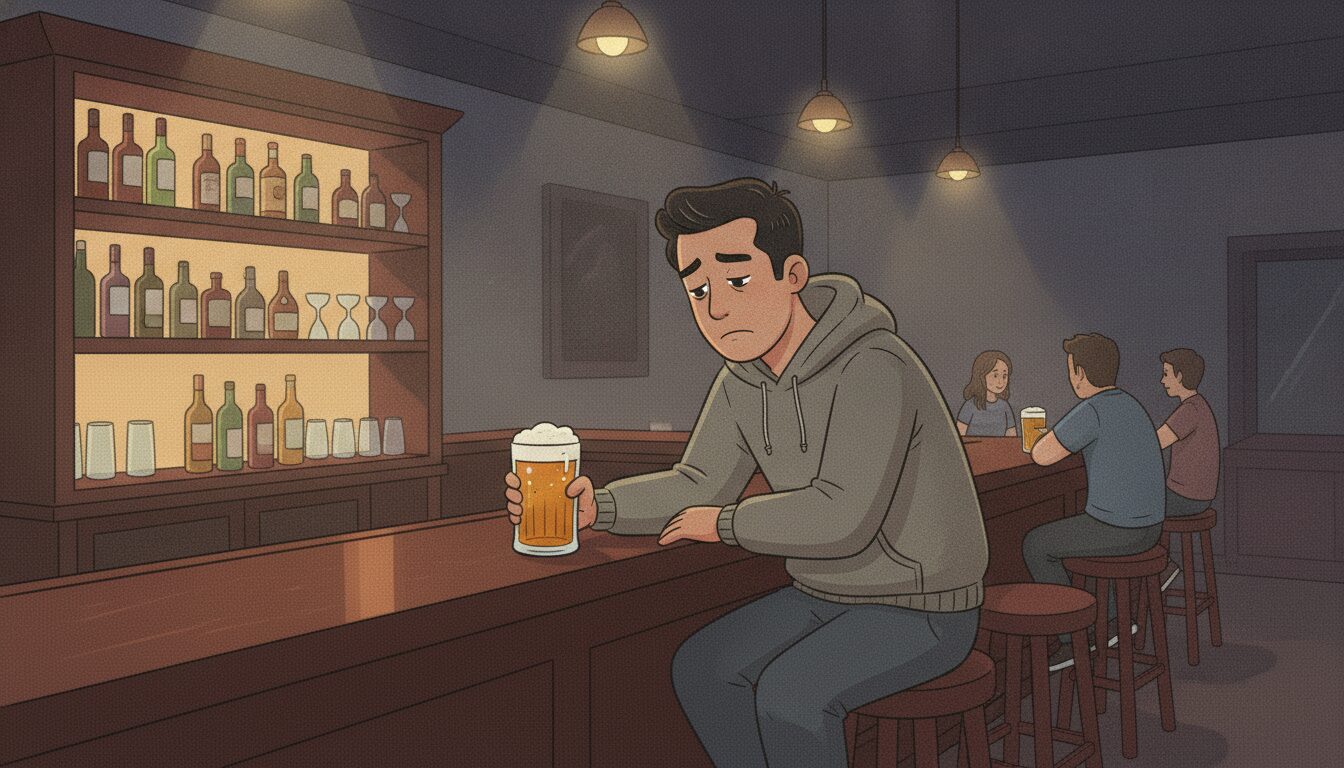
“Because of social pressure and stigma, men tend to minimize their own symptoms (“but everybody feels that way, right?”) and attempt to cope by finding a distraction through work, substances, gambling, video games, or even pornography,” says Natalie. “These outlets might provide a temporary escape, but ultimately lead to greater feelings of loneliness and isolation.”
Here are some common signs to look for:
Irritability and anger. One of the most overlooked signs of male depression is a short fuse. Women tend to have rapid mood swings, whereas men often express more anger and irritability. If you find yourself snapping at people over small things, feeling frustrated constantly, or having a hard time controlling your temper, this could be a sign that something deeper is going on.
Pulling away from people. Depression can make you want to go it alone. Men who are depressed often stop spending time with friends and family, skip activities they used to enjoy, and become hard to reach. This isolation can quietly make depression worse.
Using alcohol or drugs more than usual. While increased use of alcohol or drugs can be a sign of depression in any person, men are also more likely to use these substances as a coping strategy. If you find yourself drinking more than usual — or using substances to wind down, avoid feelings, or get through the day — it’s worth paying attention to.
Physical complaints without a clear cause. For some men, symptoms manifest as physical problems — for example, a racing heart, tightened chest, chronic headaches, or digestive issues. Many men are more likely to see a health care provider about these physical symptoms than their emotional ones. If you’ve been dealing with unexplained aches, fatigue, or stomach problems, depression could be playing a role.
Exhaustion and low energy. Feeling drained even after a full night’s sleep is a classic depression symptom. Small tasks can feel like huge efforts. It’s not laziness — it’s a real change in how the brain is functioning.
Throwing yourself into work or risky behavior. Depression often manifests as irritability, anger, risk-taking, substance abuse, and escaping behavior — such as over-involvement at work. If you’re staying at the office until midnight, taking unnecessary risks, or constantly needing to stay busy to avoid your own thoughts, depression may be driving it.
Sleep problems. Trouble falling asleep, waking up in the middle of the night, or sleeping too much are all common signs of depression. Poor sleep and depression tend to feed into each other, creating a cycle that’s hard to break on your own.
Trouble focusing. Depression affects concentration and memory. If you’re struggling to stay on task, forgetting things more often, or feeling mentally foggy, this can be a symptom worth discussing with a doctor.
The Suicide Risk Men Face
This is important to know: men are 3.5 times more likely to die by suicide than women, and suicide is the 7th leading cause of death among men in the U.S. Men tend to use more lethal means, yet show fewer warning signs of impending attempts. This makes it all the more critical to take depression seriously before it escalates. If you or someone you know is in crisis, call or text 988 (Suicide & Crisis Lifeline) anytime, 24/7.
What You Can Do Right Now
Depression is highly treatable. “Many men fear that asking for help will make them weak or indicate failure,” says Natalie. “The reverse is in fact true: seeking support to make a change or get treatment takes boldness and strength.”
Here are practical steps you can take:
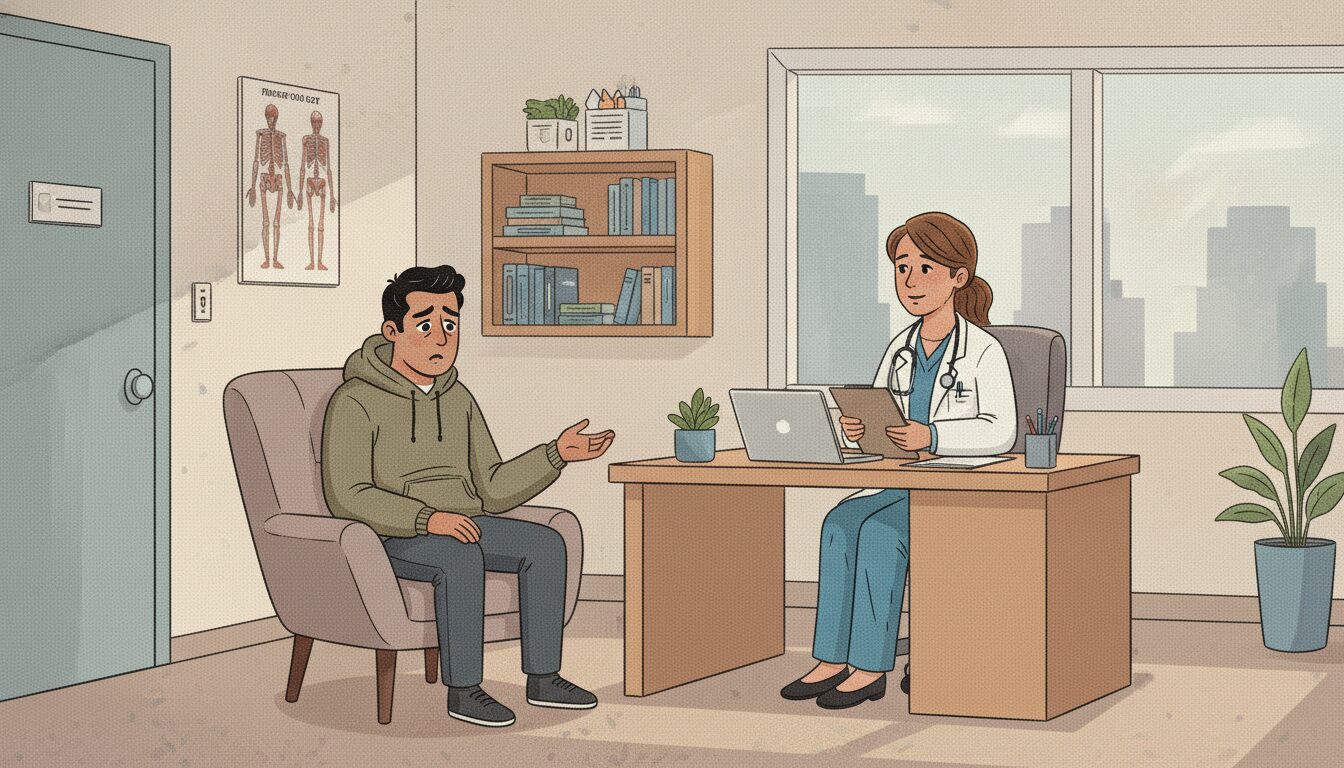
Talk to your doctor. A primary care doctor is a great first stop. They can screen for depression, rule out other medical causes, and refer you to a mental health professional. There are many safe and effective depression treatment options available, including different approaches to talk therapy.
Try therapy. Cognitive Behavioral Therapy (CBT) is one of the most well-studied and effective treatments for depression. CBT is practical and goal-oriented, making it a popular choice for men who want clear strategies to manage depression. Many therapists now offer virtual sessions, which removes many of the barriers to getting started.
Get moving. Regular exercise and a healthy diet are good for mental health. Even a 20-minute walk a day can make a measurable difference in mood over time.
Cut back on alcohol. Drinking may feel like relief in the moment, but it’s a depressant and makes symptoms worse over time. Reducing alcohol is one of the most direct things you can do to support your mental health.
Stay connected. Reach out to a friend, family member, or anyone you trust — even if the conversation doesn’t go deep. Social connection is protective against depression. You don’t have to talk about your mental health to benefit from simply spending time with people who care about you.
Consider online resources built for men. Programs like Man Therapy (mantherapy.org) and Heads Up Guys (headupguys.org) are specifically designed for men dealing with depression and offer assessments, practical tools, and links to professional help.

You Don’t Have to White-Knuckle This
Depression is not a character flaw. It’s a medical condition, and getting help for it takes courage — not weakness. Only about 33% of men who need therapy actually receive it, which means millions of men are suffering quietly when effective help is available. If you recognize any of these signs in yourself or someone you care about, take it seriously and take action. The earlier you address depression, the faster and more completely it can be treated.
If any of the above resonated with you or someone you love, reach out to Athena Care so we can help. You can contact us by filling out this short form or call/text us at +1 877-641-1155 or email [email protected].
Contact us today

Natalie Meckel, PMHNP-BC
Nurse Practitioner
Natalie Meckel is a board-certified Psychiatric Mental Health Nurse Practitioner. She brings a wealth of scientific knowledge to her practice and she is passionate about empowering patients with a thorough understanding of their mental health and medications.

Meg Stein, CFP
Editor
Meg is a certified mindfulness instructor and works at Alive and Aware Practice in Durham, NC. She has over ten years of experience as a content creator and marketing consultant, working in mental healthcare and social justice.
Sources:
National Institute of Mental Health (NIMH). Depression. NIH Publication No. 24-MH-8079, Revised 2024. https://www.nimh.nih.gov/health/publications/depression
UC Davis Health. Men’s Mental Health: What to Know About Depression and Anxiety and How to Get Help. July 2025. https://health.ucdavis.edu/blog/cultivating-health/mens-mental-health-what-to-know-about-depression-and-anxiety-and-how-to-get-help/2025/07
Mayo Clinic. Male Depression: Understanding the Issues. February 2024. https://www.mayoclinic.org/diseases-conditions/depression/in-depth/male-depression/art-20046216
Geisinger Health. Clinical Depression Symptoms You Shouldn’t Ignore. December 2025. https://www.geisinger.org/health-and-wellness/wellness-articles/2025/12/18/18/52/clinical-depression-symptoms
Revive Research. Men’s Health Month 2025: Shining Light on the Silent Struggle. June 2025. https://reviveresearch.org/blog/mens-health-month-2025/
South Denver Therapy. 2026 US Depression Statistics: Key Facts & Trends Revealed. January 2026. https://www.southdenvertherapy.com/blog/depression-statistics-2026
Centers for Disease Control and Prevention (CDC) / NCHS. NCHS Data Brief No. 527: Depression Among Adults and Adolescents in the United States. April 2025. https://www.cdc.gov/nchs/data/databriefs/db527.pdf