

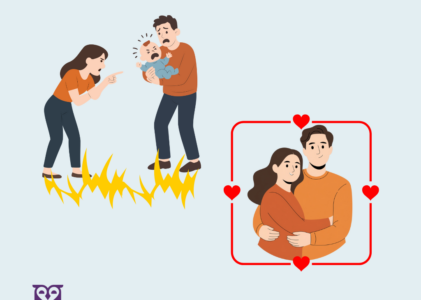
Even the healthiest couples hit rough patches now and then. Life gets busy, careers, kids, finances and daily stress can all wear down your connection. You might start to feel more like roommates than soulmates, or find that little spats flare into big arguments.
“Most couples love each other and do not want to continue to hurt each other and fight, but really do not know how to stop the cycle,” says Athena Care therapist Extasy Grinn. “Therapy can help get to the underlying emotional needs that are not being met within the relationship.”
How do you know if it’s just a passing phase, or if you and your partner might benefit from professional help? Remember, there’s no shame in seeking support. In fact, couples counseling isn’t just for relationships on the brink, it’s for any couple that cares enough to work on their bond.
Here are some common signs that it’s time for couples therapy.
Jump to relationship self-assessment quiz
1. Frequent arguments or silent treatment
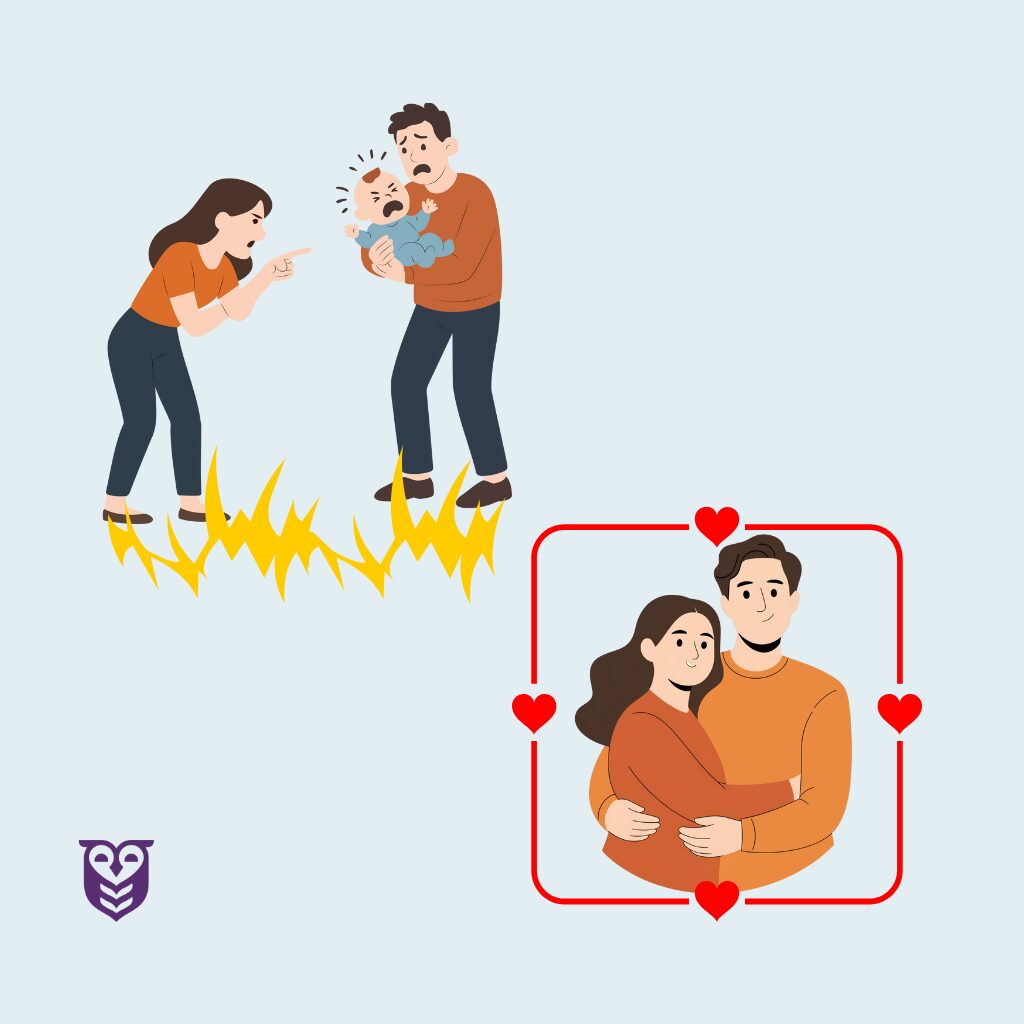
Do you find that conversations often turn into a fight, or conversely, that one of you has shut down completely? Constant arguing is an obvious sign of trouble, but total silence can be just as concerning. Frequent blow-ups erode trust and goodwill. When one partner withdraws or gives the silent treatment it creates emotional distance within the relationship.
“If a couple finds themselves arguing about who does the dishes, or there is an uneven power dynamic felt in the relationship, it is usually not about the dishes,” says Extasy. “The argument is really driven by things that are underlying, like not feeling appreciated or feeling unheard.”
Couples counseling breaks the cycle of arguing or avoidance. A therapist teaches you new communication tools to listen and express yourselves more effectively.
2. Broken trust
Trust is the foundation of any relationship. If that foundation has cracked, whether due to lying, secrecy, or an affair, it can be difficult to rebuild on your own. Perhaps one of you is constantly checking the other’s phone, or you just can’t shake the feeling that you’ve been betrayed. Recovering from infidelity or serious breaches of trust is one of the toughest challenges a couple can face, and professional support is often crucial. A couples therapist provides a safe, neutral space to unpack what happened, work through the hurt, heal, and rebuild trust step by step.
3. Emotional distance
Do you feel like ships passing in the night rather than loving partners? Many couples reach a point where they feel more like roommates than romantic partners. When your relationship feels like all logistics and no affection or intimacy, it’s a sign of emotional distance.
Extasy says that, “If there are unmet needs, emotional distance, and lack of connection, then couples therapy closes that gap.” She shares that working with a therapist as a couple “rebuilds safety and trust.”
A therapist can assist a couple in understanding each other’s emotional needs and finding ways to reconnect on a deeper level. With help, partners who’ve grown apart can learn to communicate beyond the day-to-day tasks and rebuild emotional and physical intimacy that may have faded.
4. Ongoing, unresolved conflicts
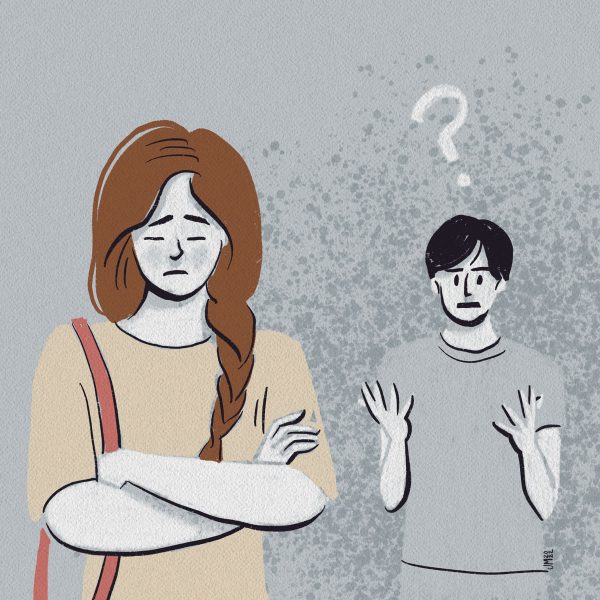
Do you have the same argument over and over without ever resolving it? Maybe it’s about money, or the kids, or the in-laws. The topic doesn’t get settled, so it keeps coming back like a boomerang. It’s exhausting and demoralizing to rehash the same issues on repeat. Often, recurring conflicts mean you’re talking in circles or avoiding the real root of the problem. Over time, this pattern can breed resentment (“Here we go again!”) and make issues seem insurmountable.
Couples therapy can help break the stalemate. A therapist will spot underlying patterns and guide you both to address what’s really driving those repeat fights. In fact, if it feels like you and your partner can never resolve certain important issues and just keep going around in circles, therapy can help get to the root of the conflict and figure out a path forward. You’ll learn strategies to solve disagreements for good or cope with differences in a healthier way, rather than looping through the same argument endlessly.
5. Strain from major life transitions
Big changes, even happy ones, can put strain on a relationship. Events like moving to a new city, changing careers, retirement, losing a loved one, or especially, becoming new parents can rock the equilibrium between you and your partner. Nearly two-thirds of couples experience a drop in relationship satisfaction in the first few years after a baby arrives. You or your partner might feel anxious, overwhelmed, or neglected during these changes.
Couples counseling acts as a “roadmap” for navigating transitions together. You learn to communicate your fears and needs during the transition, negotiate new roles and responsibilities, and face the change as a united team.
Jump to relationship self-assessment
6. Avoiding important conversations
Not all warning signs are loud. In some relationships, the danger sign is what you’re not talking about. Do you avoid certain topics, like money, sex, commitment, or other “hard” conversations, because you fear it will start a fight or hurt someone’s feelings? It might seem like you’re keeping the peace, but brushing issues under the rug is only a short-term solution. Unspoken issues create an undercurrent of tension. You might feel anxious or resentful about things that are never actually discussed. Avoidance can be as damaging as open conflict, because it means you’re not truly communicating or understanding each other.
A couples counselor breaks the silence. Therapy provides a neutral space where both partners speak honestly, while also being respectful and productive. You learn to address topics you’ve been avoiding, whether it’s discussing future plans, voicing your feelings, or tackling sensitive subjects like intimacy or finances.
7. Considering separation or feeling stuck
Have you thought, “Would I be happier on my own?” Perhaps one or both of you has mentioned trial separation or divorce. Or you feel stuck and unsure what to do next. When you feel hopeless about the relationship’s future, it’s a sign that something needs to change.
Likewise, maybe you both know you want things to work but you’ve tried everything you can think of and nothing improves. These situations often come with a lot of pain, confusion, and fear. Couples counseling is incredibly valuable at this crossroads. A therapist helps you find clarity and understand what’s really happening in the relationship.
A therapist works with both of you to decide on next steps together, whether you recommit to the relationship, or separate in a conscious way that minimizes hurt. It’s an act of care to get help. It ensures that whatever path you choose, you’ve given your relationship the best chance or the most respectful closure.
Moving Forward
Extasy says that, in short, “couples therapy is about changing patterns in communication.” There’s no need to wait until things get worse. It’s truly a sign of strength to say, “We care about us, and we’re willing to get help.”
Athena Care offers couples counseling at multiple clinic locations in Tennessee and also via Telehealth, providing a comfortable, judgment-free space for you and your partner to heal and grow. You don’t have to navigate these relationship challenges alone. If any of the above resonated with you, reach out to Athena Care to understand each other again and build a healthier, happier relationship one step at a time.
If you or someone you love would benefit from talking to a mental health provider in Tennessee, call or text:
877-641-1155
One of our Care Coordinators will help you get the care you need.
Relationship Self-Assessment Quiz

Extasy Grinn, LCSW
Therapist
Extasy is a Licensed Clinical Social Worker and provides individual therapy to adults. She has training and expertise in a variety of mental and behavioral health areas, including addiction treatment, geriatric care, child therapy and individual therapy with adults.

Meg Stein, CFP
Editor
Meg is a certified mindfulness instructor and works at Alive and Aware Practice in Durham, NC. She has over ten years of experience as a content creator and marketing consultant, working in mental healthcare and social justice.
Sources
- Bustle. (n.d.). 12 signs you might need couples counseling. https://www.bustle.com/wellness/signs-you-need-couples-therapy
- Colorado Counseling Center. (n.d.). 7 signs it’s time for couples counseling. https://coloradocounselingcenter.com/blog/7-signs-time-couples-counseling/
- Elevation Behavioral Therapy. (n.d.). Couples therapy during life transitions. https://www.elevationbehavioraltherapy.com/blog/couples-therapy-for-life-transitions/
- Gottman Institute. (n.d.). How baby changes your relationship. https://www.gottman.com/blog/baby-makes-three/
- PsychCentral. (n.d.). Avoiding conversations in relationships. https://psychcentral.com/relationships/communication-in-relationships
- Thrive Psychology. (n.d.). 10 signs you might need couples therapy. https://thrivepsychology.com/10-signs-you-might-need-couples-therapy/
- Verywell Mind. (n.d.). How stonewalling hurts relationships. https://www.verywellmind.com/how-stonewalling-can-damage-relationships-5195022