

Many people struggling with depression or anxiety reach the same crossroads: Should I keep trying therapy alone, or do I need medication too? The decision can feel loaded with fear, stigma, or self‑doubt. Some worry that taking medication means their symptoms are “severe,” while others fear becoming dependent or losing a sense of control.
In reality, psychiatric medication is not a failure or a shortcut—it’s one of several tools that can help restore functioning and relieve suffering. Current clinical guidance emphasizes matching treatment to symptoms, impairment, and response to care, not pushing medication on everyone or avoiding it unnecessarily.
Below are five signs that it may be time to consider antidepressants in addition to—or instead of—therapy.
Jump to quiz
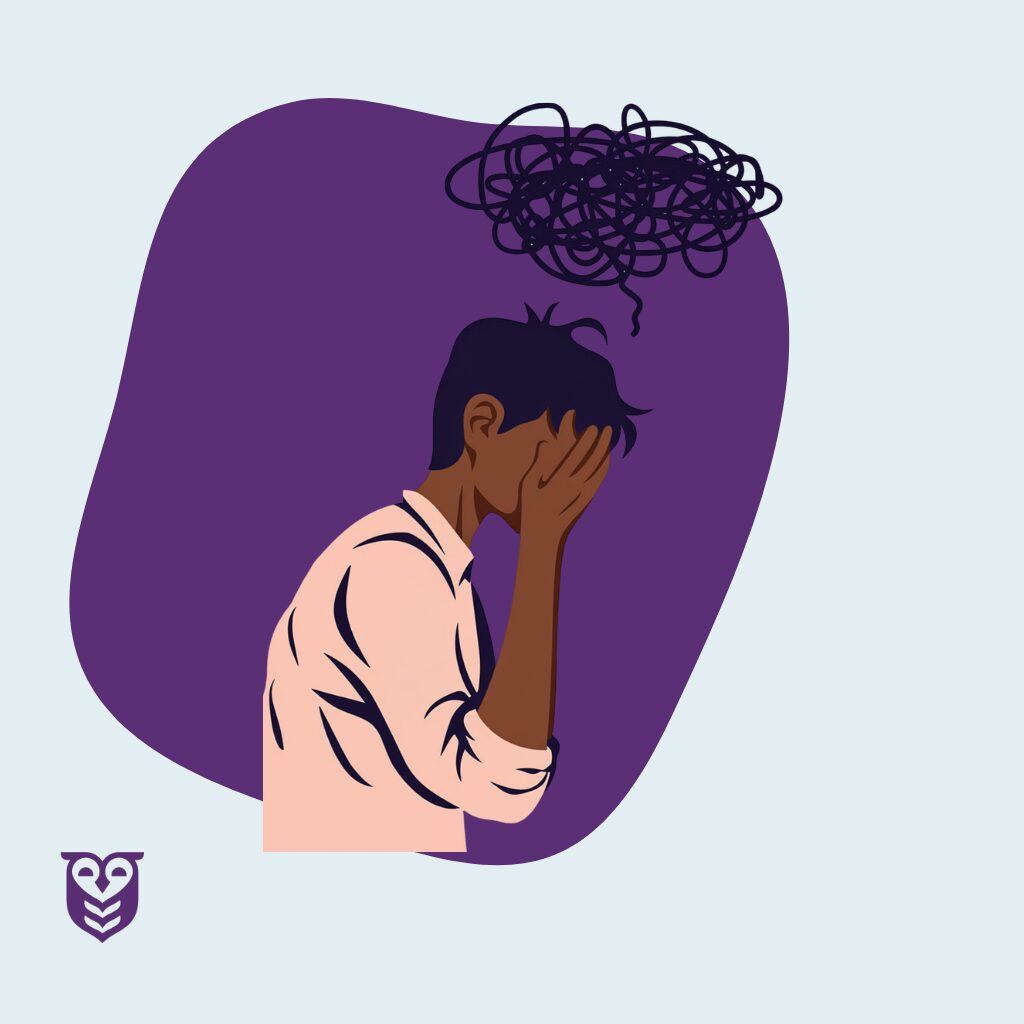
1. Other Treatments Haven’t Helped
Therapy, exercise, sleep hygiene, and stress‑management strategies are highly effective for many people, especially in mild depression or anxiety. But when symptoms persist despite consistent effort, medication may be appropriate.
If therapy and lifestyle changes haven’t produced meaningful improvement after an adequate trial, antidepressants can help reduce symptom intensity and support recovery. Importantly, this doesn’t mean therapy “failed.” Medication often creates the mental and emotional bandwidth needed for therapy to work more effectively.
Ariel Newton, PMHNP-BC, a Nurse Practitioner at Athena Care, says, “Medication can increase a person’s capacity to engage in therapy and can lead to better long-term outcomes and a higher quality of life.”
2. Symptoms Interfere With Daily Life
A key question clinicians ask is not just, “how bad do you feel?” but, “how much is this affecting your life?” Depression and anxiety often warrant medication when they interfere with work, school, relationships, or basic self‑care.
Difficulty concentrating, meeting responsibilities, or maintaining social connections are all strong indicators that medication may be helpful. If your world is shrinking because of your symptoms, considering medication for treatment is not overreacting; it’s appropriate care.
3. Physical Symptoms of Depression or Anxiety
Depression and anxiety are not purely emotional conditions. They commonly involve physical symptoms such as insomnia or excessive sleeping, appetite changes, low energy, and physical agitation.
Often depression and anxiety make it harder to sleep, and not getting enough sleep makes the depression and anxiety worse. When physical symptoms persist despite behavioral strategies, antidepressants can help stabilize you and often improve sleep, appetite, and energy earlier in treatment.
4. You’re Relying on Unhealthy Coping
When symptoms go untreated or are under-treated, people often turn to coping strategies that provide short‑term relief but long‑term harm—such as substance use, emotional withdrawal, compulsive behaviors, or overworking.
Medication does not replace coping skills, but it can reduce the intensity of the symptoms driving these behaviors, making healthier coping more accessible. Reducing the burden of these symptom earlier on can prevent the depression or anxiety from getting worse and also can prevent other problems from arising over time.
5. A Professional Recommends It
Sometimes the clearest sign is straightforward: a therapist, psychiatrist, or primary care provider recommends a medication evaluation. This recommendation is typically based on symptom severity, duration, recurrence, or limited response to prior treatment.
Importantly, antidepressants are not one‑size‑fits‑all. Recent large‑scale analyses show meaningful differences between medications in both benefits and side‑effect profiles, reinforcing the importance of working with a psychiatrist who can work with you to tailor the medication to your individual needs.
Addressing Common Medication Fears
There is still some stigma around using psychiatric medication as a tool. Many people worry they’ll become “dependent,” emotionally numb, or “not themselves.” Remember that modern antidepressants are not addictive, and most side effects—if they occur—are manageable or temporary.
It’s also a myth that medication replaces therapy. Evidence consistently supports combining medication with psychotherapy for moderate to severe depression, as each addresses different aspects of the condition.
A Quick Self‑Check
Ask yourself:
- Have my symptoms lasted more than two weeks?
- Are they affecting my work, relationships, or daily functioning?
- Have I tried therapy or lifestyle changes without enough relief?
- Am I relying on unhealthy coping just to get through the day?
If you answered “yes” to several of these, a medication evaluation may be worth considering. You can also take our sixteen question, confidential quiz to help you gather more information about your next step on your wellness journey.
Self-Assessment Quiz
Next Steps
You don’t need to be “at rock bottom” to consider antidepressants. Seeking a psychiatric or primary‑care evaluation is a proactive, informed step, not a sign of failure. A clinician can help you weigh options, discuss risks and benefits, and decide whether medication, therapy, or a combination of the two makes the most sense for you.
Relief is possible—and you deserve support that actually works.
Athena Care offers medication management at multiple clinic locations in Tennessee and also via Telehealth, providing a comfortable, caring space for you to heal. You don’t have to navigate these mental health challenges alone. If any of the above resonated with you, reach out to Athena Care to understand learn how medication management can help you.
You can complete this short contact form or you can email us at [email protected] or call/text us at +1 877-641-1155.
If you or someone you love would benefit from talking to a mental health provider in Tennessee, call or text:
877-641-1155
One of our Care Coordinators will help you get the care you need.

Ariel Newton, PMHNP-BC
Nurse Practitioner
Ariel is a board-certified psychiatric mental health nurse practitioner. She attained her Masters of Science in Nursing from Vanderbilt University, specializing in Psychiatry.

Meg Stein, CFP
Editor
Meg is a certified mindfulness instructor and works at Alive and Aware Practice in Durham, NC. She has over ten years of experience as a content creator and marketing consultant, working in mental healthcare and social justice.
Sources
- UpToDate. (2025, October 22). Major depressive disorder in adults: Approach to initial management. https://www.uptodate.com
- Hlynsson, A., et al. (2025, September 3). Why are we still using the PHQ‑9? Psychiatric Quarterly. https://link.springer.com
- Stanford Medicine. (2025, August 11). How sleep affects mental health (and vice versa). https://med.stanford.edu
- Pillinger, T., et al. (2025, November 1). The effects of antidepressants on cardiometabolic and other physiological parameters. The Lancet. https://www.thelancet.com
- Paganin, G. (2026, January 13). Treatment‑resistant depression: Time to rethink current definitions. Frontiers in Psychiatry. https://www.frontiersin.org