


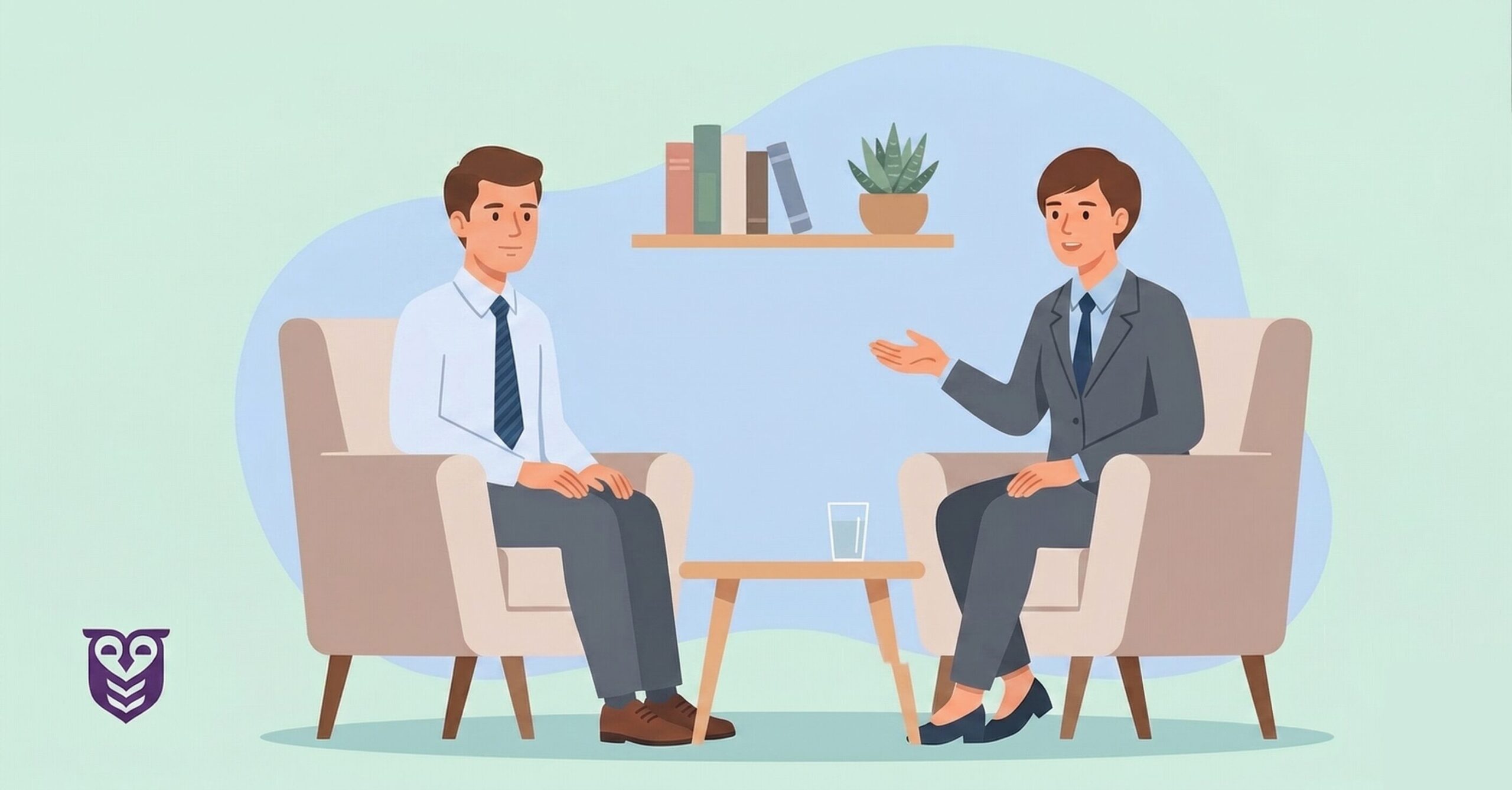
A forensic psychological evaluation is a comprehensive mental health assessment done for legal purposes. In simple terms, it’s when a licensed psychologist examines someone’s mental state to help answer specific legal questions or assist in a court case. These evaluations are called “forensic” because they relate to the law and courts, unlike a regular therapy session which is for personal treatment. If an attorney or judge has recommended a forensic psychological evaluation, it means they need expert insight into a person’s psychology to make an informed legal decision.
Forensic evaluations differ from ordinary counseling or medical evaluations in that their primary goal is to inform the legal system. The psychologist isn’t there to provide treatment or advice; instead, they act as an impartial expert assessing the individual and providing an objective report to the court. The results of the evaluation will often be shared with attorneys, judges, or other officials involved in the case. Unlike a private therapy session, a forensic evaluation is not confidential, the findings become part of the legal case. The end product is usually a detailed written report and sometimes expert testimony in court that addresses the specific questions posed by the legal case.
When Are Forensic Evaluations Used?
Forensic psychological evaluations are used in a variety of legal situations where mental health or behavior is a key factor. Here are common scenarios that might require a forensic evaluation:
- Criminal cases: Courts may order an evaluation to determine if a defendant is competent to stand trial, i.e., whether they understand the court process and can work with their lawyer. Evaluations are also used for insanity defenses or diminished capacity claims, examining whether a mental illness affected the person’s actions at the time of a crime. In addition, forensic psychologists might assess a person’s risk of future violence or risk assessment to inform sentencing or parole decisions.
- Family court and custody disputes: In child custody evaluations, a forensic psychologist assesses parents’ mental health and parenting capacity, and sometimes the child’s well-being, to help the court decide what arrangement is in the best interests of the child. For example, if there are concerns about a parent’s mental stability or potential harm to a child, a forensic evaluation can provide the court with an expert opinion on those issues.
- Civil lawsuits and injury claims: When psychological harm is claimed in a personal injury case– such as emotional distress from an accident or trauma– a forensic evaluation can document the extent of psychological damage. Similarly, in disability claims or workers’ compensation cases, an evaluation might determine how a mental health condition or cognitive impairment affects a person’s ability to work or function.
- Other legal matters: Forensic evaluations are also used in capacity evaluations. For example, to assess if someone is mentally capable of managing their affairs or making informed decisions in guardianship cases. These evaluations may be involved in fitness for duty evaluations–such as for law enforcement or military personnel– or to judge if someone is psychologically fit for a high-responsibility job. They’re also used in immigration cases; for example, to evaluate mental health as part of an asylum case or to support a hardship waiver. In any scenario where the legal system needs to understand a person’s mental state or behavior scientifically, a forensic psychological evaluation might be called upon.
No matter the context, the common thread is that these evaluations address specific legal questions. The court or referring attorney will ask the psychologist to focus on particular issues, for instance, “Is this individual a danger to others?,” or “What psychological impact did this event have?” The forensic psychologist’s role is to provide objective, expert insight on those questions.
What Happens During the Evaluation?
If you undergo a forensic psychological evaluation, what actually happens? The process is thorough and can range from one long session, most typical, to multiple sessions, because the psychologist needs a full picture of your mental state and background. While each evaluation is tailored to its purpose, most follow a series of steps:
- Referral and goal setting: The process usually begins with a referral, often from a court, attorney, or other legal authority. They will specify the legal questions that need to be answered. For example, your competency for trial or your fitness as a parent. The psychologist will clarify the purpose of the evaluation and ensure you understand it’s for legal use, not therapy or treatment.
- Review of background records: At various points, before or after meeting with you, the forensic psychologist will gather and review relevant documents. This can include medical and mental health records, school records, police reports, legal filings, past evaluations, and any other documents related to your case. By studying these records, the evaluator gets important background information and can pinpoint areas to focus on during your assessment.
Forensic psychologists often review extensive documentation as part of an evaluation. All this paperwork, from medical history to incident reports, helps the psychologist build context around the legal issues at hand. It ensures that the evaluation considers not just the interview with the individual, but also objective records and information from other sources. For example, if the evaluation is for a criminal case, the psychologist might review the police report of the incident and any witness statements. If it’s a custody case, they might read previous court documents or school reports about the child. This step is crucial for grounding the evaluation in facts and evidence, not just personal statements.
- Clinical interviews: Next comes one or more interviews with the person being evaluated. This interview is structured and comprehensive, not a casual chat. The psychologist will ask about your personal history, including family background, education, and work history. They’ll ask about your medical and mental health history, and your version of the events or issues relevant to the case. They will observe your behavior and demeanor during the interview. In some cases, the evaluator might interview other people as well–for instance, family members, teachers, or coworkers, if additional perspectives are needed. These are called collateral interviews. The goal of the interview phase is to get a clear understanding of your current mental state, your cognitive abilities– like memory, understanding, thinking–and any psychological symptoms that might be present.
Forensic evaluations involve structured interviews, where the psychologist asks targeted questions about the individual’s life and mental health. During the interview, expect the evaluator to take notes and possibly use specific questions or checklists that align with the legal criteria in question. For example, if the evaluation is about competency to stand trial, you will be asked questions to gauge your understanding of court proceedings and ability to work with your lawyer. If it’s a parental capacity evaluation, you might be asked about your parenting approach and any history of mental illness or substance use. It’s normal to feel a bit nervous, but remember to answer honestly and thoroughly, the psychologist is there in a neutral role, gathering information, not to judge or treat you.
- Psychological testing: In many forensic evaluations, the psychologist will administer standardized psychological tests. These are written or oral tests designed to objectively measure aspects of your mental functioning. Common examples include cognitive tests that assess IQ, memory, or problem-solving skills, personality inventories that evaluate traits, behavior patterns, or symptoms, and specific checklists for things like depression, PTSD, or other mental health conditions. In a custody or parenting evaluation, tests might also gauge parenting attitudes or the parent-child relationship. These tests provide data that can support or clarify the findings from the interview. They help ensure the evaluation is evidence-based and not just based on subjective opinion. The testing phase can take several hours on its own, depending on how many tests are needed.
- Observation and collateral information: Throughout the evaluation, the psychologist is also observing behavior and noting things like your mood, attitude, and whether your story stays consistent. They may note if you seem anxious, confused, defensive, or unusually guarded. In certain types of evaluations, like parenting assessments, the evaluator might even observe interactions between a parent and child. Additionally, if not already done, the evaluator might contact other people at this stage, such as your therapist, doctor, or family members, for additional information. All of these observations help paint a complete picture and cross-verify information.
- Report and recommendations: After all interviews and testing are completed, the forensic psychologist will analyze all the information and write a formal report. This report will summarize the findings, including background information, test results, clinical observations. Most importantly, the report will answer the specific legal questions that were asked. For example, the report might conclude whether you are competent to stand trial, or describe your mental state at the time of an offense, or evaluate each parent’s strengths and weaknesses in a custody case. The psychologist will back up their opinions with evidence from the interviews, tests, and records. The tone of the report is professional and focused on the legal criteria and is not focused on giving therapy advice. The report is then provided to the party who requested the evaluation, such as the court, attorney, or an agency.
- Court testimony (if needed): In some cases, the process doesn’t end with the report. The psychologist may be called to testify in court as an expert witness, especially if the case goes to trial. During testimony, the psychologist will explain their evaluation methods and conclusions in plain language for the judge or jury. They may be asked questions by both sides’ attorneys. This is an opportunity for the court to clarify anything in the report. Not all cases require testimony. Sometimes the written report is sufficient, but it’s a possibility in high-stakes or contested matters.
Overall, a forensic psychological evaluation is thorough but structured. It can take several hours spread over multiple sessions–for instance, two or three meetings for interviews and testing. The exact length and activities will depend on the complexity of the case and the questions being asked. By the end, the court or referring party should have a clearer understanding of the person’s psychological profile as it relates to the legal matter at hand.
How Is a Forensic Evaluation Different from Therapy?
It’s important to understand that a forensic psychological evaluation is not the same as a therapy session or a regular clinical assessment. The two have very different purposes and standards:
- Goal and loyalty: In therapy, the goal is to help the client/patient with personal issues, and the therapist’s loyalty is to that client’s well-being. In a forensic evaluation, the goal is to provide information to the legal system, and the evaluator’s loyalty is to the facts and the referring court or agency, not to the person being evaluated. Essentially, the forensic evaluator is neutral. They aren’t on anyone’s “side,” not the defense, prosecution, or the individual. They are on the side of the truth as it pertains to the legal question. If involving child custody, they must focus on the “best interest factors” outlined in state law.
- Confidentiality: With very few exceptions, what you share in therapy is private, but in a forensic evaluation there is no full confidentiality. The findings will be shared with the court or attorneys, and often all parties involved will see the report. You typically have to sign an informed consent acknowledging that information is not confidential. In most cases, there would be a specific court order or agreed order compelling the cooperation of the parties involved. This can feel less comfortable than therapy, but it’s necessary because the court needs the information. In short, forensic evaluations are not confidential like personal therapy sessions.
- Focus of the evaluation: Therapy or clinical assessments usually diagnose mental health conditions and recommend treatment plans for the person’s benefit. Forensic evaluations, on the other hand, focus narrowly on the legal questions. The evaluator might not even give a formal diagnosis if it’s not relevant. Instead, they might focus on functional abilities, such as “can this person understand court proceedings?” The scope is determined by the legal issue, not by what the person wants to explore. For example, if you have a lot of anxiety and want help, therapy would address that; but if you’re undergoing a forensic evaluation for competency, the evaluator isn’t there to help your anxiety; they are there to determine if your anxiety, or any other condition, impairs your competency or capacities.
- Interaction style: A therapist typically builds rapport, offers empathy, and tries to make you comfortable over multiple sessions. A forensic evaluator will certainly be professional and respectful, but the tone can be more formal or investigative. They may press on inconsistencies or ask very direct questions, because they need accurate information. You might also notice the evaluator remains somewhat distant. Again, their role is objective fact-finder, not a supportive counselor. This doesn’t mean the evaluator is uncaring; they are just maintaining professional objectivity. According to forensic psychology experts, clinical evaluations are patient-focused, while forensic evaluations are case-focused and address specific legal issues.
- Outcome: In therapy, the outcome is usually improved mental health or coping skills for the client. In a forensic evaluation, the outcome is a written report or testimony that informs a legal decision. You usually do not receive “feedback” or results the same way you might from a medical test or a school exam. Often, the results go directly to the attorney or court that requested it. Sometimes, the evaluator might explain the findings to you, if appropriate, but often you learn the outcome through your attorney.
In summary, think of a forensic psychological evaluation as an independent investigation into someone’s mental state, performed by a psychologist for the benefit of the court. It’s not a treatment session and not something you seek out on your own for personal insight. Understanding this difference can help set the right expectations if you’re asked to participate in one. You won’t be getting therapy or guidance during this process, but you will be helping the legal matter move forward by providing important information about your mental and emotional functioning.
Need a Forensic Psychological Evaluation? Athena Care Can Help
For those facing a legal situation in which a forensic psychological evaluation is needed, it’s crucial to have qualified and experienced professionals conduct the assessment. Athena Care’s team includes seasoned forensic psychologists who specialize in these types of evaluations. We provide objective, court-ready assessments on matters ranging from criminal competency and insanity evaluations to custody and parental fitness exams. Our experts understand both the clinical psychology aspects and the legal standards that must be met, ensuring that our evaluations hold up under scrutiny and help the legal process arrive at a just outcome.
Athena Care offers forensic evaluation services in Tennessee, where we have comprehensive mental health clinics, and via telehealth in many states. This means you can access our forensic expertise conveniently, whether in person or through secure online sessions, depending on what the court allows. We know that undergoing a forensic evaluation can be intimidating, so our professionals conduct these assessments with the utmost professionalism, respect, and clarity. You’ll receive clear instructions, and we’ll answer any questions about the process to put you at ease.
If you or your attorney believes you may need a forensic psychological evaluation, we encourage you to reach out to Athena Care. However, it is typically best for your attorney to make that initial contact and provide us with any related court orders. Our team is ready to consult with you and your legal counsel about how we can assist. With Athena Care, you’re choosing a provider that is not only knowledgeable in psychology but also highly familiar with the legal context of forensic evaluations. Contact us to learn more or to schedule a forensic evaluation with one of our experts. We are here to help you navigate this process and provide the trustworthy expertise that attorneys, courts, and individuals have come to rely on from Athena Care.
NOTE: Athena Care does not take on forensic cases for individuals without legal representation. This is to protect clients and ensure that they are benefiting through the process from licensed counsel.
If you or someone you love would benefit from talking to a mental health provider in Tennessee, call or text:
877-641-1155
One of our Care Coordinators will help you get the care you need.

Dr. Ihrig, Ph.D., HSP
Psychologist and Professional Counselor
Dr. Ihrig is a generalist with experience working with persons of all ages. While still seeing a broad range of therapy clients, Dr. Ihrig spends the majority of his time doing diagnostic work, specializing in the assessment of conditions such as Asperger’s/Autism, ADHD, Pre-surgery Evals, Forensic Evals, and Neuro-Psychological Assessments. Dr. Ihrig is a former Adjunct Professor at TSU and Vanderbilt University. He is highly active in the community serving on the boards of the Nashville Area Psychological Association, the Tennessee Psychological Association, and the Sexual Assault Center. He works with people age 2 and up.

Meg Stein, CFP
Editor
Meg is a certified mindfulness instructor and works at Alive and Aware Practice in Durham, NC. She has over ten years of experience as a content creator and marketing consultant, working in mental healthcare and social justice.