


When it comes to mental health treatment, a common question is whether to choose therapy, medication, or both. The truth is, there’s no one-size-fits-all answer – and often, the most effective approach is a combination of talk therapy and medication working together. This article provides a balanced, reassuring look at how therapy and medication each work, their pros and cons, and why the best choice depends on your individual needs. By understanding these options, you’ll be better equipped to find the right path to feeling better – and remember, you don’t have to figure it out alone.
It’s Not “Either-Or” – Often, Both Help Together
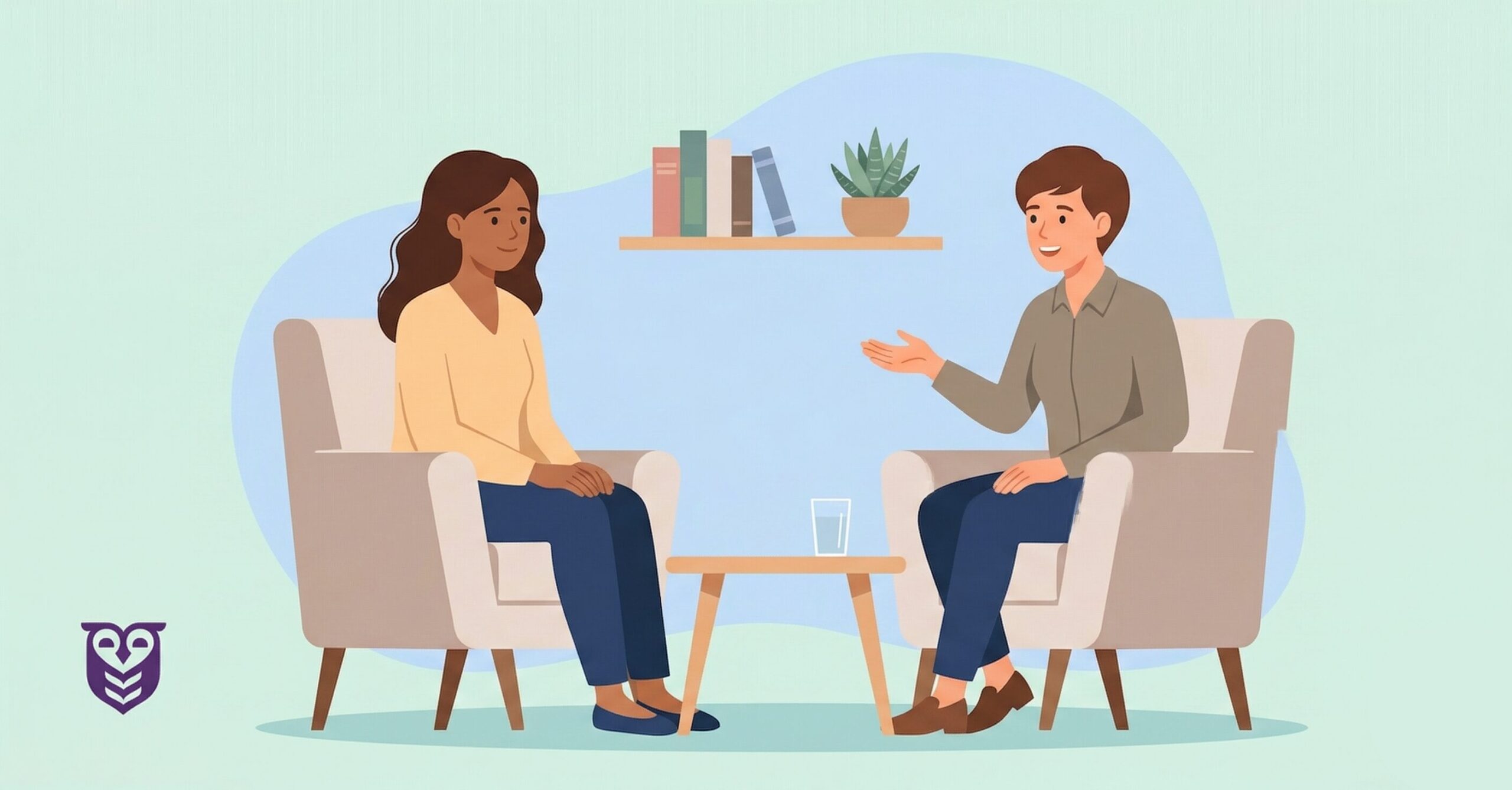
It’s natural to wonder if you should try therapy or start medication. In reality, mental health conditions have both psychological and biological aspects, so addressing both often leads to the best outcomes. Think of it like treating a broken leg – you might need a cast and physical therapy. Medication can provide stability (like the cast) by alleviating acute symptoms, while therapy helps you build strength and skills (like rehab exercises) for long-term healing. Research supports this combined approach: for example, in depression treatment, adding psychotherapy to medication led to better improvement than medication alone. And in general, more severe or persistent cases often require both – the therapy to develop coping strategies and the medication to correct biological imbalances and manage symptoms.
Importantly, treatment is highly individualized . Some people with mild or moderate depression or anxiety, might find therapy alone is enough to significantly improve their mood. In fact, if symptoms are mild, there’s an excellent chance psychotherapy by itself can help you recover. However, as symptoms become more severe, medication tends to play a bigger role. Severe depression or conditions like bipolar disorder and schizophrenia almost always require medication as a cornerstone of treatment to stabilize symptoms, with therapy as a crucial adjunct for coping and relapse prevention. For example, bipolar disorder patients generally do best with both mood-stabilizing medication and regular therapy sessions to help manage stress and triggers. In other words, it’s not about picking sides in a “therapy vs. meds” debate – it’s about finding the right balance for you.
How Therapy Works (Talk-Based Healing)
Psychotherapy: whether it’s cognitive-behavioral therapy (CBT), talk counseling, or another modality – is far more than “just talking.” In therapy, a trained mental health professional works with you to identify and change troubling emotions, thoughts, and behaviors. Therapy is a highly personalized experience: your therapist tailors the approach to your specific situation, helping uncover root causes of your struggles and providing a safe, supportive space to work through them. Over time, therapy builds lasting skills. For example, if you have anxiety, a therapist might teach you breathing techniques, mindfulness exercises, and ways to challenge anxious thoughts. If you’re dealing with depression, therapy can help you set small goals, re-engage in activities you used to enjoy, and reframe negative thinking patterns. These talk-based strategies address underlying issues rather than just surface symptoms, which can lead to profound personal growth and long-term resilience.
Crucially, therapy equips you with coping tools you carry with you for life. You learn how to handle stress, regulate your emotions, and navigate relationships in healthier ways. Even after therapy ends, those skills remain in your toolkit whenever life gets tough. In essence, therapy treats the person, not just the diagnosis – it empowers you to understand yourself better and make positive changes from within. And while progress can take time, many people find the journey of self-discovery in therapy deeply rewarding. There are also many formats available (individual, group, family therapy, etc.), so you can find a setting that feels most comfortable.
How Medication Works (Biological Support)
Mental health medications (such as antidepressants, anti-anxiety drugs, mood stabilizers, etc.) work on the brain’s chemistry to relieve symptoms. Unlike therapy, which focuses on thoughts and behaviors, medication is thought to address the biological facet of mental illness – for instance, correcting imbalances in neurotransmitters (brain chemicals) that affect mood and stress. For example, common antidepressants like Prozac or Zoloft impact the serotonin receptors in the brain to help increase serotonin levels, which can improve depression symptoms by “resolving chemical imbalances” that contribute to low mood. In cases of anxiety disorders, medications can calm overactive “fight or flight” signals, helping to quiet the constant alarm bells in the brain. The goal of good psychiatric medication is not to change who you are or to “numb” you – it’s to restore your brain’s natural function so that you can feel like yourself again and function normally.
One advantage of medication is that it can work relatively quickly on symptoms. Many people notice improvements within a few weeks of starting an appropriate medication, which can be a relief if you’re struggling with intense depression or crippling anxiety. By reducing symptoms, medication can give you the boost needed to get out of bed, go to work, or participate in therapy more effectively. It’s important to understand that psychiatric medications manage symptoms – they’re not cures for the underlying causes of mental illness. Much like insulin helps manage diabetes, these medications help manage conditions like depression, anxiety, or bipolar disorder as part of an overall treatment plan. They work best under the guidance of a medical professional, and finding the right medication and dosage can take some trial and error. It’s perfectly normal if the first medication you try isn’t the best fit; providers often need to adjust doses or try a different medications to minimize negative side effects and maximize benefits. Patience is key during this process. Always communicate with your provider about how you’re feeling on a medication.
Comparing Effectiveness for Different Conditions
Depression: For mild to moderate depression, psychotherapy (such as CBT or interpersonal therapy) can be as effective as antidepressant medication. In fact, many people with mild depression prefer to start with therapy since it has no drug side effects and can provide long-term strategies for preventing recurrence. However, in moderate to severe depression, especially when daily functioning is significantly impaired, antidepressant medication is often recommended sooner rather than later. Studies show that combining medication with therapy is often the most effective approach for serious depression. One analysis of 25 studies found that therapy plus medication helped more people than medication alone. Additionally, combination treatment can reduce the chance of depression coming back: in one trial with older adults, 80% of those who received both an antidepressant and monthly therapy avoided relapse, compared to only 57% of those on medication alone. The takeaway? If symptoms are mild, therapy may suffice; if they are severe or not improving, adding medication (or vice versa) can boost your recovery.
Anxiety Disorders: The two main treatments for anxiety are therapy and medication, and many individuals benefit from both. Approaches like CBT are highly effective for anxiety – in fact, research suggests CBT can be just as effective as medication for mild to moderate anxiety disorders. Therapy helps you learn to confront fears gradually (exposure therapy) and gain control over anxious thought patterns, which provides lasting relief. Medications (such as SSRIs or short-term use of anti-anxiety meds) can reduce symptoms like panic attacks, excessive worry, and insomnia. If your anxiety is severe – for example, panic disorder that prevents you from leaving home – a medication can calm your nervous system enough that you can engage in therapy and daily activities more easily. For many with anxiety, the best outcome is achieved by using medication to get symptoms under control in the short term while doing therapy to build long-term coping skills. Over time, some people are able to taper off medication under their doctor’s guidance and maintain their anxiety management with the strategies learned in therapy.
Bipolar Disorder: Bipolar disorder almost always requires medication (such as mood stabilizers or antipsychotics) as the foundation of treatment. These medications help prevent the extreme mood swings of mania and depression. But medication alone is not enough – psychotherapy is recommended as an important adjunct treatment for bipolar. According to the National Alliance on Mental Illness, people with bipolar disorder function better when they receive both medication management and regular therapy sessions, compared to medication alone. Therapy (like cognitive-behavioral techniques or specialized bipolar therapies) can help bipolar patients recognize early signs of mood episodes, stick with their medications, regulate daily routines (sleep is a big one in bipolar), and cope with stress and relationship issues. This combined approach often leads to fewer relapse episodes and a better quality of life.
Other Conditions: For certain psychiatric conditions, medication is generally the primary treatment. For instance, schizophrenia and other psychotic disorders require antipsychotic medications to control hallucinations or delusions; therapy in these cases focuses on skills, support, and rehabilitation but cannot replace medication. On the other hand, some milder conditions or situational issues might be addressed with therapy alone (for example, grief, mild adjustment issues, or specific phobias can often be resolved through counseling techniques without any medication). Each condition – and each person – is unique. A qualified mental health professional can assess your situation and recommend the best treatment plan, which might start with one approach and later incorporate the other. There’s no shame in needing medication, and no shame in relying on therapy – these are simply tools to help you feel your best.
Pros and Cons of Therapy and Medication
Both therapy and medication have their advantages and drawbacks. Here’s a quick side-by-side look at what to consider:
Therapy – Pros:
- No medical side effects: Since therapy is a talk-based, non-drug treatment, you don’t have to worry about the physical side effects that medications can cause (like weight changes or dizziness). This makes therapy a very low-risk option to try first in many cases.
- Provides long-term coping skills: A major benefit of therapy is that it teaches you how to manage your mental health on your own. You learn valuable coping mechanisms, stress-reduction techniques, and problem-solving skills that continue to benefit you long after therapy ends. These skills help prevent future crises and can be applied to many areas of life.
- Addresses root causes: Therapy can delve into the underlying factors contributing to your condition – such as past traumas, family dynamics, or thought patterns – rather than just treating superficial symptoms. By working through root causes, therapy often leads to deeper healing and personal growth. Many people find that therapy improves their overall self-awareness and relationships, not just the initial issue that brought them in.
- Personalized and supportive: In therapy, you are the focus. Treatment is tailored to your needs and moves at your pace. You have a trained professional (your therapist) in your corner, providing empathy, guidance, and a safe space to express yourself. This supportive therapeutic relationship itself can be healing, especially if you’ve felt alone with your struggles.
Therapy – Cons:
- Time and commitment: Therapy typically requires regular sessions (often weekly or biweekly) over a period of weeks or months to see substantial improvement. You have to invest time in attending sessions and doing any between-session “homework.” It’s not a quick fix – progress can be gradual. For individuals with busy schedules or in acute crisis, waiting weeks for relief can be challenging.
- Emotional effort: Working through your problems in therapy isn’t always easy. Discussing painful memories or facing uncomfortable emotions can be hard work. During the process, you might sometimes feel worse before you feel better, as therapy brings up issues you may have been avoiding. This emotional labor is ultimately rewarding, but it can be draining in the short term.
- Cost and accessibility: Depending on your insurance and location, therapy can be costly per session. While Athena Care accepts many insurance plans (making therapy more affordable for many in Tennessee), some people still worry about the financial aspect or finding a qualified therapist nearby. Additionally, therapy requires finding a therapist you click with, and sometimes it takes trying a couple of different providers to find the right match.
- Requires active participation: Therapy isn’t something that’s done to you – you have to be an active participant. That means being open, honest, and willing to try the strategies your therapist suggests. If someone isn’t ready to engage or doesn’t put in the effort, therapy may not be as effective. In short, you get out of therapy what you put into it.
Medication – Pros:
- Symptom relief can be fast: Medications often start to ease symptoms in a matter of weeks (or even days for certain anti-anxiety meds). This can be life-saving if you’re in a severe depressive episode or experiencing frequent panic attacks. Quick symptom relief means you might start sleeping better, thinking more clearly, and functioning day-to-day more easily while you work on longer-term recovery.
- Targets biological factors: Psychiatric medications directly affect brain chemistry by targeting neurotransmitters linked to mood and behavior. This biological impact is very helpful when conditions have a strong chemical component – for example, in major depression, the brain may be under-producing certain chemicals, and medication can help correct that. In other words, medication addresses physical aspects of mental illness that therapy alone might not fully resolve, much like how you’d take an antibiotic for a bacterial infection.
- Allows you to engage in life (and therapy): By reducing overwhelming symptoms, medication can give you a “foot in the door” to participate in things you’ve been avoiding. Many therapists note that clients on medication are more able to concentrate in sessions and practice new skills because, for instance, their crippling anxiety has eased up. Medication can thus complement therapy – it provides a foundation of stability so you can do the work in counseling and make lifestyle changes. (For many conditions, the combination of meds + therapy is more effective than either alone, as discussed earlier.)
- Convenience: Taking a pill is usually straightforward and doesn’t require a significant time commitment in the way therapy does. Aside from brief doctor’s visits for monitoring, medication management can often fit more easily into a busy schedule. And with telehealth and e-prescriptions, follow-ups for medication can sometimes be done remotely, making it a flexible option for many.
Medication – Cons:
- Side effects and health risks: All medications have potential side effects. Common ones for psychiatric meds can include nausea, fatigue, headache, changes in appetite or weight, sexual side effects, or sleep disturbances. Many side effects are mild and improve over time, but some can be bothersome or, in rare cases, serious. It can take time to find a medication that offers benefits without troublesome side effects, and you may need regular blood work or check-ins (for example, people on lithium for bipolar require periodic blood level checks). Always discuss side effect risks with your prescriber and report any severe or new symptoms.
- Trial-and-error in finding the right med/dose: There’s an art and science to prescribing. Not every person responds the same way to a given drug – you might have to try a different medication or adjust the dosage to get the desired effect. This process can take a few weeks or months of adjustments under medical supervision. It can be frustrating waiting for the “right” medication to kick in. During this period, you might still be dealing with symptoms or experiencing side effects. Patience and close collaboration with your provider are important here.
- Doesn’t solve underlying problems: Medication on its own typically only manages symptoms – it may not address underlying psychological issues or life stressors that contribute to the mental health condition. For example, an antidepressant can lift your mood, but it won’t automatically teach you how to cope with conflict or grief. Without some form of therapy or self-work, there’s a risk that once you stop the medication, the original issues could resurface. Relying solely on pills might feel like “putting a band-aid” on the problem to some people. This is why most doctors recommend therapy alongside medication, so you get the best of both: symptom relief and skills for lasting change.
- Potential for dependence or misuse: Some medications, particularly certain anti-anxiety drugs (like benzodiazepines), can lead to physical dependence if used long-term, meaning your body adapts and you might have withdrawal symptoms if you stop abruptly. Medications like stimulants (for ADHD) also need careful management to prevent misuse. Antidepressants are not addictive in the way recreational drugs are, but stopping them suddenly can cause discontinuation symptoms, so they should be tapered under a doctor’s guidance. The bottom line is that medications must be taken as prescribed, and you should never adjust your dose or quit cold turkey without medical advice. When properly used under supervision, the risks can be minimized – but it’s a commitment to take medication consistently.
- Stigma and personal feelings: Unfortunately, there is still some stigma in society about taking psychiatric medication. You might worry about “needing a pill” or what others will think. You might also personally feel like you’ve failed by resorting to medication – but let us assure you, taking care of your health is not failure or weakness. Using medication for a mental health condition is no more a sign of weakness than taking an inhaler for asthma or blood pressure pills for hypertension. It’s simply a tool to manage a health condition. Educating yourself (and loved ones) with facts can help combat this stigma. Remember, the goal is to feel better and live a healthy, fulfilling life, and you should use whatever tools help you get there.
Busting Common Myths
There are many myths out there about therapy and medication that can cause people to feel hesitant about seeking help. Let’s clear up two of the most common misconceptions:
- Myth: “Medication is a crutch – I should be able to handle this without pills.”
Fact: Medication is not a sign of weakness or a character flaw. In reality, medication can be a vital part of mental health treatment and well-being, just like how wearing glasses helps with vision or taking insulin manages diabetes. Needing medication simply means your brain chemistry could use some support – and that’s okay. Far from being a crutch that “enables avoidance,” the right medication can actually help you engage more fully in life and make the most of therapy. It’s a tool that, when used appropriately, can accelerate your healing, not hinder it. If you had a physical illness, you wouldn’t hesitate to take a proven medication – mental health is no different. There’s no shame in accepting help in the form of a prescription, if it improves your quality of life. - Myth: “Therapy is just paying to talk – it won’t actually solve anything.”
Fact: Therapy is not “just venting” or idle chit-chat with a counselor. A good therapist does much more than listen and nod; they use evidence-based techniques to help you make concrete changes. Therapists provide tools, strategies, and a structured process for you to navigate your challenges. It’s an active, collaborative treatment. Yes, you do talk in therapy – but the conversations have purpose. For example, a therapist might help you reframe negative thoughts, practice social skills through role-play, or learn coping exercises for panic attacks. Over time, therapy can lead to measurable improvements in symptoms and daily functioning. Numerous studies have shown that talk therapies work, creating positive changes in the brain and behavior similar to medication in many cases. So, therapy is definitely more than “just talking” – it’s a form of treatment that can produce lasting positive change.
By dispelling these myths, we hope you feel more empowered to seek the help you need. Whether that’s talking to a therapist, considering medication, or both, remember that mental health treatment is legitimate and effective – and asking for help is a sign of strength, not weakness.
Getting Personalized Advice and Next Steps (Athena Care Can Help)
Deciding on therapy, medication, or a combination is a personal decision that should be made with professional guidance. Everyone’s situation is different, and a mental health professional can assess factors like the severity of your symptoms, your medical history, and your preferences to craft a plan tailored to you. If you’re unsure where to start, consider scheduling an evaluation (which could be with a therapist, psychiatrist, or other qualified provider). They can explain your options in more detail and help you weigh the benefits and risks in your particular case.
For those in Tennessee, you have access to Athena Care’s compassionate team of experts who offer the full spectrum of mental health services. Athena Care employs a comprehensive team of care providers – from licensed therapists and psychologists to psychiatric nurse practitioners and doctors – all under one roof. This means you won’t be shuffled around; our clinicians collaborate to find the right mix of treatments for you. If therapy alone isn’t providing enough relief, our psychiatric providers can consult on medication options. And if you’re on medication, our therapists can simultaneously provide counseling so you build coping skills alongside it. We believe in a holistic approach that addresses all aspects of your well-being.
Athena Care has convenient clinics across Tennessee, making it easier to get help close to home. We have locations in Nashville, Memphis, Franklin, Murfreesboro, Hendersonville, Clarksville, and Knoxville, among others. Our clinics are in-network with most major insurance plans, and we even offer a free, confidential insurance verification to help you understand your coverage. In other words, we try to remove the obstacles so you can focus on getting better. Our friendly care coordinators are ready to answer your questions, match you with the right provider, and guide you through the process of starting therapy or medication management.
You don’t have to figure this out alone. If you’re wrestling with depression, anxiety, or any mental health concern, reach out – whether it’s to Athena Care or another qualified professional. Often the first step (making that call or sending an inquiry) is the hardest, but it can put you on the path to feeling like yourself again. Athena Care’s therapists and psychiatric providers in Tennessee are here to listen, help you explore your options, and support you every step of the way.
Your mental wellness is worth it. By understanding therapy and medication, and with the guidance of caring professionals, you can find the treatment plan that gets you on track to a happier, healthier life. Remember, there’s no “right vs. wrong” choice – only what works best for you. Don’t hesitate to seek the help you deserve.If you’re ready to take the next step, Athena Care is just a phone call away to answer questions or set up an appointment. We’re committed to helping you thrive, with whatever mix of therapy or medication it takes. You’re not alone, and healing is possible.
If you or someone you love would benefit from talking to a mental health provider in Tennessee, call or text:
877-641-1155
One of our Care Coordinators will help you get the care you need.

Ariel Newton, PMHNP-BC
Nurse Practitioner
Ariel is a board-certified psychiatric mental health nurse practitioner. She attained her Masters of Science in Nursing from Vanderbilt University, specializing in Psychiatry.

Meg Stein, CFP
Editor
Meg is a certified mindfulness instructor and works at Alive and Aware Practice in Durham, NC. She has over ten years of experience as a content creator and marketing consultant, working in mental healthcare and social justice.
Sources
- Harvard Health Publishing. (n.d.). Medication or therapy for depression, or both? https://health.harvard.edu/staying-healthy/medication-or-therapy-for-depression-or-both
- Mayo Clinic. (n.d.). Anxiety disorders – Diagnosis and treatment. https://mayoclinic.org/diseases-conditions/anxiety/diagnosis-treatment
- National Institute of Mental Health. (n.d.). Psychotherapies. https://nimh.nih.gov/health/topics/psychotherapies
- National Alliance on Mental Illness. (n.d.). Different types of therapy for bipolar disorder. https://nami.org/bipolar-and-related-disorders/different-types-of-therapy-for-bipolar-disorder
- Athena Care. (n.d.). Therapy treatment for depression. https://athenacare.health/conditions/depression/therapy-treatment
- Athena Care. (n.d.). Medication management. https://athenacare.health/services/medication-management
- OCD Delaware. (n.d.). Therapy vs. medication: Exploring the pros and cons. https://ocddelaware.com/blog/therapy-vs-medication–exploring-the-pros-and-cons
- Forsyth Psychiatric Associates. (n.d.). Mental health myth vs. fact. https://forsythpa.com/mental-health-myth-vs-fact
- IRIS Health Clinic. (n.d.). CBT therapy vs. medication: Which is better for anxiety? https://irishealthclinic.com/cbt-therapy-vs-medication-which-is-better-for-anxiety
- Athena Care. (n.d.). Our team: Clinicians. https://athenacare.health/about-us/clinicians