

April is Stress Awareness Month — and if you’re reading this, there’s a good chance you already know what stress feels like. The tight chest. The sleepless nights. The sense that you’re running on fumes. You’re not alone, and more importantly, you don’t have to stay stuck here.
Understanding what stress is actually doing to your body is a powerful first step. So is knowing when it’s time to get some professional support.
Your Body Was Built for Short Bursts of Stress — Not a Marathon
When something stressful happens, your brain’s hypothalamus sets off an alarm, triggering the release of hormones like adrenaline and cortisol. Your heart beats faster, your muscles tense up, and your senses sharpen. This is your body’s “fight-or-flight” response, and in short doses, it’s incredibly useful.
The problem starts when the stress doesn’t stop. According to the Mayo Clinic, the long-term activation of this stress response — and the sustained exposure to cortisol that comes with it — can disrupt nearly every system in your body.
Athena Care provider, Carmen Elkins, LPC-MHSP adds that, “There is a lot of discussion around adrenaline and cortisol production which has resulted in many people thinking that they are both ‘anxiety hormones’ and need to be avoided. In actuality, we need our cortisol and adrenaline responses to alert our bodies of actual danger. The over production of cortisol and adrenaline are what can become harmful. This is when your body becomes stuck in the ‘fight or flight’ response.”
What Chronic Stress Is Doing Right Now
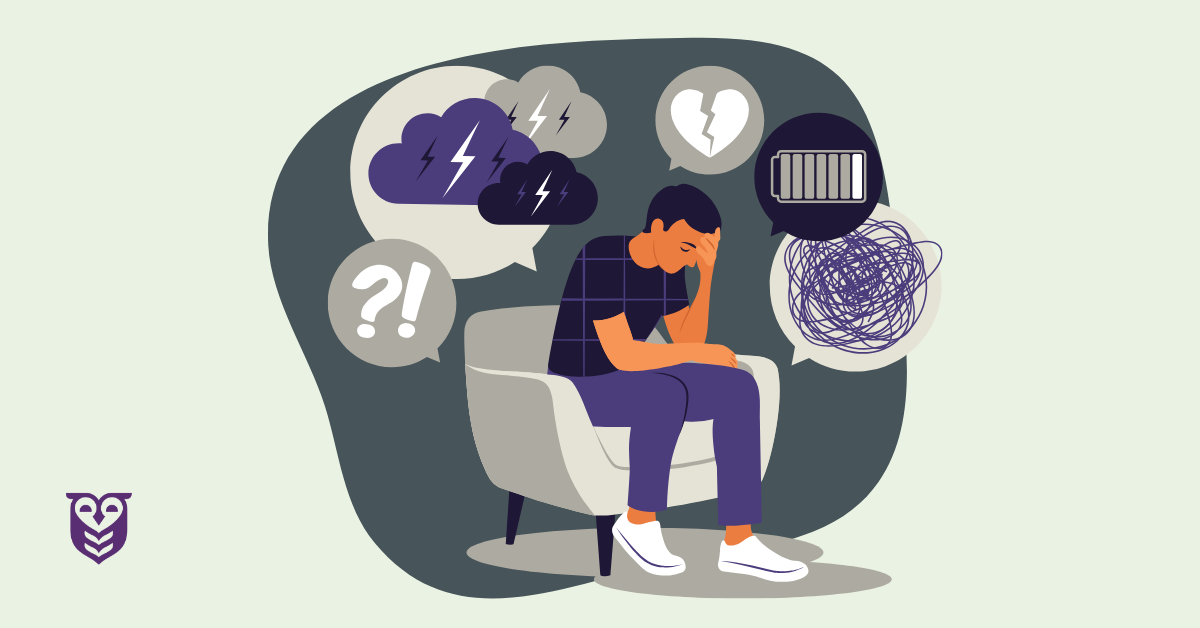
Your heart and blood vessels. Stress keeps your body in a constant state of high alert. Over time, this drives up blood pressure, contributes to inflammation, and damages blood vessels. The University of Florida’s medical physiology program notes that prolonged elevated cortisol can lead to atherosclerosis (plaque buildup in the arteries), raising the risk of heart attack and stroke.
Your brain. This one surprises a lot of people. Chronic stress doesn’t just make it harder to think clearly in the moment — research from the University of Maryland Medical System found that over time, chronic stress can actually shrink parts of the brain that control learning and emotional balance. Memory problems, difficulty concentrating, increased anxiety, and depression are all documented effects of long-term stress exposure.
Your immune system. The CDC confirms that when stress becomes chronic, it can lead to worsening health problems. Healthline, citing peer-reviewed research updated in 2025, adds that people under chronic stress are more vulnerable to viral illnesses like colds and flu, and take longer to recover from injuries and infections.
Your gut. The brain and the digestive system are deeply connected. Chronic stress disrupts digestion, can cause nausea and bloating, changes your appetite, and has been linked to conditions like irritable bowel syndrome (IBS).
Your emotional life and relationships. Stress makes you more irritable, more withdrawn, and more likely to feel overwhelmed by ordinary tasks. Research published in Frontiers in Psychology in 2024 found that chronic stress is closely associated with anxiety, depression, poor sleep, and unhealthy eating habits — all of which make the original stress worse.
Your biological age. Here’s something sobering: chronic stress speeds up the shortening of telomeres, the protective caps on your chromosomes. This accelerates cellular aging, meaning long-term stress can make your body function as if it’s older than it actually is.
“The nervous system determines a lot for our bodies,” says Carmen. “When our bodies are functioning in a state of survival (fight or flight), they skip over things that our bodies need. For example, the survival function of our brain will send signals to the body to slow down our hunger cues. When fleeing an actual dangerous situation, our bodies don’t need to stop and eat or stop and rest. But when our bodies are constantly functioning at this level, it disrupts our entire systems, resulting in significant health issues that cause the body to slow down whether we want it to or not.”
The Signs You May Need More Than Self-Care
Managing stress with exercise, sleep, and time with friends is genuinely helpful. But there’s a point where those tools aren’t enough — and that’s not a personal failure. It’s just a signal that you need a different kind of support.
A November 2024 review on Healthline puts it plainly: occasional stress you can manage on your own isn’t necessarily a concern. But if stress is regularly interfering with your life and you feel overwhelmed, it’s time to seek help.
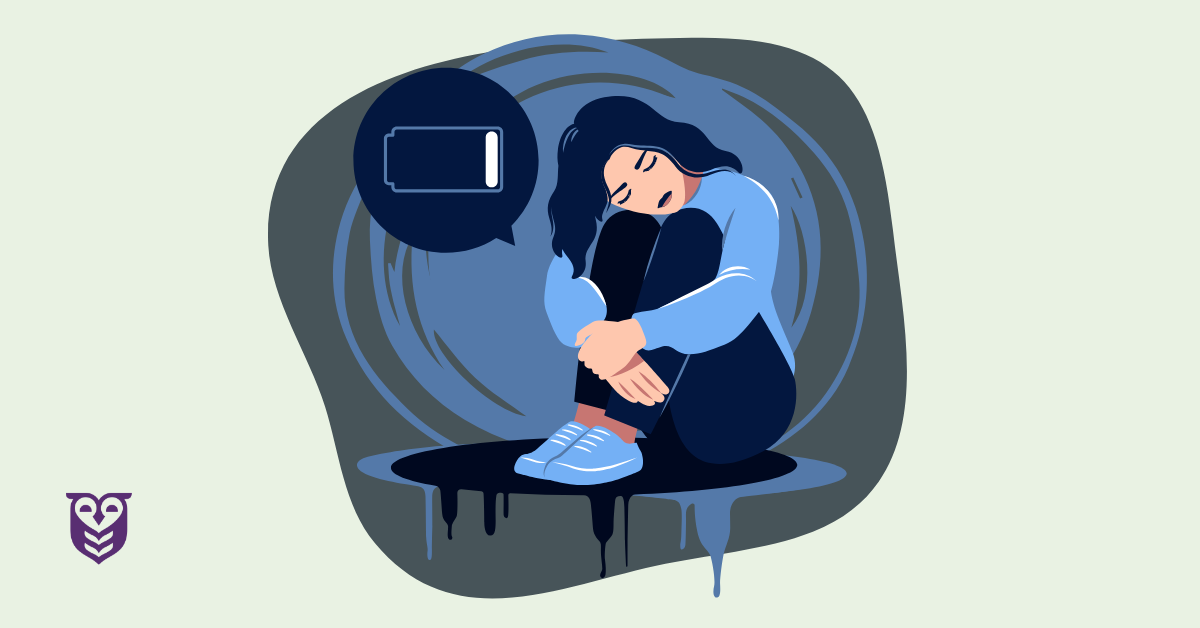
Here are clear signals that professional support would help you:
- Your daily functioning is affected. You’re struggling to show up at work, maintain relationships, or handle basic tasks.
- Your sleep has changed significantly. You can’t fall asleep, stay asleep, or you’re sleeping far more than usual.
- You feel persistently sad, anxious, or hopeless. These feelings have lasted for weeks and don’t seem tied to any one situation.
- Your body is sending signals. Chronic headaches, stomach problems, frequent illness, or unexplained pain that your doctor hasn’t been able to fully explain.
- You’re coping in ways that worry you. Using alcohol, food, or substances to get through the day is a sign that your stress load has exceeded your current tools.
- You don’t feel like yourself. Big changes in your personality, energy, or motivation — especially ones that others have noticed — matter.
You don’t need to be in crisis to benefit from therapy. Talkspace notes in their 2025 guidance that many people seek therapy when daily stress starts interfering with routines, relationships, or sleep — well before things reach a breaking point.
“Therapy is a beneficial tool for adding support to our lives,” says Carmen. “Cultivating a therapeutic space for oneself when stress is low helps to build the tools to use for stress before it’s at its peak.”
Getting Help Is a Sign of Strength, Not Weakness
The research is clear that effective help exists. A comprehensive 2024 review in the International Journal of Environmental Research and Public Health evaluated more than 200 studies and found that behavioral stress reduction programs — including cognitive behavioral therapy (CBT), mindfulness-based stress reduction (MBSR), and other therapeutic approaches — have real potential to reduce stress-related health outcomes and even reverse some of its effects.
If you’re ready to take a step, start with your primary care doctor — they can rule out physical contributors to your symptoms and refer you to a mental health professional. You can also use the American Psychological Association’s free therapist locator at apa.org, or ask your insurance company for a list of in-network providers. Many therapists offer sliding scale fees if cost is a concern.
Stress is real, it’s physical, and it compounds over time. But it also responds to treatment. Consider giving yourself the same care you’d give anyone else you love who was struggling. You deserve to feel better — and with the right support, you can.
Carmen adds that, “Therapies such as Somatic Experiencing and other body-based approaches benefit nervous system regulation by targeting the physical sensations and expanding one’s ability to regulate their systems on their own outside of therapy.”
If you or someone you love is would benefit from mental healthcare support, we are here to help. You can contact Athena Care’s clinics (open Monday–Friday, 7am–6pm) to learn more. Remember, help is available; you and your family don’t have to face mental health challenges alone.
To learn more about different options for mental healthcare, you fill out this short contact form, or call/text us at +1 877-641-1155 or email [email protected].
Contact us today
If you or someone you love would benefit from talking to a mental health provider in Tennessee, call or text:
877-641-1155
One of our Care Coordinators will help you get the care you need.

Carmen Elkins, LPC-MHSP
Licensed Professional Counselor – Mental Health Service Provider
Carmen Elkins provides inclusive, affirming, and trauma-informed therapy. Her work is guided by empathy, curiosity, compassion, and a deep commitment to social justice and cultural sensitivity.

Meg Stein, CFP
Editor
Meg is a certified mindfulness instructor and works at Alive and Aware Practice in Durham, NC. She has over ten years of experience as a content creator and marketing consultant, working in mental healthcare and social justice.
Sources:References
Centers for Disease Control and Prevention. (2025, June 10). Managing stress. U.S. Department of Health & Human Services. https://www.cdc.gov/mental-health/living-with/index.html
Cherney, K. (2024, November 19). Therapy for stress: What works, who to work with, and destressing ASAP. Healthline. https://www.healthline.com/health/stress/therapy-for-stress
Frontiers in Psychology Editorial Team. (2024, August 8). Editorial: The interplay of stress, health, and well-being: Unraveling the psychological and physiological processes. Frontiers in Psychology, 15, Article 1471084. https://doi.org/10.3389/fpsyg.2024.1471084
Mayo Clinic. (n.d.). Chronic stress puts your health at risk. https://www.mayoclinic.org/healthy-lifestyle/stress-management/in-depth/stress/art-20046037
Pietrangelo, A. (2025, July 1). The effects of stress on your body. Healthline. https://www.healthline.com/health/stress/effects-on-body
Shchaslyvyi, A. Y., et al. (2024). Comprehensive review of chronic stress pathways and the efficacy of behavioral stress reduction programs (BSRPs) in managing diseases. International Journal of Environmental Research and Public Health, 21(8), Article 1077. https://doi.org/10.3390/ijerph21081077
Talkspace. (2025, September 16). Do I need therapy? 16 signs to consider. https://www.talkspace.com/blog/do-i-need-therapy/
University of Florida College of Public Health and Health Professions. (2025, January 22). Stress and life expectancy: How does one impact the other? UF Medical Physiology Online. https://online.aging.ufl.edu/2025/01/22/stress-and-life-expectancy-how-does-one-impact-the-other/
University of Maryland Medical System. (2025, August 26). How long-term stress affects your body — and how you can fight back. UMMS Health. https://health.umms.org/2025/08/26/how-long-term-stress-affects-your-body/