

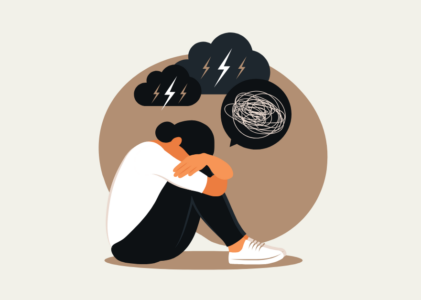
You already know what stress and anxiety feels like. But knowing the difference between them helps you find the right kind of care.
Athena Care therapist, Taylor Kemp, LPC-MHSPt shares that, “Stress and anxiety feel almost identical from the inside. The difference is what’s driving it and that difference matters because they don’t respond to the same things. Guessing wrong just means staying stuck longer.”
What Is Stress?
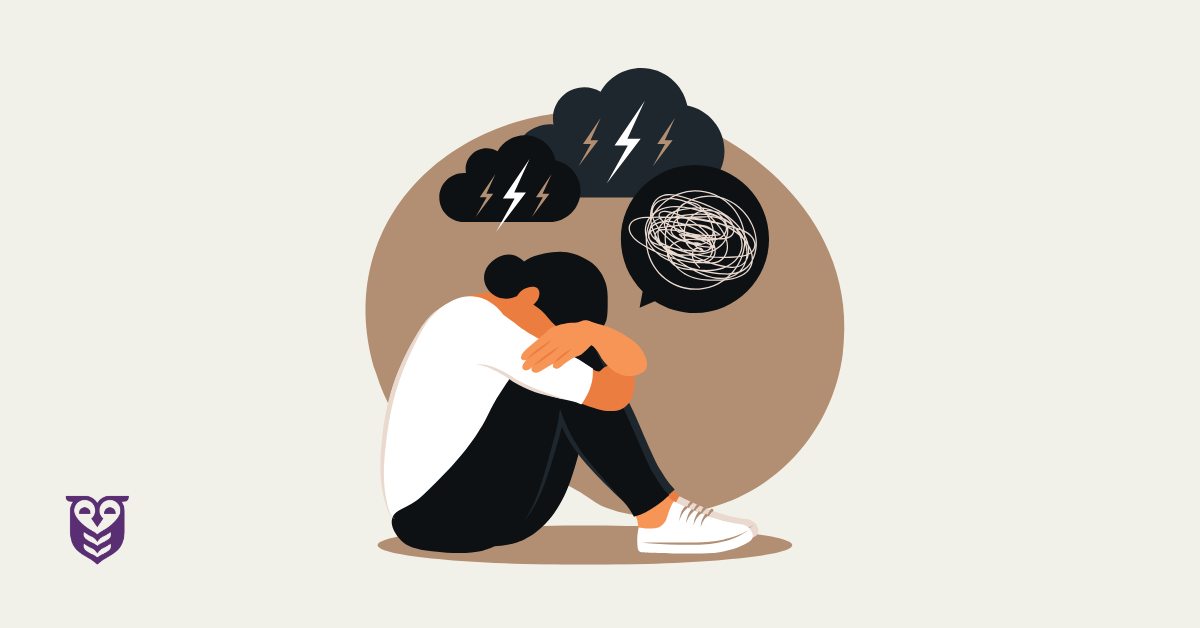
Stress has a cause you can name. A deadline. A difficult relationship. A financial crunch. A health scare. According to the American Psychological Association, stress is a response to an external trigger — something outside of you that is creating pressure. When the situation resolves, the stress typically eases up too.
That’s the key feature of stress: it’s connected to something real and specific. It can feel overwhelming in the moment, but there’s a reason for it, and it has a natural endpoint.
Stress isn’t all bad, either. In small doses, it keeps us focused and motivated. It’s only when stress becomes chronic — when the pressure never lets up — that it starts doing real damage to your body and mind.
What Is Anxiety?
“Here’s what I see all the time: someone’s been white-knuckling it for months, waiting for the stressor to go away,” shares Taylor. “But anxiety doesn’t work like that. It outlives the thing that started it. That’s not a character flaw but it’s just how the nervous system works.”
Anxiety feels similar to stress, but it works differently. According to the National Institute of Mental Health (NIMH), anxiety is your body’s reaction to stress — and it can persist even when the original stressor is gone, or when there’s no clear threat at all.
“Anxiety doesn’t care that the stressor is gone,” says Taylor. “It already learned the pattern. And you cannot think your way out of a pattern your body has memorized. That’s not a willpower problem. That’s a wiring problem, and wiring can be fixed.”
That’s the critical difference. With anxiety, the alarm system in your body keeps firing even when there’s nothing to sound the alarm about. As Dr. James Hunziker of the University of Utah Health explains, anxiety is “a persistent feeling of worry, fear, and unease that sticks around all of the time” — and unlike stress, it isn’t always linked to a specific trigger.
This is why anxiety can feel so disorienting. You might be sitting quietly, doing nothing stressful, and suddenly feel like something terrible is about to happen. That’s not weakness or irrationality. It’s your nervous system misfiring.
The Symptoms Look Similar
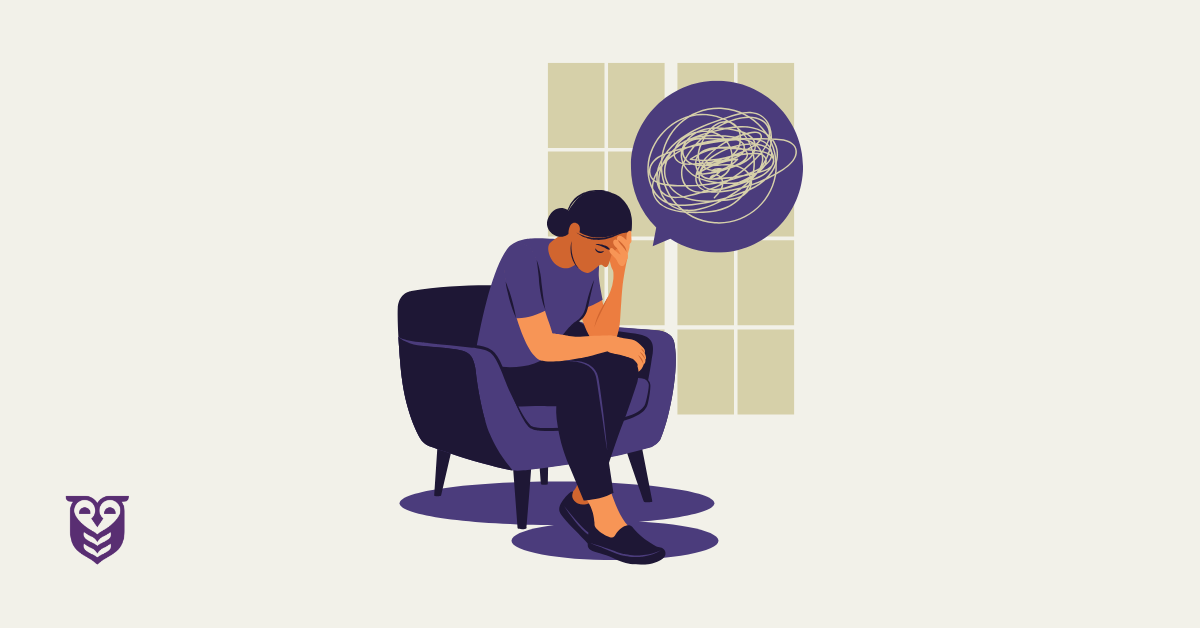
Both stress and anxiety can cause irritability, fatigue, difficulty concentrating, muscle tension, changes in sleep, and digestive problems. This overlap is exactly why people confuse them so often.
The difference shows up in duration and source. Stress tends to be short-term and tied to identifiable events. Anxiety lingers — sometimes for months — and can feel like it has no cause at all. According to SingleCare’s 2025 review of clinical research, anxiety is specifically characterized by “persistent, excessive worries that don’t go away even in the absence of a stressor.”
Anxiety can also produce more intense physical episodes. The Vaya Health mental health resource center notes that anxiety can escalate into panic attacks — sudden surges of fear that mimic heart attack symptoms, including chest tightness, sweating, and shortness of breath. Stress rarely goes that far.
Taylor offers this framework, “Your body is not broken. It’s trying to get your attention. Anxiety is the smoke alarm. It’s loud and it’s annoying and it absolutely will not stop until you figure out what’s actually on fire.”
When Stress Becomes Anxiety
Chronic stress can actually create anxiety. When your body stays in a state of high alert for a long time, it can trigger chemical changes in the brain that take on a life of their own. In other words, the more you let stress pile up without addressing it, the more likely it is to develop into something harder to shake.
This is one of the best arguments for getting help early — before stress has a chance to become a clinical anxiety disorder.
So, Do You Need Professional Help?
Here’s an honest answer: if you’re reading this article, there’s a good chance the answer is yes — at least worth finding out.
The NIMH offers a straightforward test: ask yourself whether your symptoms are interfering with your everyday life, causing you to avoid things, or seem to be always present. If the answer to any of those is yes, that’s a clear signal it’s time to talk to someone.
You don’t need to wait for a crisis to see a therapist. Many people seek help simply because daily stress, anxiety, or sadness has started interfering with their routines, relationships, or sleep.
And here’s the good news: whether you’re dealing with stress or clinical anxiety, treatment works. Cognitive behavioral therapy (CBT) is one of the most effective and widely used approaches for both. Medication is available for anxiety disorders and can be highly effective. Lifestyle changes — exercise, sleep, reduced caffeine and alcohol, social connection — help across the board.
The Metropolitan Behavioral Health organization notes that understanding the difference between stress and anxiety “is essential for recognizing what you’re feeling and seeking the appropriate treatment.” A mental health professional can make that determination with you, clearly and without judgment.
The Bottom Line
Stress has a cause you can point to, and it tends to ease when the cause does.
Anxiety lingers, often without a clear reason, and can interfere with your ability to function day to day.
“Stress asks you to solve something. Anxiety convinces you everything is unsolvable. If you’ve lost the ability to tell the difference, that’s not you being dramatic,” encourages Taylor. “That’s a really good reason to call someone.”
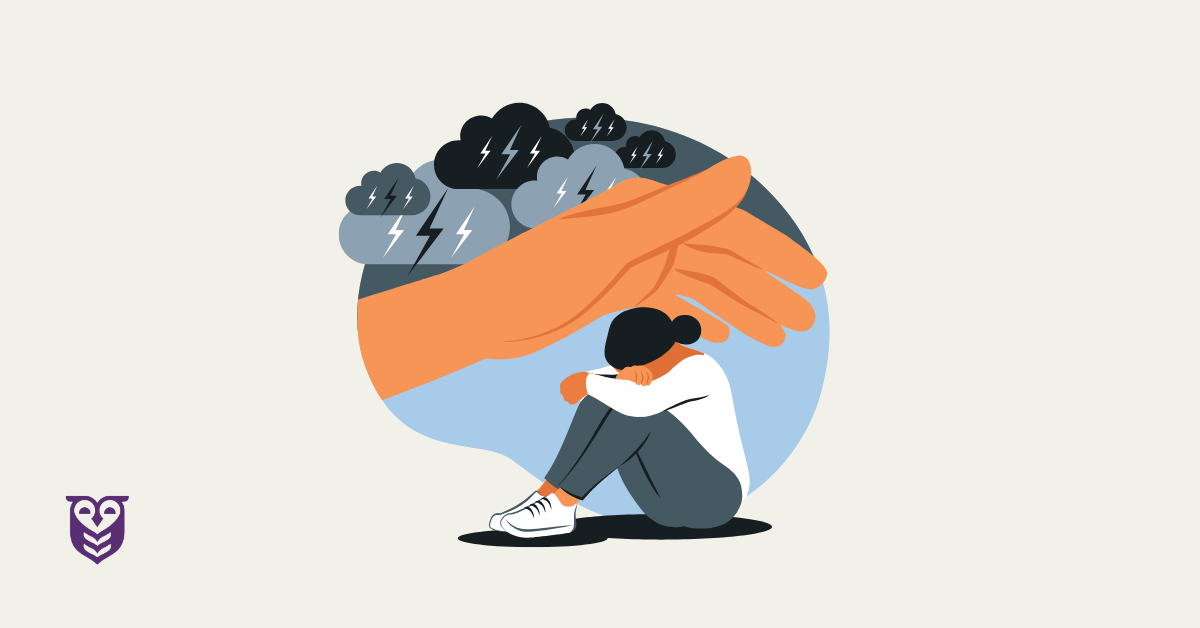
Both are treatable. Neither is a personal failing. And reaching out for help is not a sign that something is seriously wrong with you — it’s a sign that you’re paying attention.
“We keep waiting until things get bad enough to ask for help. Meanwhile, the problem’s just been sitting in your house getting comfortable. You don’t wait until your check engine light’s been on for six months to take the car in. Don’t do that with your brain either.”
You don’t have to keep feeling this way. Help is available, and it works.
How to Get Help
If you’re unsure where to start, your primary care doctor is a good first call. You can also reach a mental health professional through your insurance, a telehealth service, or a community mental health center. If you’re in crisis, you can call or text 988 to reach the Suicide and Crisis Lifeline, which supports mental health crises of all kinds — not just suicidal emergencies.
Athena Care offers therapy in person in multiple locations across Tennessee and over Telehealth for 35 states. If you or someone you love is would benefit from mental healthcare support, we are here to help. You can contact Athena Care’s clinics (open Monday–Friday, 7am–6pm) to learn more. Remember, help is available; you and your family don’t have to face mental health challenges alone.
To learn more about different options for mental healthcare, you fill out this short contact form, or call/text us at +1 877-641-1155 or email [email protected].
Contact us today
If you or someone you love would benefit from talking to a mental health provider in Tennessee, call or text:
877-641-1155
One of our Care Coordinators will help you get the care you need.

Taylor Kemp, LPC-MHSP Associate
Therapist
As a clinician, Taylor practices as a generalist, with a primary focus from a Person-Centered and Cognitive Behavioral approach. He has received training in Cognitive Behavioral therapy, Cognitive Processing Therapy, and in the treatment of compulsive sexual behaviors. He is passionate about helping others walk through grief, depression, anxiety, trauma, addiction, and stage of life issues. Taylor works with adolescents age 12+, teens, and adults.

Meg Stein, CFP
Editor
Meg is a certified mindfulness instructor and works at Alive and Aware Practice in Durham, NC. She has over ten years of experience as a content creator and marketing consultant, working in mental healthcare and social justice.
Sources:
American Psychological Association. (2022). What’s the difference between stress and anxiety? https://www.apa.org/topics/stress/anxiety-difference
Berger, K. (2025, March 31). Stress vs. anxiety: Compare causes, symptoms, treatments, & more. SingleCare. https://www.singlecare.com/blog/stress-vs-anxiety/
Hunziker, J. (2025, September 18). How to tell the difference between stress and anxiety. University of Utah Health. https://healthcare.utah.edu/the-scope/health-library/all/2025/09/how-tell-difference-between-stress-and-anxiety
Metropolitan Behavioral Health. (2025, March 14). Stress vs. anxiety: Recognize the difference. https://metropolitanbh.com/blog/stress-vs-anxiety-recognize-the-difference/
National Institute of Mental Health. (n.d.). I’m so stressed out! Fact sheet. U.S. Department of Health and Human Services. https://www.nimh.nih.gov/health/publications/so-stressed-out-fact-sheet
Talkspace. (2025, September 16). Do I need therapy? 16 signs to consider. https://www.talkspace.com/blog/do-i-need-therapy/
Vaya Health. (2025, September 12). Stress vs. anxiety — what’s the difference? https://www.vayahealth.com/news-and-stories/stress-vs-anxiety-whats-the-difference/