

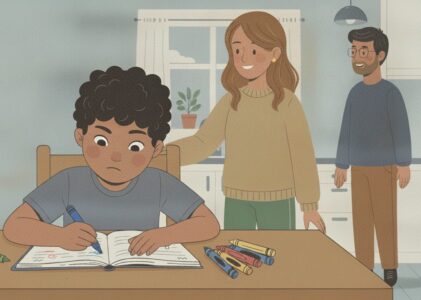
Neurodivergent children are not broken. They are not a neurotypical child with pieces missing. They are a whole person, wired differently, and that difference comes with genuine strengths worth understanding and building on.
This isn’t feel-good language. It’s where the research is heading. The neurodiversity paradigm treats conditions like ADHD, autism, dyslexia, and dyspraxia as natural variations in how brains work rather than defects to be corrected. Roughly one in six to one in five people worldwide is neurodivergent. Cognitive variation is the norm in human populations, not the exception.
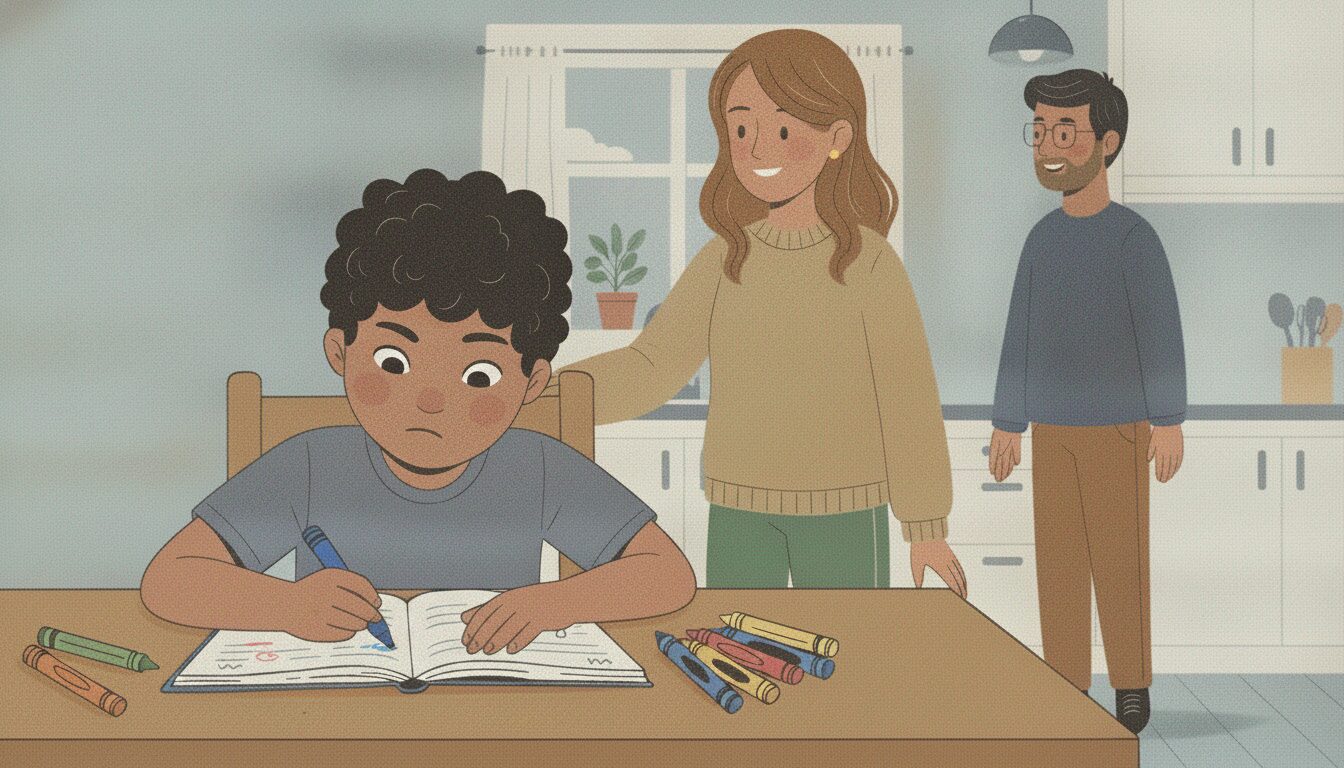
Strengths are real, not a consolation prize
Athena Care psychologist Dr. Leigh Van Horn, Ph.D. says, “Look at the leaders of almost all industries and you will find neurodivergent individuals that have harnessed their passionate interests, sensory differences, and outside of the box thinking into meaningful and thriving careers. Schools, companies, and families benefit from their inclusion.”
It’s easy to hear “everyone has strengths” as a polite way of softening bad news. But the strengths tied to neurodivergence are specific and documented. People with neurodivergent traits often excel at pattern recognition, attention to detail, and complex problem-solving. Autistic thinkers frequently bring deep focus and originality; many people with ADHD show creativity, energy, and an ability to hyperfocus on things that grip them.
Here’s the part that matters most for you as a adult in this child’s life. Research has found that awareness and active use of these strengths is linked to better wellbeing and quality of life in autistic and ADHD individuals. In other words, it isn’t enough for a strength to simply exist. When a person knows what they’re good at and gets to use it, their mental health improves. That gives you something concrete to do.
Why the deficit lens is worth dropping
For decades, neurodivergence was viewed through a medical model focused on individual deficits and dysfunction. The problem isn’t that challenges aren’t real — they are. The problem is that a deficit-only story becomes the story a child tells about themselves.
“It is important that caregivers validate the significant strengths and the challenges associated with having a neurodivergent brain in a predominantly neurotypical world,” says Dr. Van Horn.
Autistic adults and adults with ADHD do carry higher odds of anxiety and depression than neurotypical peers. But a growing body of work suggests much of that distress comes from the mismatch between a differently-wired brain and environments designed for the neurotypical majority — not from something inherently wrong with the person. When we change the environment and honor the wiring, outcomes improve.
There’s a caution here too. A strengths-based approach shouldn’t tip into pressure. When “neurodivergent superpowers” become an expectation, kids who don’t fit the gifted-savant image can feel like they’re failing twice over. Whether you’re a parent, a caregiver, a teacher, or another adult in a neurodivergent child’s life, you can celebrate that child’s actual strengths.
What this looks like in practice
Name the strength out loud. Studies show that clear, affirming information about how their brain works reduces confusion, increases self-acceptance, and improves how neurodivergent young people communicate about themselves. Tell your child specifically what you notice: “You spotted that pattern before anyone else.” Specific beats generic.
Build the day around the wiring, not against it. “Children (and adults) who tend to be overwhelmed after masking all day and living in a high sensory world, benefit from downtime or time with special interests at the end of the day,” says Dr. Van Horn.
If your child hyperfocuses, protect blocks of uninterrupted time. If transitions are hard, build in warnings and routines. You’re removing mismatch, not lowering standards.
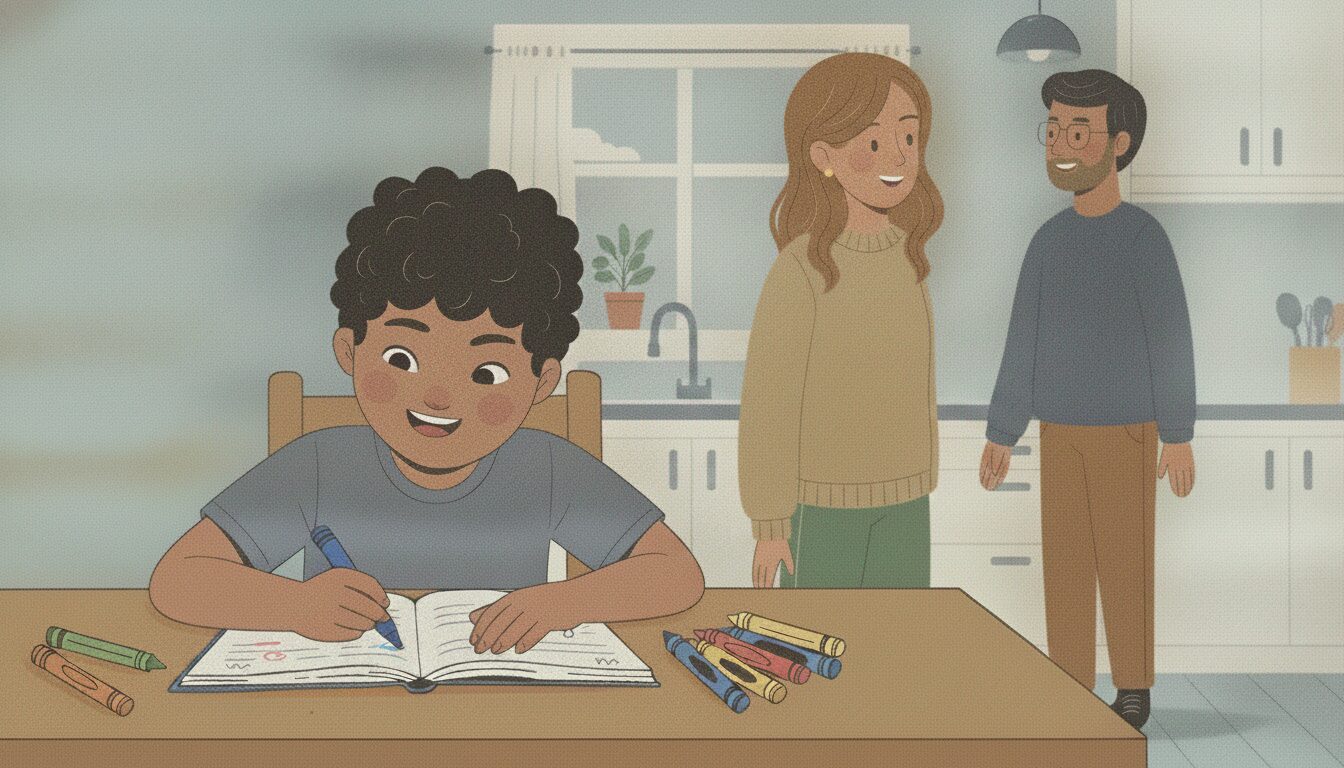
Let strengths carry the weak spots. A child who loves systems can use a checklist to manage the executive-function tasks they find draining. Strengths become scaffolding for challenges.
Find their people. “Research shows that neurodivergent people often do not struggle with communicating with others who share a similar brain type,” says Dr. Van Horn. “Neurodivergent children can often find their people when given opportunities to interact with peers who share their special interests.”
Strengths-affirming environments and communities are associated with better self-esteem and reduced stigma. Clinicians and researchers, including those at the Stanford Neurodiversity Project, are increasingly designing programs around what neurodivergent people can do rather than only what they struggle with.
Hold both truths at once. Your child can need real support and be genuinely capable. Those aren’t in tension. Requiring help with one thing says nothing about their worth or their gifts.
The bottom line
Your job isn’t to fix your child. It’s to help them understand their own mind, use what they’re good at, and grow up in an environment that fits. That work is optimistic and practical at the same time — and the evidence says it pays off in the currency that matters most, which is your child’s wellbeing.
They are already whole. Your task is to help them see it.
If any of the above resonated with you or someone you love, reach out to Athena Care so we can help. You can contact us by filling out this short form or call/text us at +1 877-641-1155 or email [email protected].
Contact us today
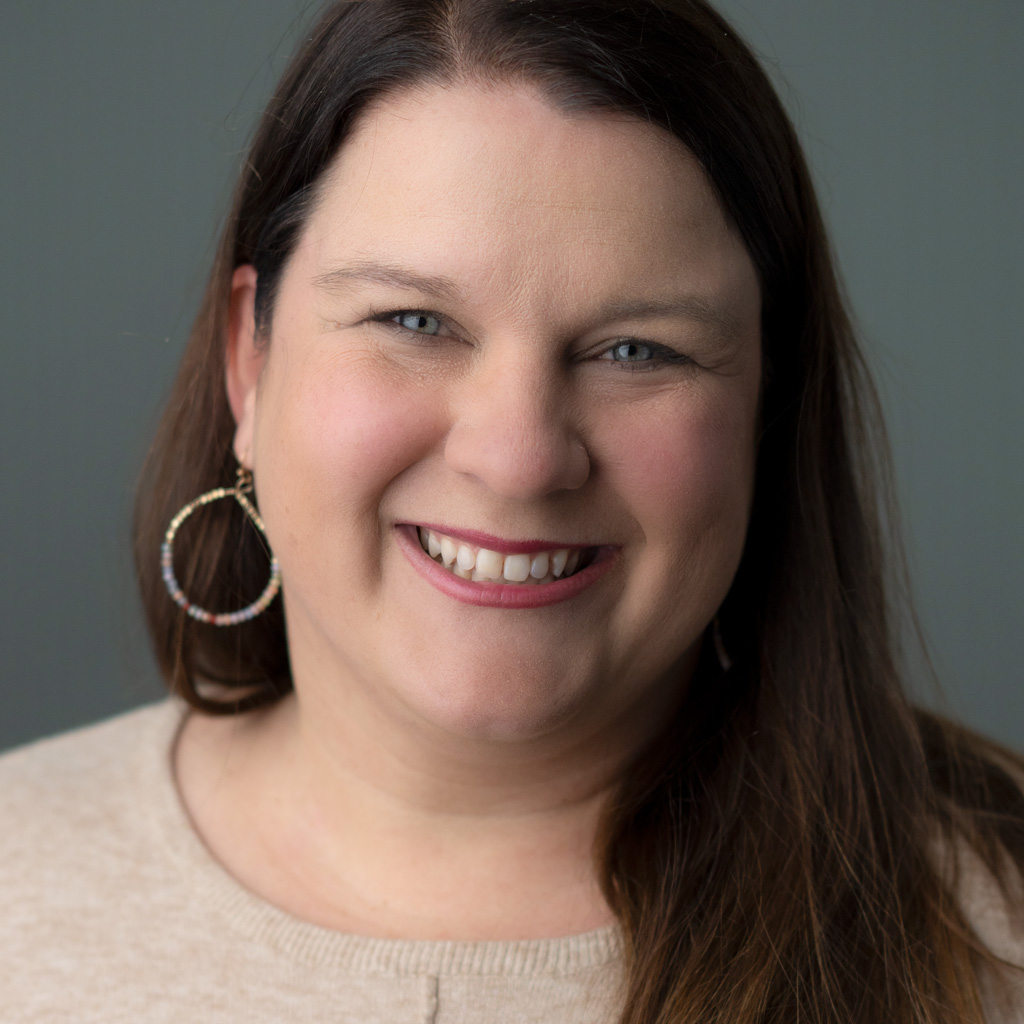
Dr. E. Leigh Van Horn, Ph.D.
Licensed Clinical Psychologist
Dr. Van Horn is a licensed clinical psychologist providing individual and couples therapy as well as assessment for ADHD/LD, personality disorders, and a variety of other psychological and neuropsychological disorders. She earned her PhD from Tennessee State University and completed her internship and postdoctoral residency at Vanderbilt University’s Psychological and Counseling Center.
Meg Stein, CFP
Editor
Meg is a certified mindfulness instructor and works at Alive and Aware Practice in Durham, NC. She has over ten years of experience as a content creator and marketing consultant, working in mental healthcare and social justice.
Sources:
Powell, L., & Bradley, S. (2025). Helping Young People Find the Words: Exploring the Impact of Psychoeducational Materials for Neurodivergent Young People. SAGE.
Survey of knowledge and perceptions of ADHD and autism spectrum disorder in the workplace at a large corporation. (2025). Scientific Reports (Nature). https://www.nature.com/articles/s41598-025-17470-8
Hargitai, L. D., et al. (2026). Neurodiversity and mental health in adulthood: exploring the unique contributions of autism and ADHD to internalising problems. Scientific Reports (Nature).
Kidwell, K. (2025). ADHD and autism in Neurocognitive Mismatch Theory. Frontiers in Psychology, 16, 1617192.
Fung, L. K., et al. (2024). Strengths-based programming, Stanford Neurodiversity Project, Stanford Medicine.
Understood / Kantar MONITOR. (2025). Spotlight on Neurodiversity.