

Autism awareness has grown enormously over the past decade, but awareness and accuracy haven’t always grown together. Many people carry outdated or flatly wrong ideas about what autism is and who autistic people are.
That gap matters: misconceptions shape how autistic people are treated at school, at work, in healthcare, and in their own families. Here are some of the most persistent myths — and what current research and clinical guidance actually say.
Wondering if you have autism? Jump to a short, self-assessment screening.
Myth 1: Autism is a disease that needs to be “cured” — and something must have caused an epidemic of it.
Autism is not an illness. It’s a lifelong neurodevelopmental difference, and there is no cure because there is nothing to cure — autistic brains are wired differently, not broken. Evidence-based therapies and educational supports can help autistic people build on their strengths.
Rising diagnosis rates — the CDC now estimates about 1 in 31 children aged 8 years has been identified with autism — reflect broader diagnostic criteria, better screening, and greater access to evaluation, not a sudden environmental “epidemic.” Notably, up to 90% of autism risk is now understood to trace to genetics. Claims linking autism to vaccines have been repeatedly and rigorously disproven; as the Autism Science Foundation has stated, no potential cause of autism has been studied more thoroughly than vaccines, and that research has consistently found no link between the two.
Myth 2: Autistic people lack empathy.
This is one of the oldest and most damaging stereotypes, and current research is dismantling it. The “double empathy problem,” a framework developed by autistic researcher Damian Milton, reframes social difficulty as a two-way mismatch rather than a one-sided deficit — it holds that social communication challenges arise between autistic and non-autistic people, rather than residing solely within the autistic individual. A 2024 empathic-accuracy study found that non-autistic participants were often less accurate at reading autistic people’s emotions than the reverse — suggesting the understanding gap runs in both directions, not from a deficiency in autistic people alone. Autistic people feel deeply; they often just express and process emotion differently than non-autistic norms expect.
Athena Care psychologist, Dr. Leigh Van Horn, PhD adds that, “For this reason, when autistic people find their people, often other neurodivergent folk, the communication difficulties are dramatically reduced if not eliminated.”
Myth 3: If an autistic person can “act normal,” they don’t really need support.
This misconception drives real harm. Many autistic people — especially those socialized as girls or diagnosed later in life — learn to mask or camouflage their traits to fit in, suppressing stims, forcing eye contact, and scripting conversations in advance. (Stims are short, self-regulating repetitive movements or sounds — like hand-flapping, rocking, or humming — that help someone manage emotions, focus, or sensory input.)
A recent mixed-methods study of employed autistic adults found that as many as 75% of autistic individuals report camouflaging to appear less autistic, and that this labor is linked to poor mental health, thwarted career advancement, and early job departure. Masking well isn’t the same as thriving — it’s often exhausting and can lead to burnout. Support needs shouldn’t be judged by how “visibly” autistic someone appears.
Dr. Van Horn adds that, “The level of support needed does vary, but even people with relatively fewer support needs can still experience significant distress from the challenges of navigating a predominantly neurotypical world.”
Myth 4: Autism looks the same in everyone, and it’s mainly a “boys’ condition.”
“Even assessment tools for diagnosing autism lag behind our developing understanding,” says Dr. Van Horn. “For this reason, when seeking assessment, it is important to verify that the evaluator is experienced and skilled in assessing autism, particularly in women.”
Autism is a spectrum in the truest sense — it shows up differently across individuals, genders, and cultures. The CDC confirms that autism occurs in all racial, ethnic, and socioeconomic groups, and while it’s diagnosed more often in boys, that gap is narrowing as clinicians get better at recognizing it in girls and women, who are frequently under-diagnosed because their presentation doesn’t match older, male-centered diagnostic models.
Seeing whole people
Underneath all of these myths is a single, corrosive idea: that autism is a list of deficits attached to a person, rather than a different way of experiencing and moving through the world attached to a whole human being — with humor, ambition, relationships, sensory richness, and a right to self-determination.
Autistic people are not puzzles to be solved or problems to be minimized; they’re students, coworkers, parents, artists, and neighbors who deserve accommodation, respect, and the presumption of competence, not pity or “fixing.” Progress happens when the world adjusts its expectations at least as much as autistic people are asked to adjust their behavior — a shift toward genuine inclusion rather than mere tolerance.
We’re here to help
If any of the above resonated with you or someone you love, reach out to Athena Care so we can help. You can contact us by filling out this short form or call/text us at +1 877-641-1155 or email [email protected]. You can also take the short, self-assessment quiz below.
Do I have autism?
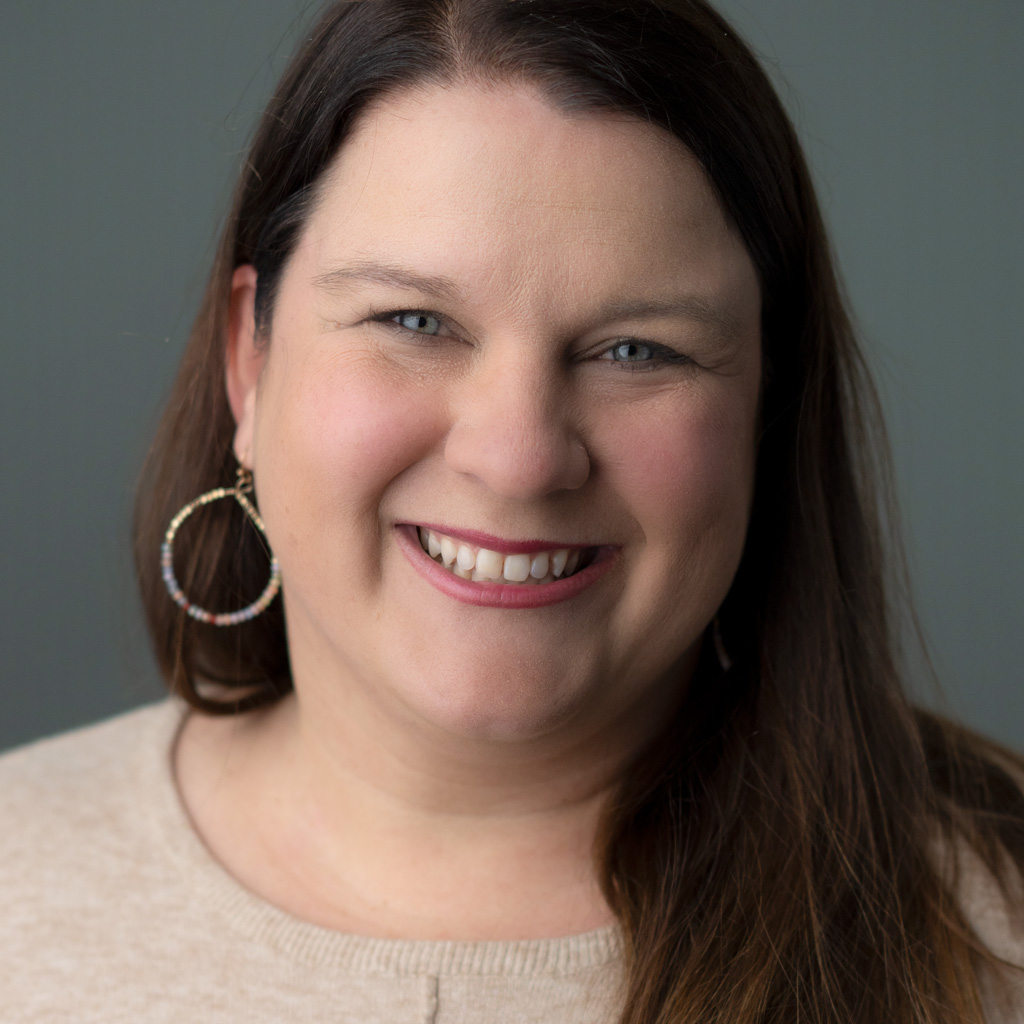
Dr. E. Leigh Van Horn, Ph.D.
Licensed Clinical Psychologist
Dr. Van Horn is a licensed clinical psychologist providing individual and couples therapy as well as assessment for ADHD/LD, personality disorders, and a variety of other psychological and neuropsychological disorders. She earned her PhD from Tennessee State University and completed her internship and postdoctoral residency at Vanderbilt University’s Psychological and Counseling Center.
Meg Stein, CFP
Editor
Meg is a certified mindfulness instructor and works at Alive and Aware Practice in Durham, NC. She has over ten years of experience as a content creator and marketing consultant, working in mental healthcare and social justice.
Sources:
Autism Science Foundation. (2025, November 20). CDC’s new autism webpage distorts science and rejects decades of evidence on vaccine safety [Press release]. https://autismsciencefoundation.org/press_releases/cdc-webpage/
Centers for Disease Control and Prevention. (2025, May 27). Data and statistics on autism spectrum disorder. U.S. Department of Health and Human Services. https://www.cdc.gov/autism/data-research/index.html
Cheang, R. T. S., Skjevling, M., Blakemore, A. I. F., Kumari, V., & Puzzo, I. (2025). Do you feel me? Autism, empathic accuracy and the double empathy problem. Autism, 29(9), 2315–2327. https://doi.org/10.1177/13623613241252320
Cleveland Clinic. (2024, May 29). Autism myths and misconceptions. Cleveland Clinic Health Essentials. https://health.clevelandclinic.org/autism-myths-and-misconceptions
[Author name not listed in source]. (2026). “I try to act like a neurotypical so it makes customers more comfortable”: A mixed methods analysis of autistic camouflaging at work. Journal of Autism and Developmental Disorders. https://link.springer.com/article/10.1007/s10803-026-07476-0
Brosnan, M., & Camilleri, L. J. (2025). Neuro-affirmative support for autism, the Double Empathy Problem and monotropism. Frontiers in Psychiatry, 16, Article 1538875. https://doi.org/10.3389/fpsyt.2025.1538875