

Political chaos causing tension at home? Learn practical ways for couples to stay connected during political turmoil.
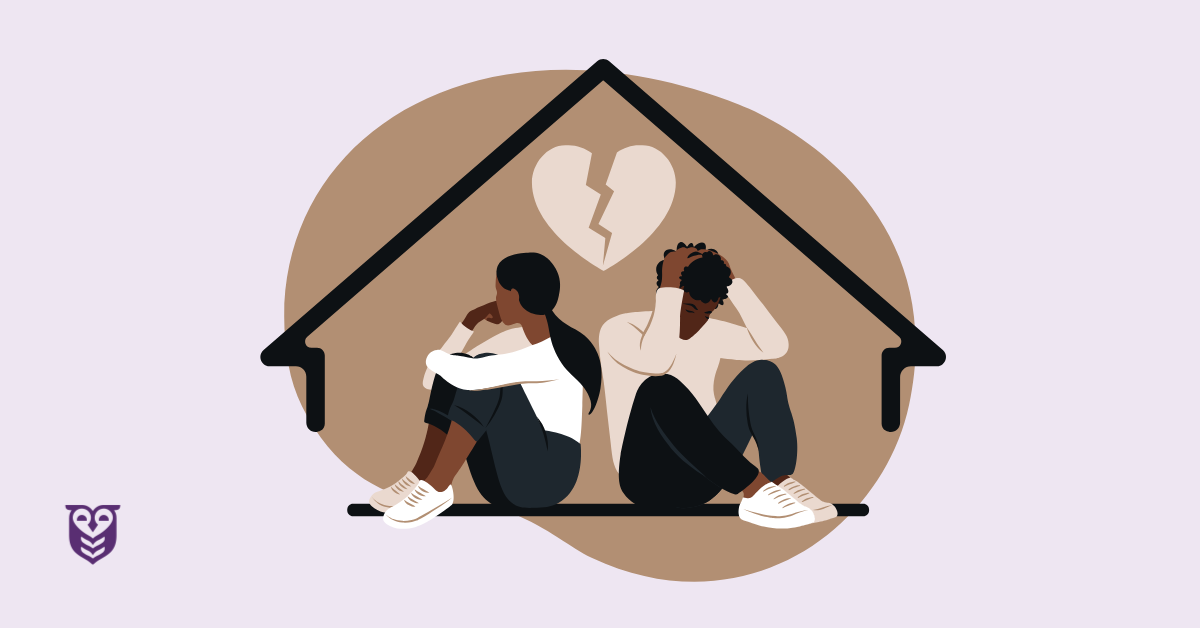
The dinner table used to be off-limits for politics. Today, it’s often the battleground. If you and your partner have found yourselves arguing about headlines more than talking about your day, you’re far from alone — and more importantly, your relationship doesn’t have to be a casualty of the current political climate.
According to a 2025 report from the American Psychological Association, nearly 38% of Americans say politics is a major source of stress in their daily lives. That stress doesn’t stay at the front door. It walks right into the bedroom, the kitchen, and the car. Therapists are reporting that political tension is now one of the top five reasons couples seek counseling — and that’s actually good news. It means people are taking it seriously enough to get help.
The even better news? Couples who handle political differences with care don’t just survive — they can emerge with stronger communication, deeper empathy, and a more resilient bond. Athena Care therapist Kristen Marcantel, LMFT, shares some practical tips for how couples can navigate.
Why Politics Hits So Close to Home
Political beliefs aren’t just opinions. They’re often tied to identity, personal history, and deeply held values. When your partner disagrees with you politically, it can feel like a rejection of who you are, not just what you think. That emotional charge is what turns a policy disagreement into a personal wound.
A landmark University of Michigan study published in the Journal of Personality and Social Psychology found that couples with differing political views reported slightly lower relationship quality — but also found a clear buffer: partners who expressed appreciation for each other and actively tried to understand each other’s perspective experienced far less of that damage. In other words, how you treat each other matters far more than whether you agree.
Practical Tips to Stay Connected
1. Create politics-free zones — and stick to them.
One of the simplest and most effective strategies is to designate certain times or places in your home where politics simply aren’t discussed. Many couples choose the bedroom, dinnertime, or their weekend morning routine. Couples can build these spaces deliberately. Protecting those moments isn’t avoidance — it’s smart boundary-setting.
2. Set a time and place for the hard conversations.
Rather than letting political tensions bubble up randomly, schedule them. The Healing Group’s therapist guide for couples suggests deciding together when and where political discussions are fair game — and agreeing on a signal or phrase to use when things get too heated and a conversation needs to pause. Treating it like a structured discussion rather than an ambush reduces the emotional stakes considerably.
Kristen shares that, “Sometimes couples must agree to disagree when there is not a specific resolution developed in the conversation. These disagreements can help us learn something new about our partner and ultimately the curiosity about each other can build intimacy.”
3. Listen to understand, not to win.
“Staying curious about your partner’s political viewpoint reduces conflict and tension,” notes Kristen. “A natural response is to quickly rebuttal when we do not agree, however this response is hurtful as your partner may not feel heard.”
This sounds simple. It isn’t. Most of us, during a charged political conversation, are waiting for our turn to talk rather than genuinely absorbing what our partner is saying. PsychPlus relationship counselors note that active listening — actually reflecting back what you heard before responding — defuses tension and makes your partner feel valued, even if you disagree. Try this: after your partner shares their view, say, “What I’m hearing you say is…” before offering your own. It changes the entire tone.

4. Use “I” statements instead of accusations.
Language matters enormously in political arguments. Saying “You always fall for that propaganda” is very different from “I feel anxious when I watch that channel because it makes me worried about our future.” The second opens a door. The first slams one shut. According to Gateway to Solutions, “I” statements allow partners to understand the feelings behind each other’s perspectives rather than triggering defensiveness.
5. Reconnect around shared values.
You may disagree on policy, but you likely share deeper values — honesty, fairness, safety for your family, hope for the future. Marriage.com’s relationship guide recommends making an actual list of the values you share and returning to it when political discussions get heated. Those shared foundations are the bedrock of your relationship. Let them do their job.
“Consider all of the attributes of your partner that attracted you together in the beginning of your relationship. What brought you both closer together initially?” Kristen offers that, “focusing on what is not going well will affect the overall health of your relationship. Whereas considering your shared values, goals, and positive experiences will foster growth in your relationship.”
6. Limit news consumption together.
University of Illinois Urbana-Champaign communication professor Emily Van Duyn found in a recent study that co-consuming divisive news is a surprisingly common trigger for relationship conflict. Some couples she interviewed chose to negotiate their media habits — deciding together what they watch, when, and for how long. Others chose news avoidance altogether during especially tense periods. Neither approach is wrong. What matters is making the decision consciously, as a team.
7. Invest in your relationship outside of politics.
Political turmoil can crowd out everything else if you let it. Schedule date nights. Revisit shared hobbies. Take a trip. Kristen adds that couples can, “Learn a new hobby together. Create a bucket list of ideas to choose from to continue growing together.” Discover new interests and activities you can share — ones that have nothing to do with the news cycle.
8. Consider couples therapy when you need it.
There is no shame in bringing in a professional when political stress is creating emotional distance or communication breakdowns. A trained therapist provides a neutral space to work through conflict and rebuild connection.
“Therapy provides couples the space to build intimacy, sparking a new excitement in the relationship as you learn more about each other and begin to tune in to each other’s needs,” says Kristen. Therapy can strengthen couple’s ability to listen to one another, to validate each other, and to set shared goals — even when their perspectives are different.
The Bigger Picture
Political polarization is real, and its effects on relationships are measurable. But so is human resilience. Roughly 30% of married couples in the U.S. belong to different political parties, and many of them are doing just fine — not because they agree on everything, but because they’ve learned to prioritize each other over ideology.
Your relationship existed before the current political moment, and it can outlast it. Political chaos comes and goes. The person sitting across the table from you is the constant. Keep your eyes — and your heart — on what matters most.
If you or someone you love is would benefit from mental healthcare support, we are here to help. You can contact Athena Care’s clinics (open Monday–Friday, 7am–6pm) to learn more. Remember, help is available; you don’t have to face mental health challenges alone.
To learn more about different options for mental healthcare, you fill out this short contact form, or call/text us at +1 877-641-1155 or email [email protected].
If you or someone you love would benefit from talking to a mental health provider in Tennessee, call or text:
877-641-1155
One of our Care Coordinators will help you get the care you need.

Kristen Marcantel, LMFT
Therapist
Kristen is passionate about creating a safe and relaxing environment that offers hope and healing for individuals and couples who experience anxiety and depression. As a Licensed Marriage and Family Therapist, she is eager to build a strong connection and walk alongside you on the healing journey.

Meg Stein, CFP
Editor
Meg is a certified mindfulness instructor and works at Alive and Aware Practice in Durham, NC. She has over ten years of experience as a content creator and marketing consultant, working in mental healthcare and social justice.
Sources:
Adaptive Behavioral Services. (2025, October). Politics & mental health in 2025: Protecting relationships. Adaptive Behavioral Services.
University of Michigan. (2025, May). Love aligns? Journal of Personality and Social Psychology.
PsyPost. (2025, December). New study finds political differences predict lower relationship quality. PsyPost.
Taibbi, B. (2025, October). Politics and relationships: When you disagree. Psychology Today.
Dellaquila, D. (2025, December). How to navigate political differences in marriage. Gateway to Solutions.
University of Illinois Urbana-Champaign News Bureau. (2025). News media trigger conflict for romantic couples. University of Illinois Urbana-Champaign.
PsychPlus. (n.d.). How to keep a healthy relationship despite political differences. PsychPlus.