


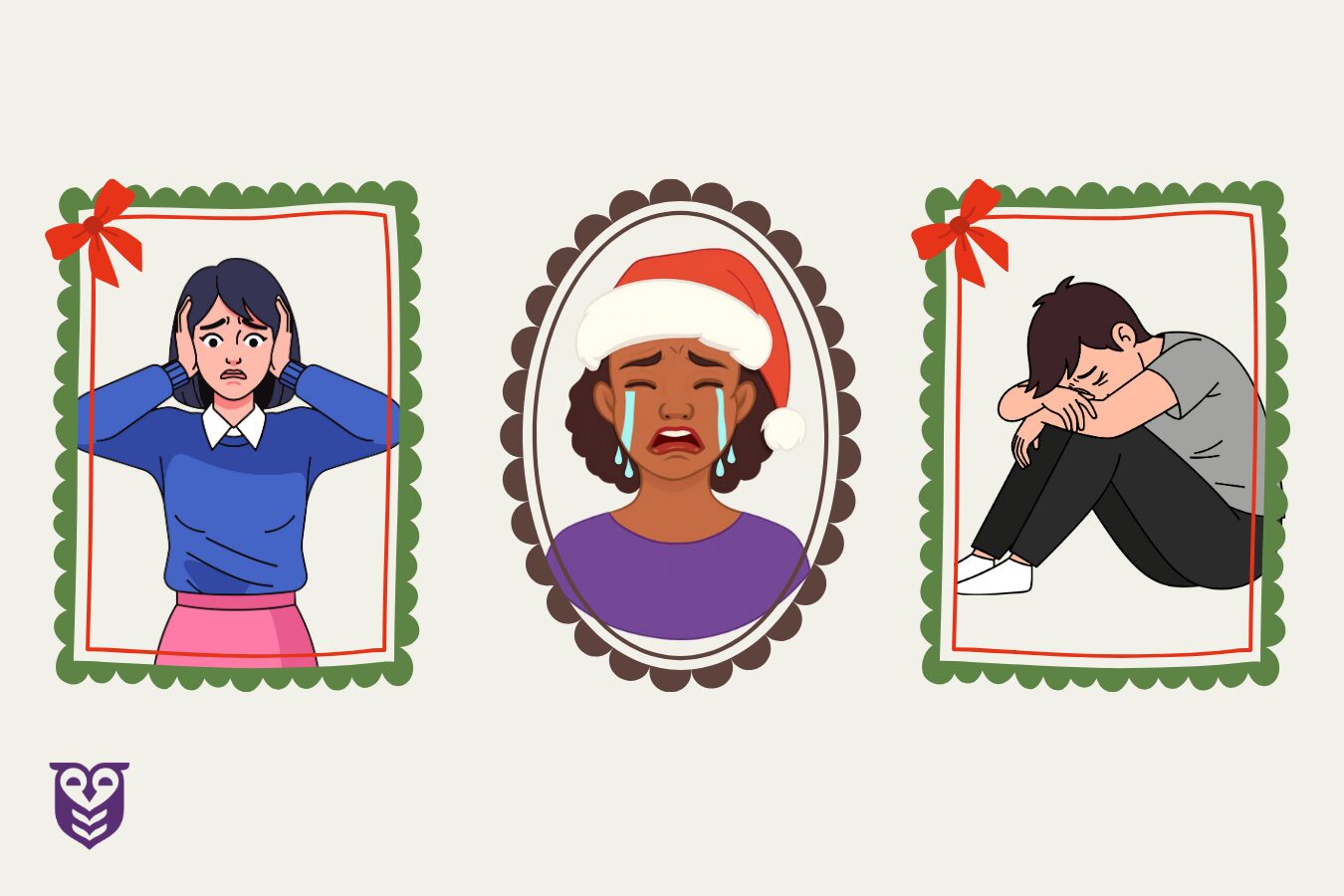
You tell yourself you should feel excited. Instead, you feel overwhelmed, distracted, or oddly numb. You wonder, “what’s wrong with me?” Nothing is wrong with you. For many people, the holiday season is emotionally complicated.
The lights are up. The music is playing. Everywhere you go, people are talking about joy, gratitude, and togetherness. And yet, you feel tired. You sit in traffic staring at brake lights strung down the highway like a second set of decorations. Your to-do list keeps growing—gifts to buy, meals to plan, messages to answer, expectations to meet.
During the holidays, you may feel encouraged or even pressured to be happy, grateful, generous, and fully present. But day-to-day life and struggles don’t pause just because it’s the holiday season. For some, this time of year highlights grief for loved ones who aren’t here anymore, loneliness or strained family relationships, financial stress, exhaustion from trying to meet expectations, anxiety about social gatherings, or a sense of comparison and inadequacy. When reality doesn’t match the picture-perfect version of the season, it can leave people feeling disconnected or ashamed for struggling.
Julie Tressler, LCSW, a therapist at Athena Care in Clarksville, TN, shares some tips for managing holiday stress:
1. Accept Imperfection
We live in a busy world where time isn’t always our friend. What’s attainable for one person could be nearly impossible for another. Do what works for you, keeping your mental wellness in mind. What good are the holidays if you don’t have the energy to enjoy them? Make a list, check it twice, and decide if there’s anything you can remove.
2. Don’t Lose Sight of What Really Counts
What “really counts” will be different for each person. For you, what matters may be spending time with family and friends, or prioritizing much-needed downtime at home, or focusing on the year ahead. Ask yourself what really matters to you, so that you can prioritize it and be present in those moments.
3. Be Kind
This includes being kind to yourself and to other people. It can be helpful to remember that you never know what another person is going through. Receiving and giving kindness whenever possible is beneficial to all involved, so don’t hold back.
4. Find Time to Decompress
Back-to-back events, shopping, keeping up with household chores and work demands can be exhausting. Make sure you are taking the time to recharge and use your best coping skills. Exercise, nutrition, sleep, and familiar routines can be our best friends during these busier times. Of course, these are not the only ways to engage self-care: pay attention to the activities or practices that make you feel grounded and at your best.
5. Ask For — and Accept — Help
If you notice that you’re overwhelmed or find yourself dreading any upcoming responsibilities that you’ve agreed to, ask for support. If someone offers to take a task off your list of to-do list, say yes if it would bring you relief. Asking for or accepting help shows you are mindful of your limitations. And it gives those around you permission to ask for help too.
The holidays don’t have to be perfect to be meaningful. Sometimes the most honest version of the season is quiet, imperfect, or simply taking it one day at a time. If this time of year feels heavier than expected, you’re not doing it wrong. Care, understanding, and support are available. Take care of yourself this holiday season.
You’re not alone.
Sometimes, extra support is needed. If the holidays bring persistent sadness or hopelessness, increased anxiety or panic, emotional numbness, difficulty functioning, or thoughts of harming yourself, professional support can help. Therapy, medication management, or other treatments can provide stability during a season that feels emotionally demanding, and you don’t have to wait until January to ask for help.
If you or someone you love would benefit from talking to a mental health provider in Tennessee, call or text:
877-641-1155
One of our Care Coordinators will help you get the care you need.
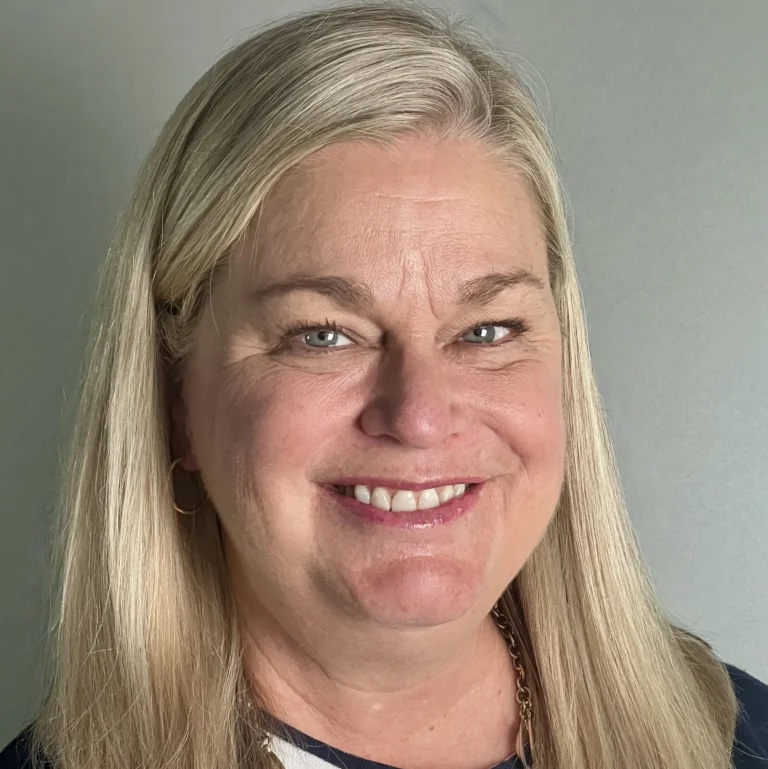
Julie Tressler, LCSW
Therapist
Julie earned her Master’s degree in Social Work from the University of Illinois. She specializes in working with children and older adults.

Meg Stein, CFP
Editor
Meg is a certified mindfulness instructor and works at Alive and Aware Practice in Durham, NC. She has over ten years of experience as a content creator and marketing consultant, working in mental healthcare and social justice.

Zyonn Smith
Contributor
Zyonn is a student at Tennessee State University studying for a degree in Mass Communications currently interning at Athena Care.
