

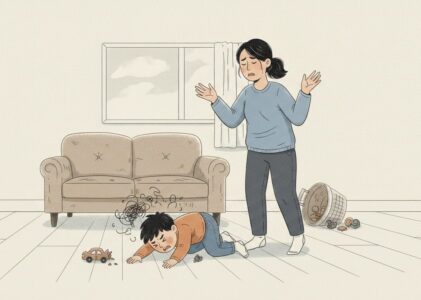
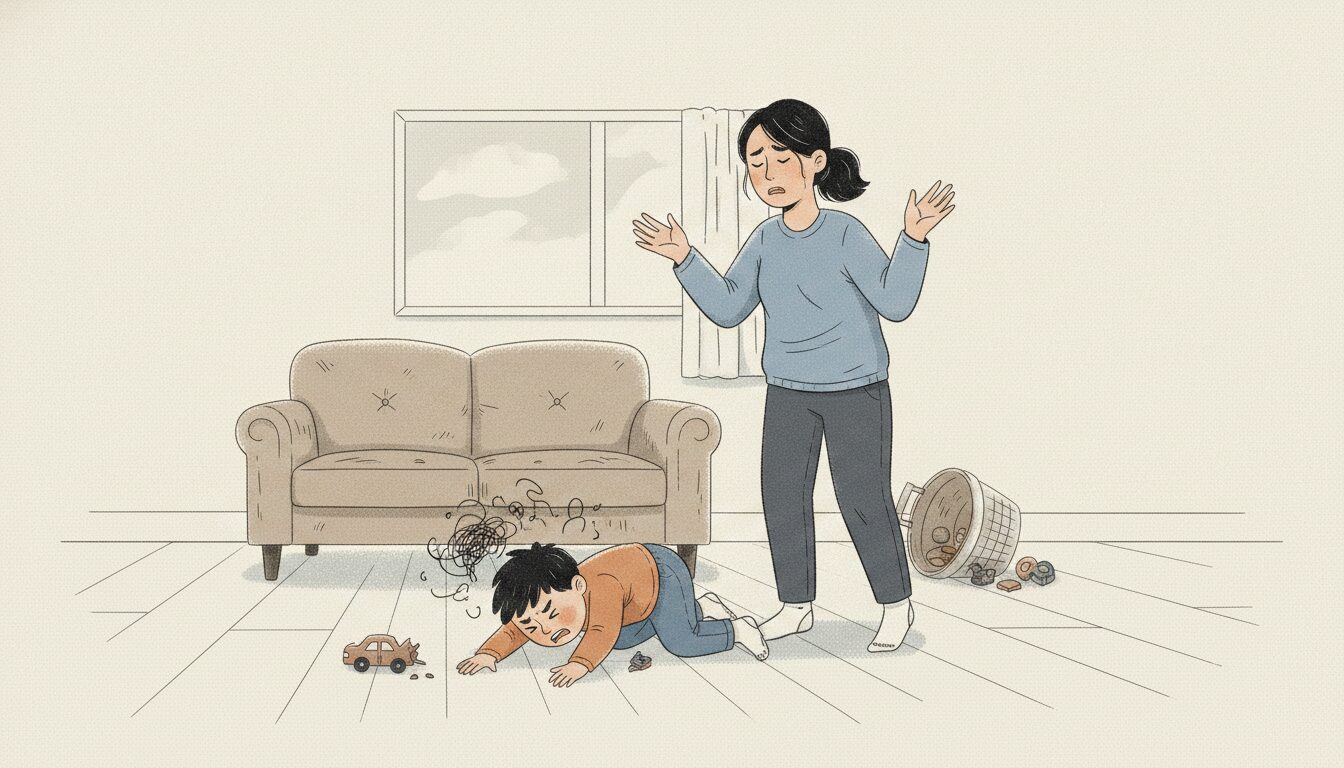
You searched, “my child won’t stop having tantrums” at 11 p.m. Or maybe it was, “anxious 6 year old won’t go to school.” Whatever brought you here, you’ve probably landed on the term play therapy — and now you’re wondering: is this just playing, or is it actually doing something?
The short answer: it’s doing something.
Athena Care registered play therapist Rachel Gladys, LPC-MHSP, RPT™ shares that, “Adults process experiences through conversation. Children process their experiences of the world through play. When children are given the opportunity to show us their experiences through their own language—play—we often gain access to emotions and experiences they aren’t yet able to express with words. That’s where the magic happens. Once we better understand their experience, we can help them navigate the difficult parts.”
Below, Rachel offers insight into what play therapy actually is.
What Play Therapy Actually Is
“Most play therapists will tell you that one of the biggest misconceptions about play therapy is that it’s ‘just playing.’ In reality, play is the language children use to communicate,” says Rahcel. “But it is the therapeutic relationship, the therapist’s training, and evidence-based play therapy interventions that create meaningful change.”
Play therapy is a structured, research-supported mental health approach in which a trained therapist uses the natural medium of play to help children work through emotional, behavioral, and social difficulties. The most widely used form is Child-Centered Play Therapy (CCPT), which is designed primarily for children ages 3 to 10.
The University of North Texas Center for Play Therapy — the largest play therapy training center in the world — describes CCPT as a way to provide children with “full acceptance, empathy, and understanding” through a safe and consistent environment, allowing them to process inner experiences and feelings through play and symbols. The overarching goal, they note, is to “unleash the child’s potential to move toward integration and self-enhancing ways of being.”
The Association for Play Therapy (APT), the national professional organization founded in 1982, maintains a directory of credentialed practitioners and an entire “Parents Corner” section on its website for families navigating this decision.
What Happens in the Room
“One of the most exciting parts of my role as a play therapist is helping parents understand the themes and meanings their child is communicating through play,” says Rachel. “Children often tell us incredibly important things without ever saying them out loud. Through play, they show us what they’re worried about, what they’re trying to understand, and what they need from the adults around them.”
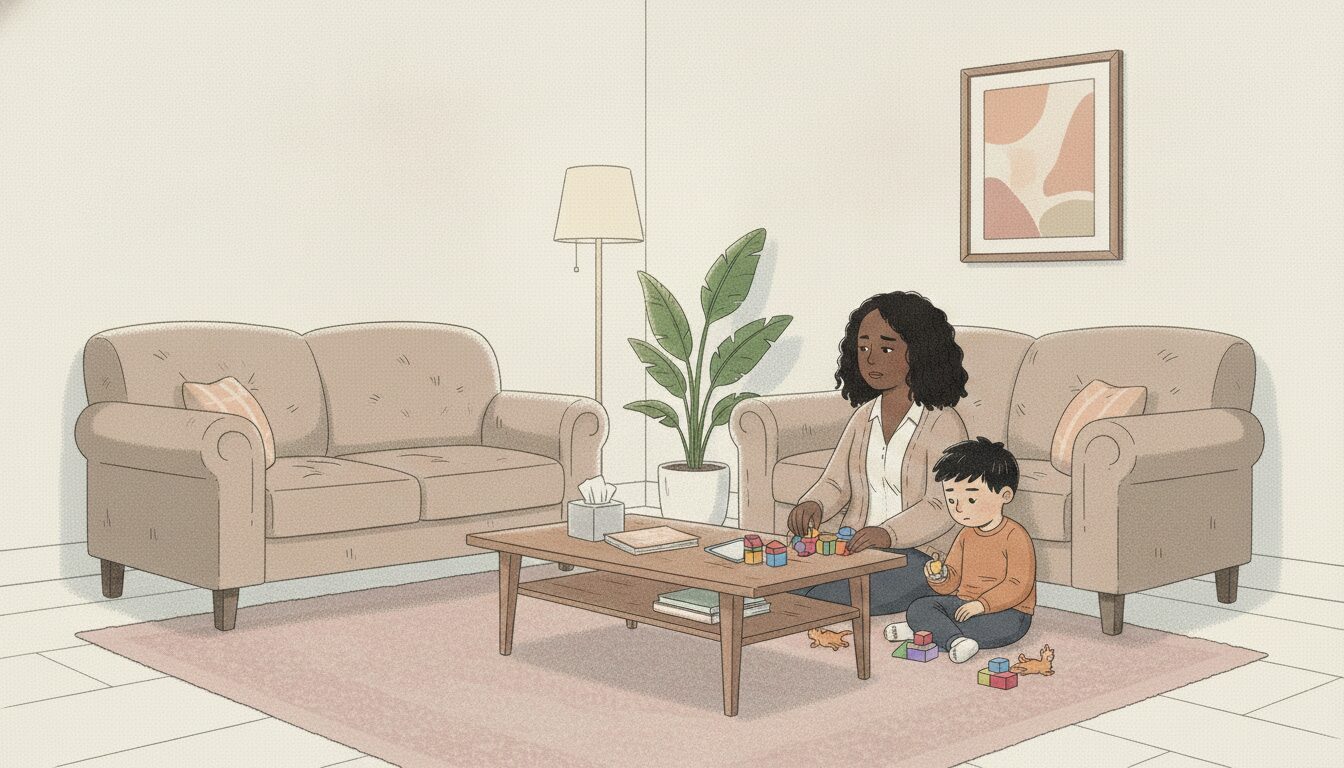
A play therapy room typically contains carefully selected materials: puppets, sand trays, art supplies, blocks, dollhouses, and figures. These aren’t random toys — they’re tools chosen because they allow children to externalize what they can’t internalize verbally.
A child-centered play therapist doesn’t direct the play or pepper the child with questions. They observe, reflect, and occasionally name what they see (“It looks like that character is really angry right now”). The relationship between therapist and child is itself considered a key healing factor. Research from the University of North Texas confirms that the impact of CCPT was greater when parents were more involved in the process — meaning your engagement as a parent matters too.
Sessions typically run 30 to 50 minutes and are held weekly. Most children need somewhere between 10 and 20 sessions, though this varies widely depending on what the child is working through.
What Conditions Does It Help?
If you’ve been Googling any of the following, play therapy may be worth discussing with your child’s pediatrician or a licensed therapist:
• Frequent tantrums or meltdowns beyond the age when they’re typical. Research from the Child Mind Institute notes that persistent meltdowns in older children are often a symptom of underlying distress — including anxiety, ADHD, trauma, or a learning disorder — not simply bad behavior.
• Anxiety — refusing to go to school, clinging, excessive worry, or physical complaints like stomachaches with no medical cause.
• Trauma — a difficult medical experience, loss, divorce, witnessing violence, or abuse. A 2024 case study published in the journal Trauma Care found that child-centered play therapy produced measurable psychophysiological changes in a child processing trauma.
• ADHD, autism, and sensory processing differences – impulsivity, emotional dysregulation, difficulty with transitions, social challenges, and sensory-related distress. Play therapy provides a developmentally appropriate way for children to build coping skills, emotional awareness, and self-regulation.
• Depression or withdrawal — a 2024–2025 study in the Journal of Nursing Reports in Clinical Practice found play therapy to be effective in reducing depression in children with chronic illness.
• Hospitalization or medical fear — a 2025 randomized controlled trial published in BMC Complementary Medicine and Therapies found that children who received structured play therapy during hospital stays experienced meaningfully lower levels of anxiety and distress than those who did not.
Research also supports play therapy’s effectiveness for children with cancer, where studies consistently show it reduces stress, anxiety, and depressive symptoms while helping children better express their feelings about their illness.
Does My Child Actually Need Therapy?
This is the question almost every parent is really asking. Here are a few honest guidelines:
Consider an evaluation if:
• The behavior has lasted more than a few weeks and is affecting school, friendships, or your family’s daily life.
• Your child seems stuck — the same fears, the same meltdowns, the same withdrawal — without getting better over time.
• You’ve tried consistent routines and positive reinforcement, and nothing is shifting.
• Your gut says something is off, even if you can’t name it.
It’s also okay if:
• Your child is going through a short-term adjustment (a new sibling, a school change) and is trending back to baseline.
• The behavior is developmentally normal for their age and not causing significant impairment.
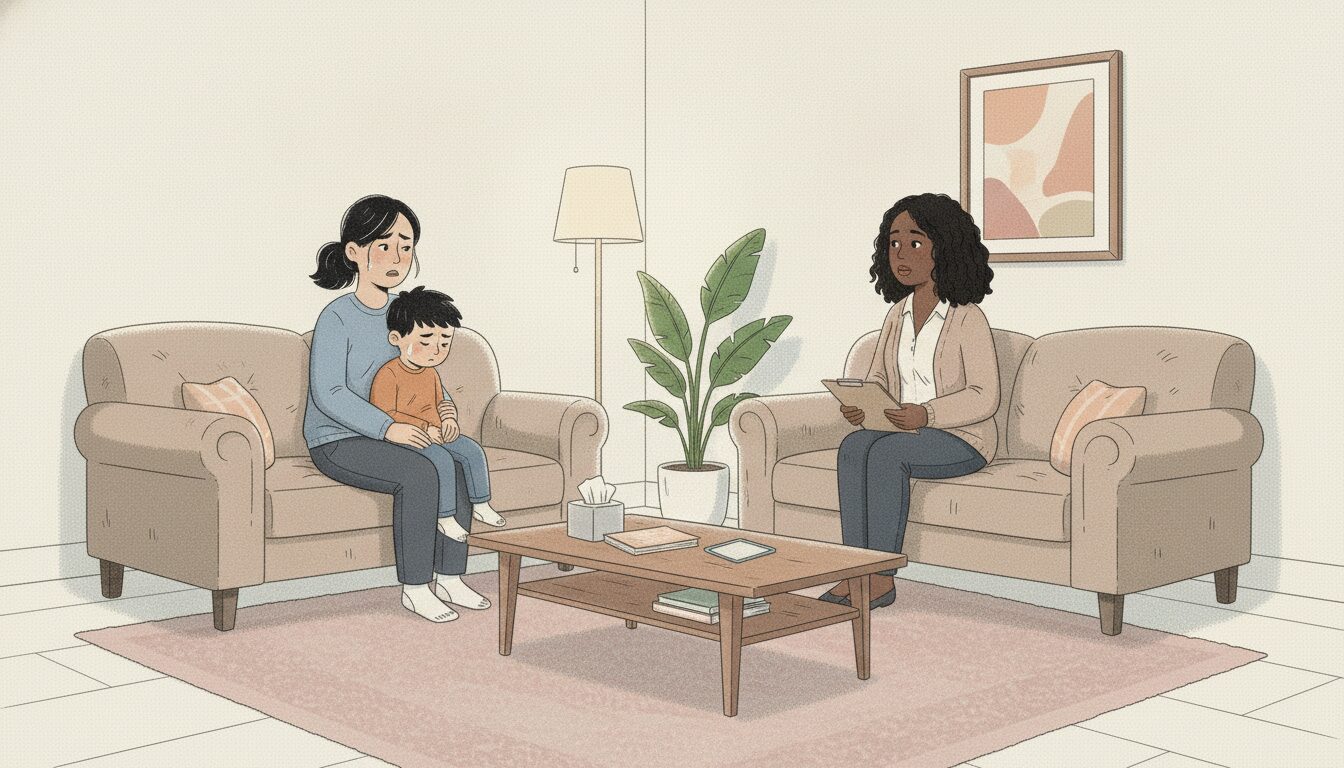
When in doubt, a single consultation with a licensed child therapist can help you get clarity. You don’t have to commit to a full course of therapy to get a professional read on what’s happening.
What to Expect as a Parent
“Parents often seek out play therapy when they feel like they’ve tried everything and nothing seems to be working,” shares Rachel. “Play therapy can be that missing piece—a developmentally appropriate way to understand the needs, emotions, and experiences underneath a child’s behavior while helping them build healthier ways to express emotions, cope with stress, and connect with others.”
Play therapy is not something that happens to your child while you wait in a lobby. Most therapists will meet with parents regularly — sometimes before the first session, sometimes every few sessions — to share observations and give you tools to reinforce progress at home.
Research from the University of Texas confirms that the impact of child centered play therapy is greater when parents are more involved in the process – meaning your engagement as a parent matters too.
Some of the most meaningful progress occurs when parents are included in the treatment process. Parent consultations help bridge the gap between what happens in the therapy room and what happens at home, allowing caregivers to support new skills and reinforce growth between sessions.
While parents are an important part of the treatment process, you may not always hear details about everything that happened in the room. That’s by design. The privacy of the therapeutic relationship is part of what makes it feel safe for children. What you will likely notice over time: small shifts. Your child starts sleeping better. The tantrums become less frequent. They use words like “I’m scared” instead of throwing something. These changes happen slowly — and then all at once.
To find a credentialed play therapist, the Association for Play Therapy’s provider directory at a4pt.org is the best starting point. Look for the credential RPT (Registered Play Therapist) or RPT-S (Registered Play Therapist-Supervisor).
The Bottom Line
Play therapy isn’t a last resort, and it isn’t just for the most severe cases. It’s a developmentally smart, evidence-backed way to help children process what they can’t yet put into words. If something about your child’s behavior or emotional world is worrying you — trust that instinct enough to make one phone call.
If you’re still looking for the right fit, our guide on how to find a child therapist in Tennessee can help you get started.
If any of the above resonated with you or someone you love, reach out to Athena Care so we can help. You can contact us by filling out this short form or call/text us at +1 877-641-1155 or email [email protected].
Contact us today

Rachel Gladys, LPC-MHSP, RPT™
Therapist
Rachel is a Licensed Professional Counselor trained in diverse counseling modalities and techniques, creating the foundation for the playful, nurturing, collaborative, and integrated treatment approach she cultivates for her clients. Rachel has pursued more than 175 hours of specialized play therapy training in pursuit of Registered Play Therapist™ credentials through the Association for Play Therapy, the professional organization responsible for promoting the evidence-based and ethical practice of play therapy.

Meg Stein, CFP
Editor
Meg is a certified mindfulness instructor and works at Alive and Aware Practice in Durham, NC. She has over ten years of experience as a content creator and marketing consultant, working in mental healthcare and social justice.
Sources:
Baktashian, M., et al. (2025). Meta-analysis of the effectiveness of various play therapy interventions on ADHD behavioral symptoms. Journal of Assessment and Research in Applied Counselling, 7(4), 1–10.
Center for Play Therapy, University of North Texas. Child-Centered Play Therapy. cpt.unt.edu. (Ongoing; reviewed 2024–2025.)
Perryman, K., Robinson, S., Schoonover, T., & Conroy, J. (2024). Psychophysiological insights into child-centered play therapy for trauma: A case study. Trauma Care, 4(3), 208–218. https://www.mdpi.com/2673-866X/4/3/19
Abdi, F., Karamoozian, A., Lotfilou, M., Gholami, F., et al. (2025). Effect of play therapy and storytelling on the anxiety level of hospitalized children: A randomized controlled trial. BMC Complementary Medicine and Therapies, 25, 23. https://pmc.ncbi.nlm.nih.gov/articles/PMC11761729/
Khodabakhsh, R., Shirdel, M., Sadat Hoseini, A. S., Tavakol, N., & Begjani, J. (2024). Effect of play therapy on depression in children with chronic illnesses: A quasi-experimental study. Journal of Nursing Reports in Clinical Practice, 3(3). https://www.jnursrcp.com/article_209954
Child Mind Institute. (Updated May 2025). How to handle tantrums and meltdowns. childmind.org. https://childmind.org/article/how-to-handle-tantrums-and-meltdowns/