

You’ve been feeling it: the tight chest before a big meeting, the racing thoughts at 2 a.m., the dread that something could go wrong. You wonder — is this just stress, or is something more serious happening? The good news is that asking this question is exactly the right place to start. And whether the answer is “normal anxiety” or “an anxiety disorder,” there is a clear, hopeful path forward for both.
Athena Care Nurse Practitioner, Ariel Newton, PMHNP-BC shares the warning signs to look for and what you can do next.
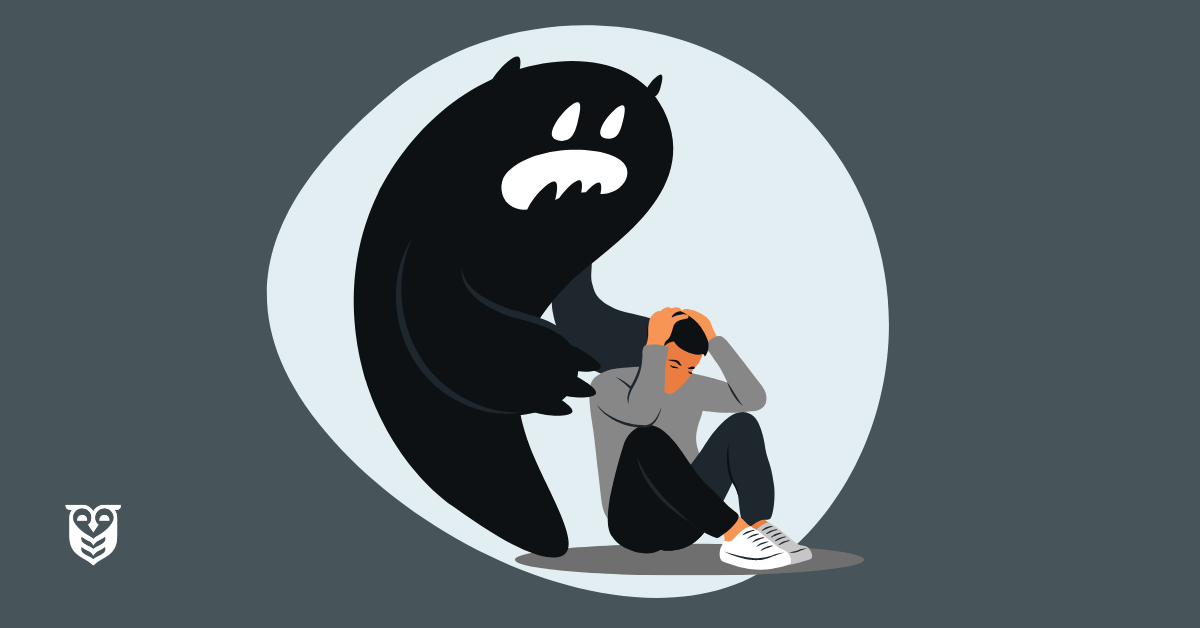
Anxiety Is Not the Enemy
First, let’s be clear: anxiety is not a flaw. It is a built-in survival mechanism. According to the American Psychiatric Association, mild levels of anxiety can actually be beneficial — they sharpen our attention, motivate action, and help us prepare for challenges. Every person alive experiences anxiety. That is not the problem.
Ariel says, “When anxiety moves from motivating to paralyzing, is when medical or therapeutic intervention can be effective tool to improve function”
The problem arises when anxiety stops being useful and starts running the show.
So What’s the Difference?
The key distinction between normal anxiety and an anxiety disorder comes down to three factors: proportionality, controllability, and duration.
Normal anxiety is tied to a specific trigger — a job interview, a medical test, a difficult conversation. It fades when the situation resolves. Anxiety researcher Dr. Michelle Craske puts it plainly: “The key distinction is not the presence of worry, but whether that worry is proportionate, controllable, and time-limited.”
An anxiety disorder, by contrast, is persistent. A diagnosis of Generalized Anxiety Disorder (GAD) — the most common anxiety disorder — requires excessive, hard-to-control worry about multiple areas of life, occurring more days than not for at least six months, and causing real interference with daily functioning. Anxiety disorders affect nearly 30% of adults at some point in their lives, making them the most common category of mental health conditions.
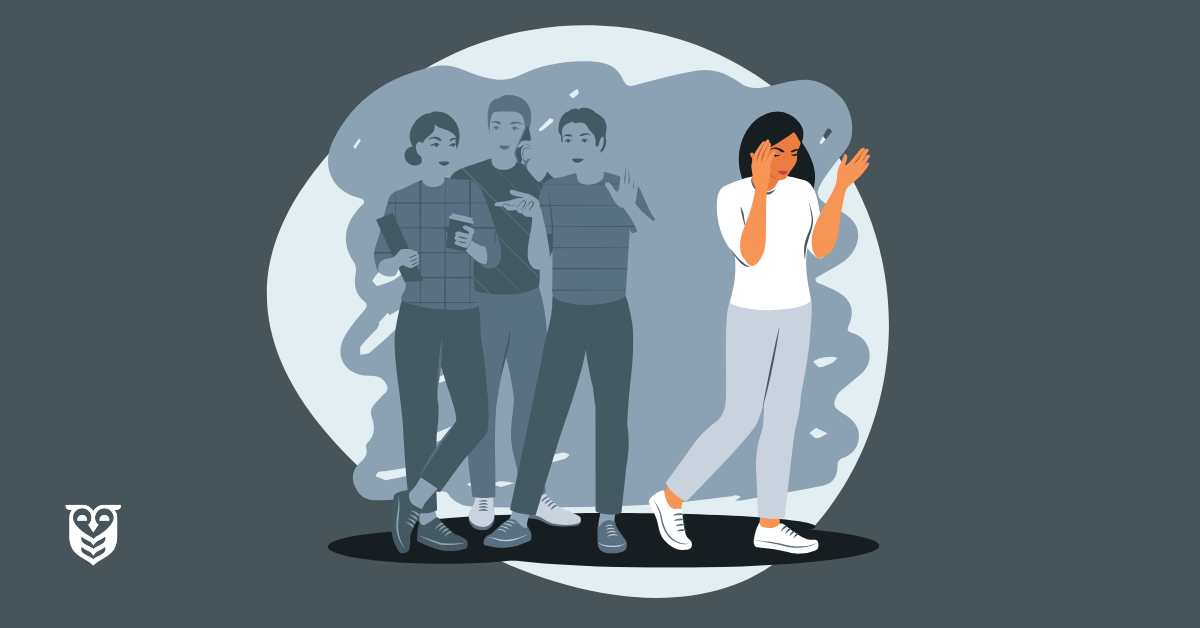
Warning Signs to Watch For
Here are concrete signs that your anxiety may have moved beyond the “normal” range:
- It doesn’t resolve when the stressor does. You finished the project, but the worry moved on to the next thing — and the thing after that.
- It’s affecting your functioning. You’re calling in sick, avoiding social situations, struggling to concentrate at work, or withdrawing from relationships because of anxiety.
- Physical symptoms are showing up regularly. Muscle tension, headaches, fatigue, stomach problems, and sleep disruption are frequent companions of anxiety disorders.
- You feel like you can’t stop it. Normal anxiety is uncomfortable but manageable. Disordered anxiety feels impossible to turn off, even when you know intellectually there’s no immediate threat.
- It’s been going on for months. Duration matters. A week of stress is not the same as six months of constant dread.
If several of these resonate, that’s not a reason to panic — it’s a reason to act.
If It’s Normal Anxiety: What to Do
Normal anxiety responds well to consistent self-care practices. Evidence-based strategies include:
- Journaling and thought-reframing. Writing down anxious thoughts and challenging them with more balanced perspectives interrupts cycles of negative thinking.
- Regular physical movement. Even 30 minutes of walking releases endorphins and lowers cortisol levels. You don’t need a gym — a daily walk counts.
- Mindfulness and breathing. Specific mindfulness practices meaningfully support mental well-being. Techniques like box breathing (inhale 4 counts, hold 4, exhale 4, hold 4) can interrupt the anxiety cycle quickly.
- Sleep hygiene. Aim for 7–9 hours. Poor sleep amplifies anxiety significantly, and even small improvements in sleep habits produce noticeable mental health benefits.
- Limiting stimulants and news consumption. Caffeine and constant news feeds are reliable anxiety amplifiers. Intentional boundaries here are not avoidance — they are smart management.
If It’s an Anxiety Disorder: What to Do
An anxiety disorder is treatable. This is one of the most important facts in mental health — and it deserves to be said directly. Cognitive Behavioral Therapy (CBT) is the gold-standard treatment, consistently supported by decades of research as the most effective psychological intervention for anxiety disorders. CBT helps you identify distorted thinking patterns, gradually face feared situations, and build real, lasting tolerance for uncertainty.
Medication is also an effective option for many people, and for some, a combination of therapy and medication works best. “Medication is a tool to help manage the anxiety symptoms to allow you to work in therapy to address the underlying thoughts behind your anxiety,” Ariel explains.
The first step is speaking with a mental health provider or your primary care physician. A brief screening conversation can clarify a lot.
The Bottom Line
“Anxiety is a normal part of life,” Ariel reminds us. “But the impairment due to anxiety can be managed.”
If your anxiety is tied to real events and settles down afterward, you likely have the normal kind — and it responds beautifully to healthy habits and self-care. If your anxiety is persistent, pervasive, and getting in the way of your life, you may be dealing with an anxiety disorder — and that is absolutely something you can get effective help for.
Either way, you’re not broken. You’re human. And you don’t have to figure this out alone.
If any of the above resonated with you or someone you love, reach out to Athena Care so we can help. You can contact us by filling out this short form or call/text us at +1 877-641-1155 or email [email protected].
Contact us today
If you or someone you love would benefit from talking to a mental health provider in Tennessee, call or text:
877-641-1155
One of our Care Coordinators will help you get the care you need.

Ariel Newton, PMHNP-BC
Nurse Practitioner
Ariel is a board-certified psychiatric mental health nurse practitioner. She attained her Masters of Science in Nursing from Vanderbilt University, specializing in Psychiatry.

Meg Stein, CFP
Editor
Meg is a certified mindfulness instructor and works at Alive and Aware Practice in Durham, NC. She has over ten years of experience as a content creator and marketing consultant, working in mental healthcare and social justice.
Sources:
- American Psychiatric Association. (2026, March 12). What are anxiety disorders? https://www.psychiatry.org/patients-families/anxiety-disorders/what-are-anxiety-disorders
- Cleveland Clinic. (2024, July 3). Anxiety disorders: Causes, symptoms, treatment & types. https://my.clevelandclinic.org/health/diseases/9536-anxiety-disorders
- MentalHealth.com. (2025, June 5). Normal anxiety vs. generalized anxiety disorder. https://www.mentalhealth.com/library/normal-anxiety-vs-gad
- Merck Manual (Professional Edition). (2026, April 14). Generalized anxiety disorder. https://www.merckmanuals.com/professional/psychiatric-disorders/anxiety-and-stressor-related-disorders/generalized-anxiety-disorder
- Liu, S., Xiao, H., Duan, Y., et al. (2025). CBT treatment delivery formats for generalized anxiety disorder: A systematic review and network meta-analysis. Translational Psychiatry, 15, 197. https://doi.org/10.1038/s41398-025-03414-3
- Lead4Life. (2025, January 16). Mental wellness reset: A fresh start for 2025. https://lead4lifeinc.org/mental-wellness-reset/
- Insight Northwest Counseling. (2025, April 28). Self-care strategies for managing anxiety in 2025. https://www.insightnorthwest.com/blog/self-care-strategies-for-managing-anxiety-in-2025