


You’ve done the research, made the decision, and found a therapist. Now comes the part that trips up so many parents: how do you actually tell your child? If you’re worried about saying the wrong thing or making them more anxious, you’re in good company. Most parents feel this way. The good news is that with a little preparation, you can introduce therapy in a way that feels safe, positive, and even a little exciting.
Athena Care provider Greg Corbett, LPC-MHSP offers tips for what parents can do to help this conversation go well.
1. Choose a calm, low-pressure moment
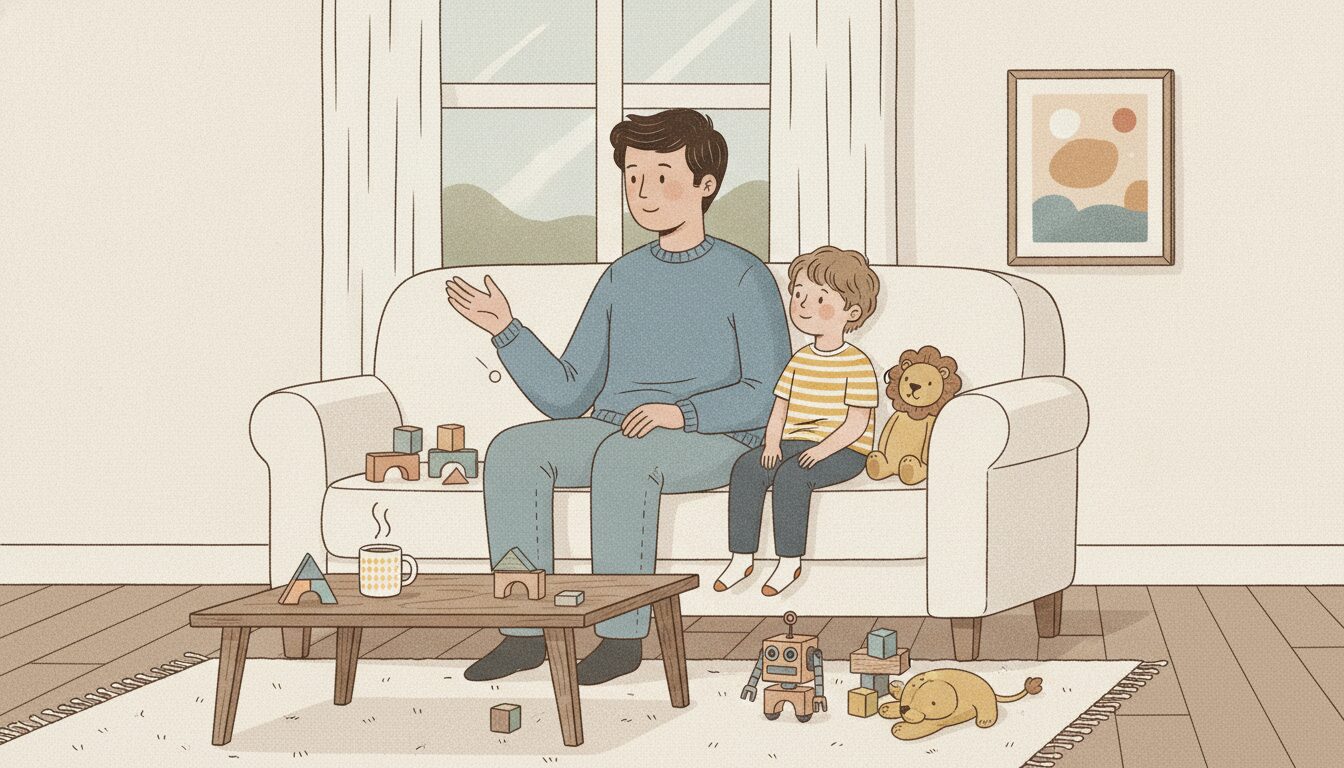
Timing matters. Don’t bring it up during a meltdown, right before school, or in the middle of a hectic evening. Instead, pick a quiet moment when you and your child are relaxed and have each other’s attention. Maybe it’s during a drive, while having a snack together, or before bedtime when things have settled down. The goal is to create space for a real conversation, not to squeeze it in between other stressors. If your child senses that you’re calm and confident about the idea, they’re much more likely to feel that way too.
2. Use simple, positive language
You don’t need a script, but keeping your words simple and upbeat goes a long way. For younger children, try something like:
“We’re going to see a feelings doctor. Just like your regular doctor helps your body stay healthy, this person helps kids with their feelings.”
For older kids or tweens, you can be a bit more direct:
“We’re going to see a special helper who talks with kids about things like worries, big feelings, and stuff that’s hard to figure out on your own. A lot of kids go, and most of them end up really liking it.”
Avoid words like “problem,” “fix,” or “something wrong with you.” Instead, frame therapy as something helpful and normal, like going to the dentist or joining a new activity.
3. Address their concerns honestly
Your child will probably have questions, and some of them might catch you off guard. Common ones include: “Am I in trouble?” “Will I have to talk about everything?” “What if I don’t like it?”
Answer honestly, but keep it reassuring:
“You’re not in trouble at all. It’s the opposite, actually. We’re doing this because we care about you and want to help with some of the tough stuff you’ve been dealing with.”
“You won’t be forced to talk about anything you’re not ready for. Your therapist will go at your pace.”
Honesty builds trust. If you promise that therapy is “just playing games” and then your child discovers it involves real conversations, they may feel misled. It’s okay to let them know that yes, sometimes it involves talking about feelings, but that their therapist is really good at making it comfortable and even fun.
Greg adds that, “allowing your child to ask questions can be very beneficial to them learning more about therapy and what to expect. I even give parents and children time in sessions, especially the initial session, to ask any questions they have. I believe the more information a child has not only on therapy itself, but on their therapist, can allow the process to be as easy as possible for them.”
4. Highlight the benefits in terms they understand
Kids are concrete thinkers, especially younger ones. Abstract concepts like “emotional regulation” or “coping skills” won’t land. Instead, connect therapy to things they already care about:
“It might help you feel less worried at school.”
“It could help you and your sister get along better.”
“You might learn some cool tricks for when you feel really angry or sad.”
If your child has been struggling with anxiety, for example, you could say: “Remember how your stomach hurts before tests sometimes? This person can teach you ways to make that better.”
5. Let them have some ownership
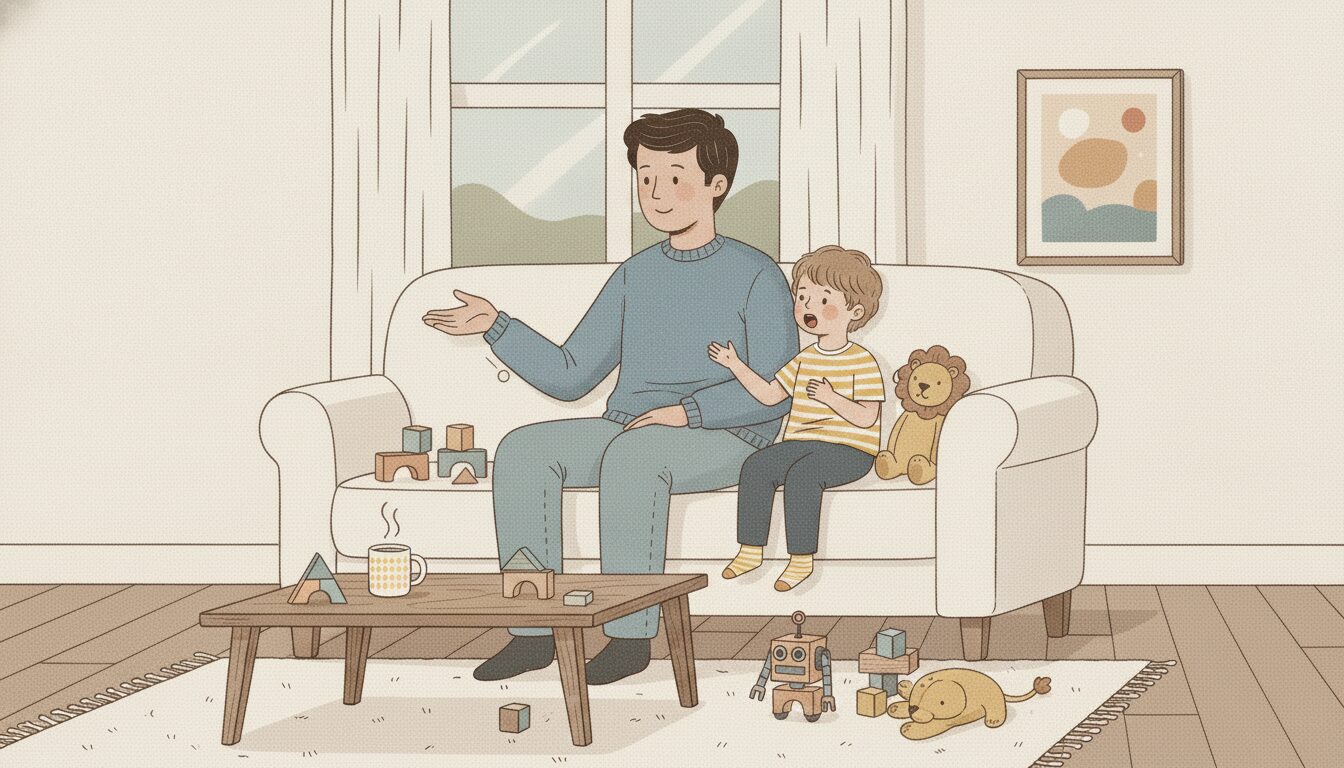
Giving your child a small sense of control can make a big difference, especially if they’re feeling nervous about something new. Let them pick a comfort item to bring along, like a stuffed animal, a fidget toy, or a favorite small blanket. If your therapist offers a choice of appointment times, let your child weigh in.
You might also ask if they have any questions they want to write down beforehand, or if there’s anything specific they’d want their therapist to know. These small choices help your child feel like a participant rather than a passenger.
6. Frame therapy as support, not punishment
This is the most important thing to get right. Children are perceptive, and if therapy feels like a consequence for bad behavior, they’ll resist it. Make it clear that going to therapy is something your family is doing because you love them, not because they’ve done something wrong.
“We’re going to see a special helper who talks with kids and families. It’s not because you’re in trouble. It’s because we care about you and want to make things easier.”
If your child has been showing signs that your family might benefit from therapy, it can also help to normalize the experience by sharing that lots of families do this. You might even mention that some of their friends’ families probably see a therapist too, even if they don’t talk about it.

Frequently asked questions
At what age can you start taking a child to therapy?
Children as young as two or three can benefit from certain types of therapy, like Parent-Child Interaction Therapy (PCIT). For talk-based therapy, most children are ready around age four or five, though it depends on the child’s developmental level and the specific concern.
“For young children, talk therapy is not the main focus,” says Greg. “When working with children, I utilize sand tray and play therapy based approaches as children have an easier time communicating through play versus words themselves”
What if my child refuses to go?
It’s common for kids to push back, especially at first. Stay calm, validate their feelings (“I understand you’re nervous, and that’s okay”), and gently follow through. Most children warm up after the first session or two once they see that the therapist is kind and the experience isn’t scary.
Should I tell my child’s school about therapy?
That’s entirely up to you. Some parents find it helpful to let a teacher or school counselor know so they can offer additional support. Others prefer to keep it private. There’s no right or wrong answer.
How do I explain therapy to a very young child (under 5)?
Keep it very simple: “We’re going to visit someone who helps kids with their feelings. You might play games, draw pictures, and talk a little bit. It’s a safe, fun place.” For very young children, the experience itself will do most of the explaining.
What if my child asks why they need therapy and their friends don’t?
You can say something like: “Lots of kids actually do go to a therapist, they just might not talk about it. Just like some kids wear glasses to help them see better, some kids talk to a therapist to help with feelings. It doesn’t mean anything is wrong with you.”
“Seeing many children, I do let kids know that many kids go to therapy and it is up to them to share with others,” shares Greg. “Just because other kids don’t talk about it doesn’t mean they don’t go or that it is a bad thing, it just means they want to keep it between them, their parents, and parents.
Will the therapist tell me everything my child says?
Therapists maintain age-appropriate confidentiality with children, which helps build trust. Your child’s therapist will share important updates and safety concerns with you, but they won’t repeat every detail of the conversation. This is a good thing, because it helps your child feel safe being open and honest.
Greg says, “When I first start working with a kid, I let them know that they are able to tell me anything they want or need to. I make sure to say this in front of parents as well so both child and parent/guardian are aware that the level of confidentiality an adult would have also applies to children. Children need to know that they can freely talk and not have to worry about what they say getting back to a parent.”
How many sessions will my child need?
The number of sessions depends on the child, the concern, and how they respond to treatment. Some children see meaningful progress in six to eight sessions, while others benefit from longer-term support. Your therapist will check in with you regularly about goals and progress.
How do I know if my child actually needs therapy?
If your child is struggling with persistent sadness, anxiety, behavioral changes, difficulty at school, or signs of emotional distress, therapy can help. You don’t have to wait for a crisis. Early support often leads to better outcomes and helps your child build skills they’ll use for the rest of their life.
Greg adds that, “any changes that occur in the child’s life like death/loss of a loved one, moving, divorce of parents” can be a good reason to start therapy. He also encourages parents to, “trust your gut. If you notice your child is not acting like themself; a child therapist will help navigate anything that may be going on.”
After the conversation
Once you’ve had the talk, keep it light. Don’t pressure your child for a reaction or keep bringing it up. Let them sit with the information and come back to you with questions when they’re ready.
And remember, it’s completely normal for kids to feel nervous before a first session. Athena Care’s child therapists are trained to work with children of all ages and temperaments, including kids who are shy, reluctant, or unsure about the whole thing. Our offices have a dedicated play room, a therapy dog, and a private family lobby designed to put families at ease from the moment they walk in.
If you’re still looking for the right fit, our guide on how to find a child therapist in Tennessee can help you get started.
If any of the above resonated with you or someone you love, reach out to Athena Care so we can help. You can contact us by filling out this short form or call/text us at +1 877-641-1155 or email [email protected].
Contact us today

Greg Corbett, LPC-MHSP
Therapist
Greg is able to provide a variety of play-based interventions for children from his hands-on training with the National Institute of Relationship Enhancement in order to work with children as young as 4 years old. Greg has worked with children since 2021 and has provided therapy for children for a variety of presenting reasons, including trauma, school related concerns, Autism support, parental divorce, anxiety, and grief.

Meg Stein, CFP
Editor
Meg is a certified mindfulness instructor and works at Alive and Aware Practice in Durham, NC. She has over ten years of experience as a content creator and marketing consultant, working in mental healthcare and social justice.