


Wondering whether medication might help is a reasonable response to feeling stuck. There are practical, accessible ways to decide on a next step. You can also take a short self-assessment quiz below.
Athena Care psychiatrist, Dr. William Bell, M.D. shares this perspective, “Imperfect people (all of us) can find ourselves in situations beyond our ability to manage with adequate composure. During these times it is normal to cope with immature, often predictable, patterns of doing whatever makes the situation feel better; often at the expense of our dignity and awareness of what is ‘right.’ Medications can be utilized to help you maintain better composure in the moment.”
In other words: if you’ve noticed yourself reacting to stress in ways you don’t like — snapping, avoiding, numbing out, controlling — that’s not proof something is wrong with your character. It’s often a sign your nervous system has more demand on it than it can currently meet. Medication is one legitimate way to lower that demand.
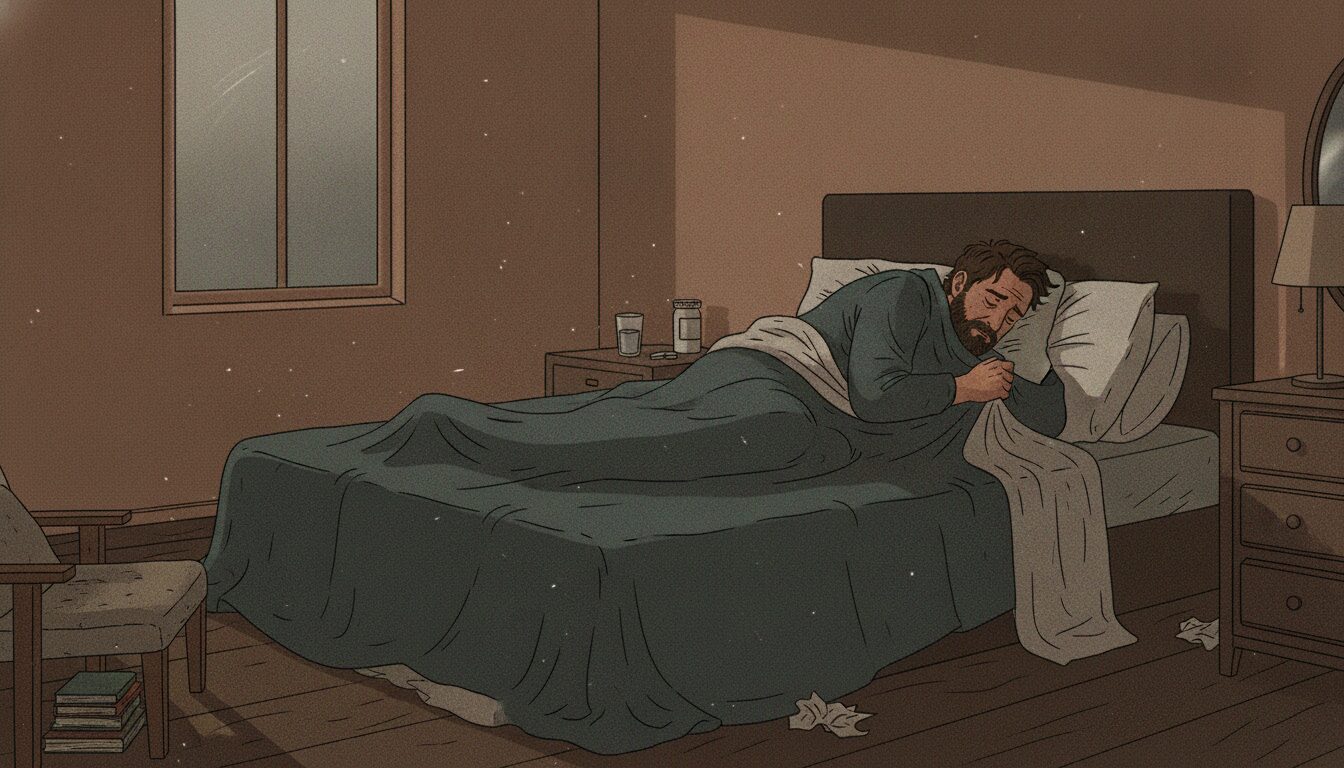
Signs it may be time to consider medication
There’s no single test that tells you “yes, now.” But a few patterns come up again and again in clinical guidance as reasonable reasons to have the conversation with a provider:
- Your symptoms have lasted weeks, not days. Occasional stress or a rough patch is normal; persistent low mood, dread, or exhaustion that doesn’t lift is different.
- Daily life is shrinking. If work, relationships, sleep, or basic self-care are becoming harder to manage, that’s a strong signal, not an overreaction.
- Therapy is helping, but not enough. Many people find that even with consistent effort in therapy, symptoms stay severe enough to block progress. This is often a sign that medication might help therapy work better, not that therapy failed.
- You know the coping skills but can’t access them in the moment. This may look like someone who understands therapy tools, like CBT, and practices them, but still can’t reliably use them when anxiety spikes, because their baseline state is too activated.
- You’re relying on other things to cope. Increasing use of substances, avoidance, or compulsive behaviors to get through the day is often a sign that untreated symptoms are in control.
If several of these sound familiar, that’s worth a conversation with a doctor or psychiatric provider. This isn’t a decision you need to make alone or all at once.
How medication and therapy work together
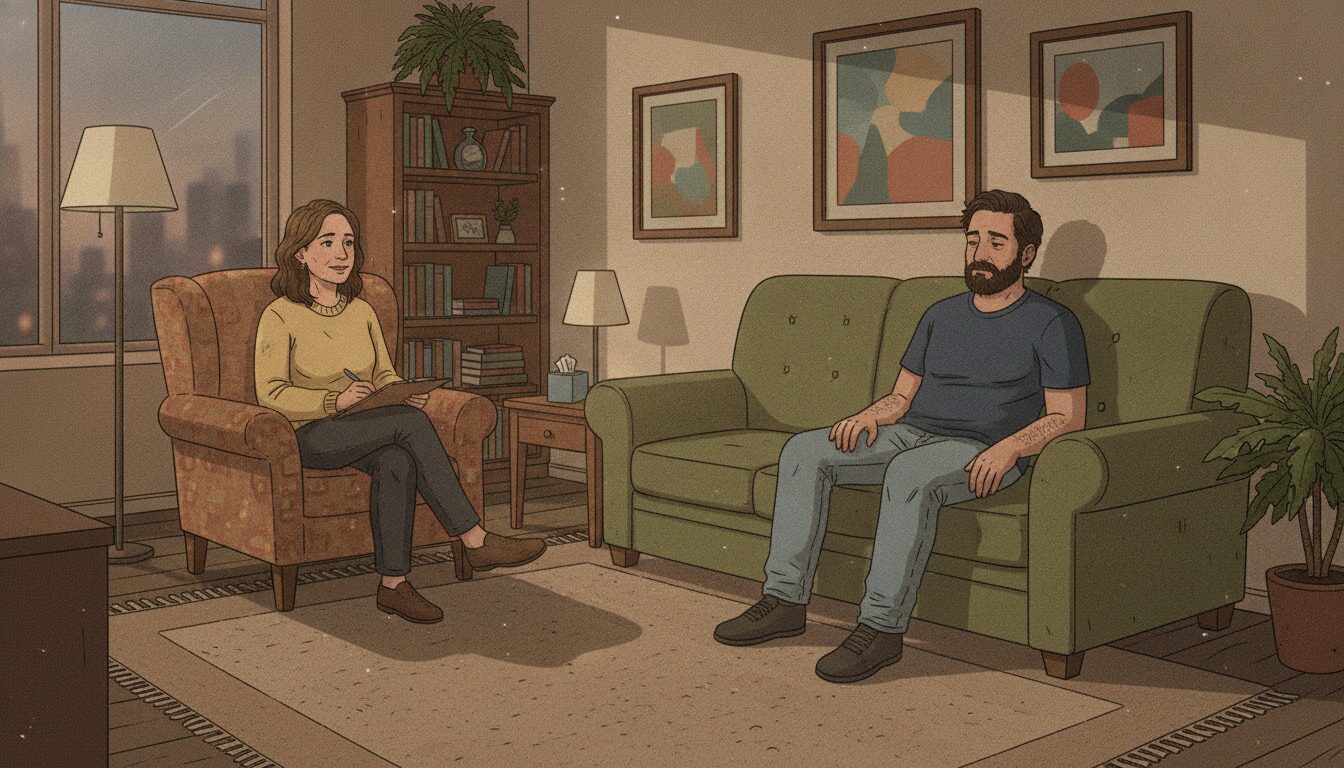
Here’s the part that tends to get lost in the “should I or shouldn’t I” framing: this usually isn’t an either-or choice. As Dr. Bell puts it, “while medication is often viewed as the last resort, studies reveal that the combination of good psychiatric medication support and good therapy support actually provides better emotional stability than either one by themselves.”
This isn’t just a nice idea — it’s one of the more consistently replicated findings in mental health research. A recent clinical review traced this back to early studies that expected medication and therapy to undercut each other, only to find the opposite was true: combined treatment was reliably superior to either approach alone, with lower relapse rates and better long-term functioning. More recent analyses have found that combined treatment produces meaningfully better outcomes across a wide range of conditions — depression, anxiety, OCD, ADHD, and more severe conditions — even though therapy alone can sometimes show large effects on its own.
The reason comes down to what each treatment is actually built to do. Medication works on the biology — the racing thoughts, the flooded nervous system, the inability to sleep or focus — while therapy works on the meaning and the patterns underneath it. Medication works “bottom-up” and therapy works “top-down.” Neither was designed to replace the other; they’re solving different parts of the same problem. In practice, this often looks like medication lowering the intensity of symptoms enough that a person can finally use what they’re learning in therapy — rather than white-knuckling through sessions while still in crisis mode.
Next steps
You don’t have to be at a breaking point to consider starting medication. If your symptoms are persistent, interfering with your life, or making it hard to get traction in therapy, it’s reasonable to talk to a provider about whether medication belongs in your plan — not as a last resort, but as one part of a treatment approach that, for many people, works best as a team.
We’re here to help
If any of the above resonated with you or someone you love, reach out to Athena Care so we can help. You can contact us by filling out this short form or call/text us at +1 877-641-1155 or email [email protected]. You can also take the short, self-assessment quiz below.
Do I need medication?

Dr. William Bell, M.D.
Psychiatrist
Dr. Bell is a Board Certified Psychiatrist whose practice is dedicated to the treatment of children, adolescents and adults with a variety of psychiatric conditions.

Meg Stein, CFP
Editor
Meg is a certified mindfulness instructor and works at Alive and Aware Practice in Durham, NC. She has over ten years of experience as a content creator and marketing consultant, working in mental healthcare and social justice.
Sources:
Athena Care. (2026, March 23). Do I need antidepressants? 5 signs it might be time (includes a quiz). https://www.athenacare.health/do-i-need-antidepressants-5-signs-it-might-be-time-includes-a-quiz/
Behavioral Health News. (2025, September 29). The power of integration: How combining evidence-based and holistic therapies creates lasting mental health recovery. https://behavioralhealthnews.org/the-power-of-integration-how-combining-evidence-based-and-holistic-therapies-creates-lasting-mental-health-recovery/
Careful Counseling. (2026, August 4). Medication for anxiety or depression: When to consider it. https://www.carefulcounseling.com/blog/when-to-consider-medication-anxiety-depression
Insight Therapy & Wellness. (2026, September 3). When to see a psychiatrist: Signs it’s time. https://insighttherapyandwellness.com/when-to-see-a-psychiatrist/
Integrative Psych. (2025, November 14). How therapy with medication improves treatment outcomes: An evidence-based guide. https://www.integrative-psych.org/resources/how-therapy-with-medication-improves-treatment-outcomes-an-evidence-based-guide
Psychiatric Times. (2026, June 28). Combining drug therapy and psychotherapy for depression. https://www.psychiatrictimes.com/view/combining-drug-therapy-and-psychotherapy-depression
Refresh Psychiatry & Therapy. (2026, April 18). 8 signs you need medication for anxiety. https://www.refreshpsychiatry.com/post/signs-you-need-medication-for-anxiety