

Stress is part of life. Deadlines, difficult relationships, financial pressure, health scares — everyone deals with them. Most of the time, we push through. But sometimes, stress stops being manageable and starts taking over. How do you know when you’ve crossed that line? And what should you do about it?
The answer, more often than you might think, is therapy. Here are the signs to look for — and why getting help is one of the best decisions you can make. Athena Care provider, Laurie Chesser, LCSW shares more about the signs to look for and how a therapist can help with stress.
You’ve been feeling off for more than two weeks.
A rough week is normal. A rough month that won’t let up is a different story. If you’ve been feeling sad, anxious, or on edge continuously for more than two weeks, it’s worth paying closer attention. That’s not a personal failing — it’s your mind telling you it needs more support than willpower alone can provide.
Your body is sending signals.
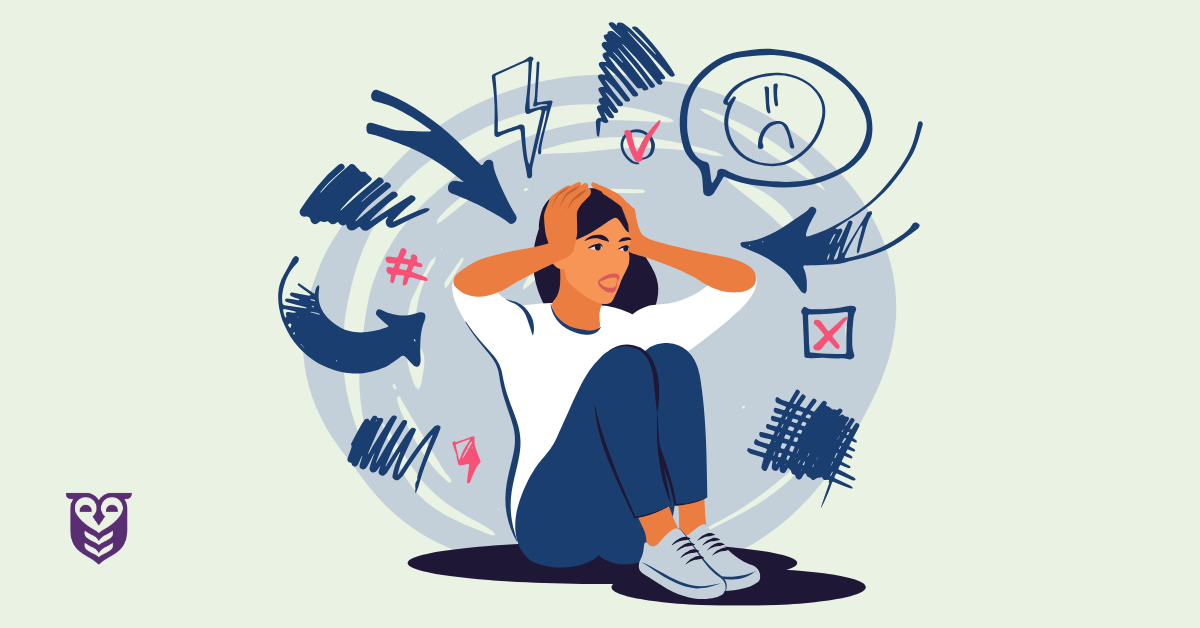
Stress doesn’t stay in your head. People dealing with excessive stress often experience sleep problems, frequent headaches, muscle tension, and high blood pressure, and may find themselves worrying excessively or feeling persistently irritable. Chronic headaches, stomach issues, and muscle tension can be physical signs of mental health challenges like anxiety, depression, or stress. If your doctor hasn’t found a medical cause for what you’re feeling physically, the source may well be emotional.
“A lot of times, body language or facial expressions can be revealing cues that help me, as a therapist, understand what someone is experiencing emotionally or mentally,” says Laurie. “It can help a person to work with a therapist who will be judgement-free and who can help them see some of those cues.”
Your daily life is taking a hit.
When stress starts affecting your performance at work, your relationships, or your ability to handle basic tasks, that’s a meaningful signal. Difficulty concentrating, missed deadlines, increased errors, or conflicts with coworkers can all be signs that stress or mental health concerns are impacting your professional life. It’s a feedback loop: struggling at work creates more stress, which makes it even harder to function.
You’re pulling away from people.
One of the most telling signs that something deeper is going on is social withdrawal. If you’ve recently begun to withdraw from social situations and friends, or are isolating yourself and avoiding things you once enjoyed, this can be a telltale sign that it may be time to think about getting therapy. Isolation tends to make stress and anxiety worse, not better — and a therapist can help you understand what’s driving the pull to disappear.
“If you find yourself isolating—whether at home or whether with friends or family— we need to figure out what the trigger is.” Laurie offers that, “If you notice this happening, then you really need to reach out so that we can figure out what is going on. And it’s important to remember that the more you isolate, the more you want to isolate. Remember that help is available.”
You’re coping in ways that concern you.
Reaching for a drink, overeating, or leaning on other substances to get through the day are signs worth taking seriously. When attempting to handle stress or difficult emotions, many people lean on unhealthy coping strategies like excessive drinking, substance abuse, or overeating — strategies that provide temporary relief but ultimately deepen the problem. A therapist can help you replace those habits with ones that actually work.
You’ve tried to fix it yourself — and it’s not working.
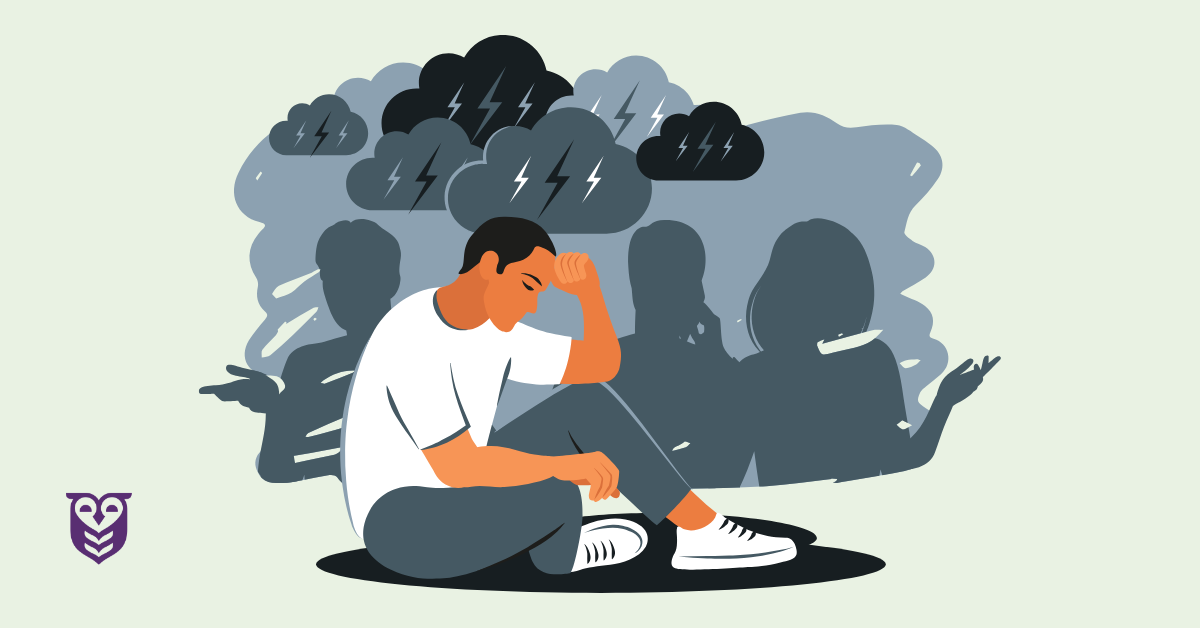
This one matters. If you’ve exercised more, downloaded the meditation apps, read the self-help books, and leaned on friends — and you’re still struggling — that’s important information. Self-help tools can be valuable, but they’re not substitutes for professional mental health support when you need it. There’s no shame in reaching the limit of what you can solve on your own. That’s not weakness; that’s honesty.
“Sometimes people try things on their own, but they actually need help to do the practices effectively.” Laurie offers one example. “A lot of times people will say that they’ve tried breathing or meditation and it hasn’t worked. And then when I work with them I can see that they’re still holding their breath and that they can actually learn to breathe mindfully. I’ve worked with many people who, after learning how to effectively breathe, have noticed significant benefits to their mental health. And then after learning practices like that, I can work with people to notice and reframe their thought patterns to receive more benefits.”
Someone who cares about you has said something.
Sometimes the people around us see what we can’t. When friends, family, or colleagues mention they’re worried about you, it’s worth considering their perspective — they may be seeing changes you haven’t fully recognized. If more than one person in your life has checked in with concern, take it seriously.
Here’s the good news: therapy works.
You don’t have to be in crisis to benefit from it. You don’t need to have a mental health condition or any obvious signs and symptoms to see a therapist — in fact, anyone may benefit from therapy. And when people do engage, the results are real. According to U.S. therapists surveyed by Grow Therapy in 2024, 78% of their patients start to see results after just two to eight sessions. That’s not years of lying on a couch — that’s a few conversations that can genuinely change how you feel.
Laurie shares that, “Skillful therapists will help you feel comfortable and will create a judgement-free space where you can open up and share what is weighing on you.”
Access has also never been better. Teletherapy has emerged as a major option, allowing individuals to connect with therapists from home without commuting to appointments or rearranging their schedules. And the stigma around going? CDC data from 2024 shows that the percentage of U.S. adults receiving counseling or therapy from a mental health professional was higher than the year before — more people are choosing to get help, and that number keeps growing.
The question isn’t whether your stress is “bad enough” to deserve professional support. If you’re reading this article and wondering whether therapy is for you, that curiosity itself might be worth exploring.
You don’t have to wait until things fall apart. You can choose to get better now.
If you or someone you love is would benefit from mental healthcare support, we are here to help. You can contact Athena Care’s clinics (open Monday–Friday, 7am–6pm) to learn more. Remember, help is available; you and your family don’t have to face mental health challenges alone.
To learn more about different options for mental healthcare, you fill out this short contact form, or call/text us at +1 877-641-1155 or email [email protected].
Contact us today
If you or someone you love would benefit from talking to a mental health provider in Tennessee, call or text:
877-641-1155
One of our Care Coordinators will help you get the care you need.

Laurie Chesser, LMSW
Therapist
Laurie worked as a school-based therapist for about two years with an outside agency, provided individual therapy to high school students experiencing depression, anxiety, ADHD, and other diagnoses. She utilized evidence-based modalities with a whole-person approach.

Meg Stein, CFP
Editor
Meg is a certified mindfulness instructor and works at Alive and Aware Practice in Durham, NC. She has over ten years of experience as a content creator and marketing consultant, working in mental healthcare and social justice.
Sources:
Talkspace. (2025, September 16). Do I need therapy? 16 signs to consider. https://www.talkspace.com/blog/do-i-need-therapy/
CNS Healthcare. (2026, April 1). Learn how to tell if you need therapy and how CNS can help. https://www.cnshealthcare.org/feeling-off-lately-here-s-how-to-tell-if-you-need-therapy
Arnold, M. (2025, August 14). Signs you might need to talk to a therapist (and why that’s okay). Renewed Wellness Counseling. https://renewedwellnesscounseling.com/signs-you-might-need-to-talk-to-a-therapist-and-why-thats-okay/
SonderMind. (2025, November 14). How to know if you need therapy: 14 signs you’d benefit. https://www.sondermind.com/resources/articles-and-content/do-i-need-therapy/
Spring Health. (2025, December 17). Do I need therapy? 17 signs to help you decide. https://www.springhealth.com/blog/do-i-need-therapy
Grow Therapy. (2026, February 24). 60 eye-opening mental health statistics for 2025. https://growtherapy.com/blog/mental-health-statistics/
Centers for Disease Control and Prevention. (2026, January 28). Mental health conditions & care. https://www.cdc.gov/mental-health/about-data/conditions-care.html