


“There’s a pattern I see regularly in my practice: a bright, capable young man sitting across from me who can’t explain why he won’t apply for the job, sign up for the class, or have the conversation that needs to happen. He’s not lazy. He’s not indifferent. He’s stuck — paralyzed by a low-grade anxiety he may not even recognize as anxiety, caught in a loop of avoidance that looks, from the outside, like apathy.”
Athena Care therapist, Taylor Kemp, LPC-MHSP Associate shares more about this pattern and that it’s not rare, but rather is an epidemic.
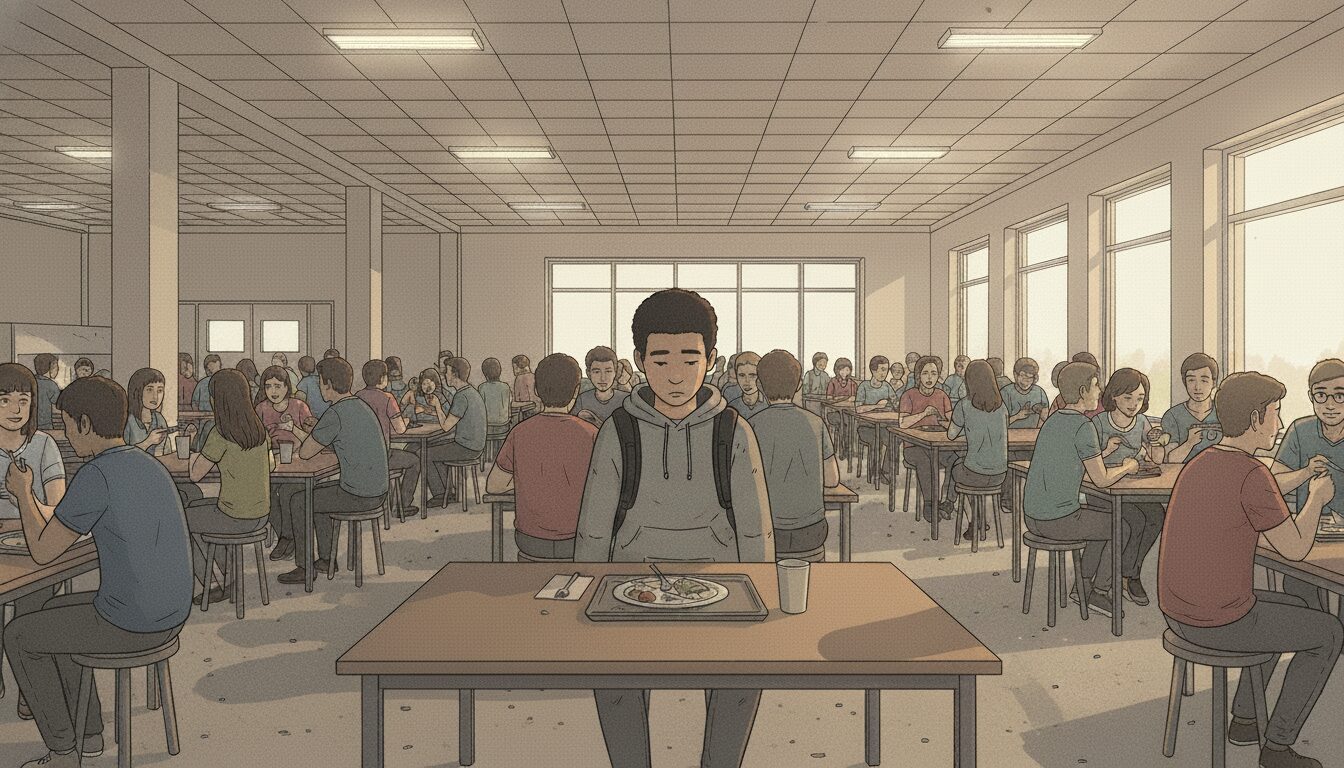
The data confirm what parents, coaches, and counselors are observing firsthand. Two-thirds of men ages 18 to 23 say they feel that “no one really knows me,” and 15% of men now report having no close friendships at all — a fivefold increase since 1990. Today’s ever-increasing reliance on phones and social media exacerbates the isolation and anxiety that many young men feel. A 2025 study confirms that the surge in youth mental health challenges reflects a genuine public health crisis, not simply improved awareness or diagnosis. Young men are struggling, and the silence around that struggle is making it worse.
“We’ve got a generation of young men who are completely surrounded by people and completely unknown,” notes Taylor. “That combination, visible but invisible, is one of the most dangerous places a human being can live.”
Why Boys Go Still Instead of Moving Forward
The instinct to freeze isn’t weakness — it’s biology. When the nervous system perceives threat, it triggers fight, flight, or freeze. For many adolescent boys and young men, a culture that equates masculinity with certainty and stoicism creates enormous internal pressure to look like they have it together — even when they don’t. Young men typically notice their anxiety first as physical symptoms — headaches, nausea, chest tightness, muscle tension — and respond by avoiding the problem rather than addressing it. They flee the feeling, not the situation. Over time, the avoidance compounds.
This anxiety-driven risk aversion has a measurable cost. Appropriate risk-taking — applying for the stretch opportunity, introducing yourself to new people, attempting something you might fail at — is how confidence gets built. It is the mechanism of growth. When anxiety convinces a young man that the risk isn’t worth taking, he doesn’t just miss the opportunity. He misses the evidence that he’s capable. That missing evidence becomes the story he tells himself about who he is.
“Confidence isn’t something you find,” says Taylor. “It’s something you build, one uncomfortable action at a time. You don’t feel ready and then act, you act, and readiness follows. Most of these guys are waiting to feel ready, and it’s costing them years.”
For many young men, anxiety and avoidance are connected to harder-to-access feelings of shame. Taylor highlights this distinction, “the deeper driver for a lot of these guys is shame so not just ‘I’m scared to fail,’ but ‘if I fail, I’m a failure as a man.’”
Add to this the academic pressure — 45% of young people ages 10 to 24 report struggling with their mental health over the past two years — and it becomes clear why so many young men default to inaction. When everything feels high-stakes and failure feels catastrophic, doing nothing feels safe.
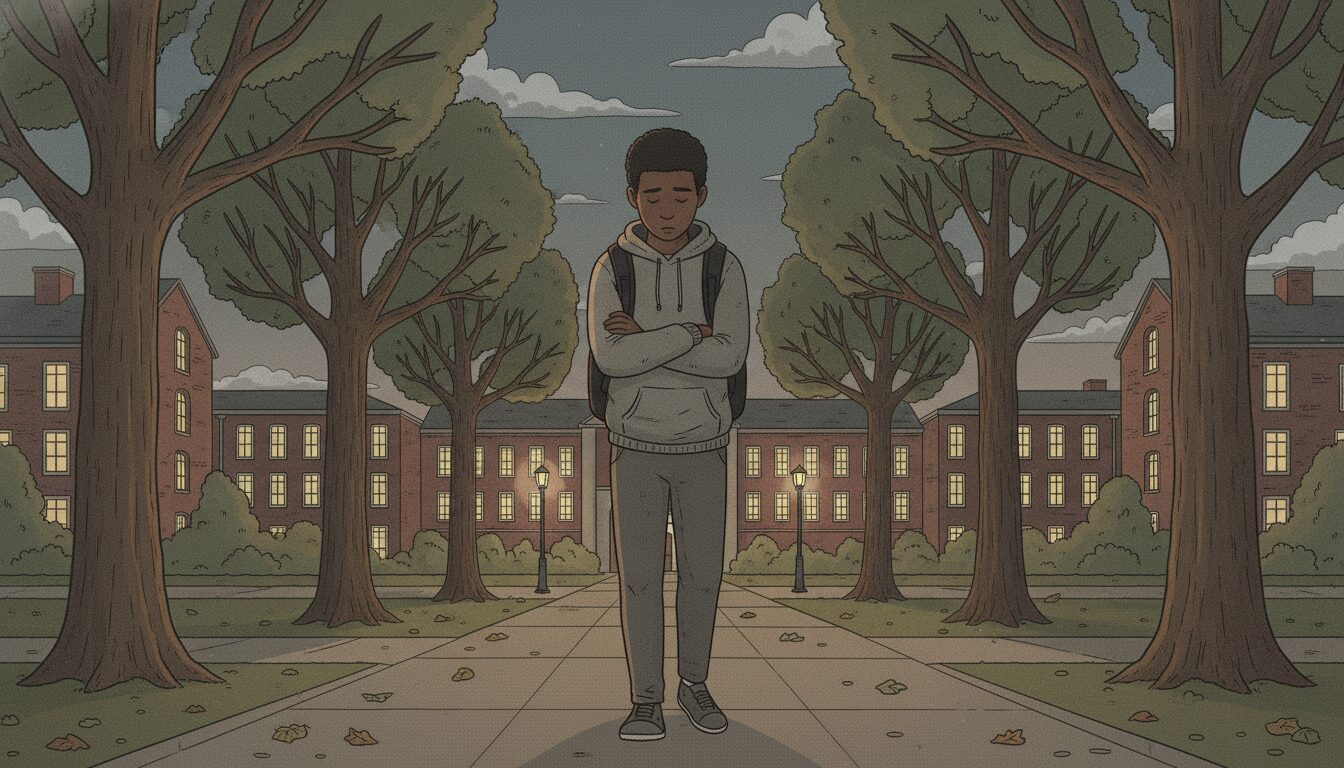
What Anxiety Looks Like in the Body
Here’s something critically important: anxiety in young men rarely looks like worry. It looks like irritability, chronic fatigue, gut problems, or withdrawal. Specifically, watch for:
- Persistent headaches or migraines with no clear medical cause
- Muscle tension, particularly in the neck, jaw, and shoulders
- Chest tightness or racing heart, especially in social situations or before commitments
- Nausea or stomach problems that intensify around school, work, or social events
- Sleep disruption — either insomnia or excessive sleep as withdrawal
- Avoidance behaviors — canceling plans, procrastinating indefinitely, declining to try
- Irritability or emotional flatness where there was once engagement
These are not character flaws. They are signals from a nervous system that needs support. Anxiety disorders commonly begin in adolescence, are under-diagnosed in males, and carry serious long-term consequences when left unaddressed.
From Apathy to Action: Practical Steps That Work
The good news — and there genuinely is good news — is that motivation and appropriate risk tolerance are skills that can be rebuilt. 83% of young people remain optimistic about their futures. That optimism is a resource. Here’s how to put it to work:
Start embarrassingly small. Anxiety thrives on the gap between where you are and where you think you should be. Collapse that gap. Don’t aim to overhaul your life — aim to do one uncomfortable thing today. Send the email. Go to one event. Make one phone call. The point is to accumulate evidence that action is survivable.
Name the avoidance. Ask yourself honestly: “Am I not doing this because I genuinely don’t want to, or because I’m afraid of what happens if I try?” These are very different problems requiring very different responses. Apathy and anxiety can look identical from the outside but require different solutions.
Use your body to reset your brain. Physical activity is one of the most evidence-supported interventions for anxiety and low motivation. A 2024 PMC review on adolescent anxiety factors underscored the importance of physical health habits — regular exercise, stable sleep, and nutritious eating — as meaningful protective factors. A 20-minute walk genuinely changes neurochemistry. This is not a platitude; it is physiology.
Practice graduated exposure. This is the core mechanism behind cognitive behavioral therapy: do the things that make you anxious, in progressive steps, until they no longer do. If speaking up in class is terrifying, start by asking one question in office hours. Build the habit of acting despite discomfort, because that’s the only way the discomfort decreases.
Build connection deliberately. Isolation and anxiety are mutually reinforcing. The research on young men’s loneliness is striking: connection doesn’t just feel better, it builds resilience. Pursue one relationship — a mentor, a study partner, a teammate — with intentionality. Invest in it. The payoff is neurological as much as social.
Get help without framing it as crisis. One of the biggest barriers young men face in seeking mental health support is the belief that they have to be falling apart to deserve help. You don’t. Therapy, campus counseling, and peer support groups are tools for performance and growth, not just damage control.
“The reason young men don’t ask for help isn’t stubbornness,” says Taylor. “It’s shame. They’ve been taught that needing support means something went catastrophically wrong with them as a man. It doesn’t. It means they’re paying attention.”
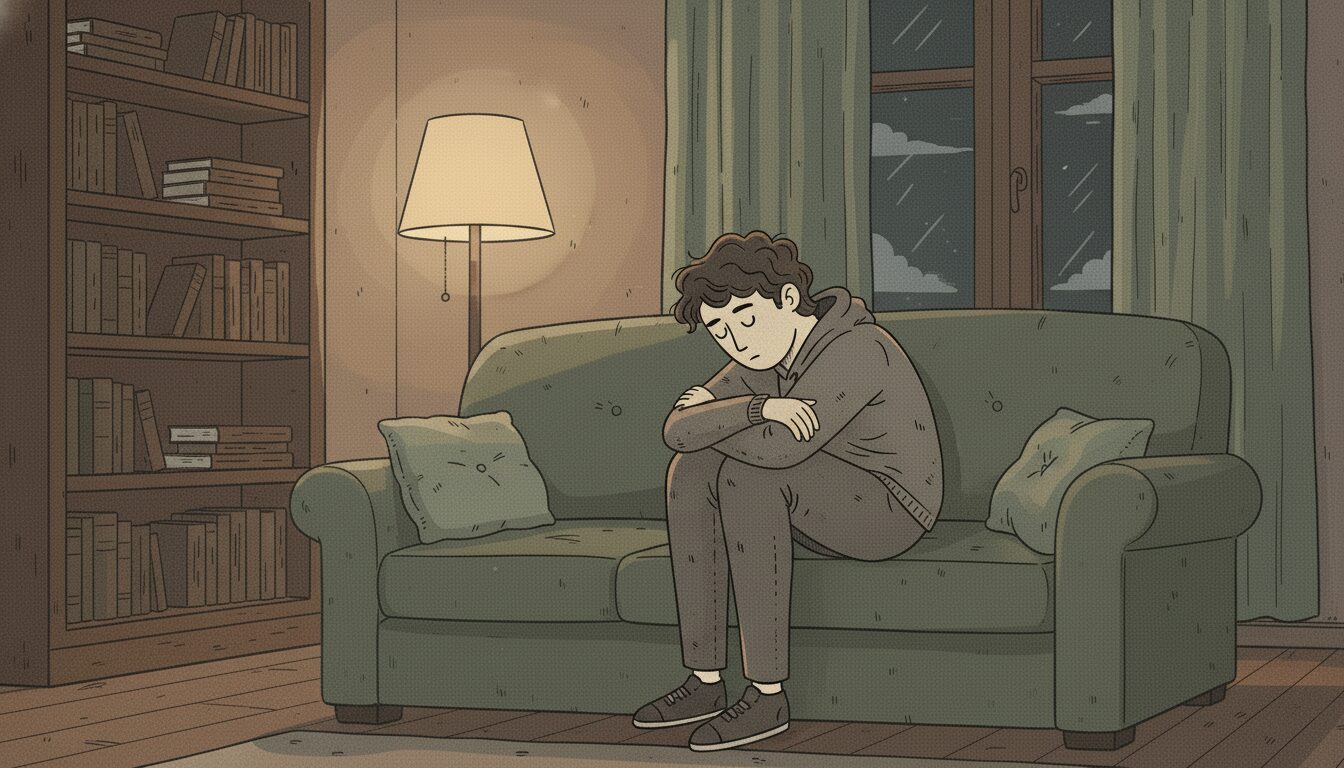
A Word to the Adults in the Room
If you’re a parent, coach, or educator reading this: your job isn’t to remove the risk. It’s to help a young man tolerate it. Protecting boys from failure protects them from growth. Express confidence in their capacity to handle hard things — and mean it. Notice and name the physical signs described above. Ask direct questions. Fears of not being understood are among the top barriers to young people seeking help. Be the person who understands first.
“What looks like ‘I don’t care’ is almost always ‘I’m terrified and I don’t know what to do with that.’ says Taylor. “These guys aren’t broken. Their nervous system is doing exactly what it was designed to do. The problem is nobody’s helped them understand what it’s trying to tell them.”
The young man who looks like he doesn’t care usually cares deeply. He’s just learned to protect himself by pretending otherwise. The path forward isn’t through pressure or shame — it’s through building the small, accumulating evidence that he can handle what life puts in front of him.
That evidence is there. It just needs to be earned, one uncomfortable step at a time.
If any of the above resonated with you or someone you love, reach out to Athena Care so we can help. You can contact us by filling out this short form or call/text us at +1 877-641-1155 or email [email protected].
Contact us today

Taylor Kemp, LPC-MHSP
Therapist
As a clinician, Taylor practices as a generalist, with a primary focus from a Person-Centered and Cognitive Behavioral approach. He has received training in Cognitive Behavioral therapy, Cognitive Processing Therapy, and in the treatment of compulsive sexual behaviors. He is passionate about helping others walk through grief, depression, anxiety, trauma, addiction, and stage of life issues. Taylor works with adolescents age 12+, teens, and adults.

Meg Stein, CFP
Editor
Meg is a certified mindfulness instructor and works at Alive and Aware Practice in Durham, NC. She has over ten years of experience as a content creator and marketing consultant, working in mental healthcare and social justice.
Sources:Equimundo. State of American Men 2023. https://www.equimundo.org/resources/state-of-american-men/
Gao, C.X. et al. (2025). “The youth mental health crisis: analysis and solutions.” Frontiers in Psychiatry, 15. https://doi.org/10.3389/fpsyt.2024.1517533
Fisher, C. et al. (2023). “Young men and anxiety: Resisting, reckoning and responding.” Sociology of Health & Illness. https://doi.org/10.1111/1467-9566.13641
Surgo Health. (2024). Youth Mental Health Tracker (YMHT). As summarized by The Jed Foundation: https://jedfoundation.org/what-to-expect-in-2025-new-years-trends-in-youth-mental-health/
Poon, J.K., Benevides, T.W., & Emrick, B.B. (2025). “Trends in Adolescent Mental and Behavioral Health: Opportunities to Optimize Care.” Pediatrics, 155(4). https://doi.org/10.1542/peds.2024-070122
World Health Organization. (2025). Anxiety Disorders Fact Sheet. https://www.who.int/news-room/fact-sheets/detail/anxiety-disorders
Carper, M.M. et al. (2025, published online). “Anxiety and depression in emerging adults: The STAND program.” Neuropsychopharmacology. https://doi.org/10.1038/s41386-025-02174-4